

DIY Mold Risks in West Melbourne: What Homeowners in Brevard County Should Know
DIY mold cleanup is tempting for many homeowners in West Melbourne. A dark spot appears on a wall or ceiling, a musty smell lingers, and the instinct is to grab bleach or a store-bought spray and make it disappear. In Brevard County’s humid climate, however, DIY mold work often causes bigger problems than it solves.
Mold in Florida homes is almost always tied to moisture that isn’t fully understood or controlled. When homeowners try to handle mold without addressing that moisture — or without proper containment — they can unintentionally spread mold, worsen hidden damage, and delay real solutions. Knowing the risks of DIY mold work helps homeowners make smarter, calmer decisions.
Why DIY Mold Cleanup Is So Common
Most mold problems don’t start out looking serious. A little discoloration near a vent, some spotting in a bathroom, or a faint odor doesn’t feel like a professional-level issue.
In West Melbourne, mold can appear quickly due to high humidity, storms, and constant air conditioning. Because mold growth is common here, homeowners often assume it’s something they’re expected to handle themselves.
Unfortunately, Florida mold rarely stays surface-level.
What DIY Mold Cleanup Usually Involves
Most DIY attempts rely on bleach, vinegar, or general disinfectants. Homeowners scrub visible mold off drywall, ceilings, grout, or wood and feel relieved when the stain fades.
What’s often missed is that these methods only affect what’s visible. Mold roots can remain embedded in porous materials, and moisture conditions usually haven’t changed at all.
From the outside, the problem looks solved. Inside the material, it’s still active.
Why Bleach Is a Major Problem on Mold
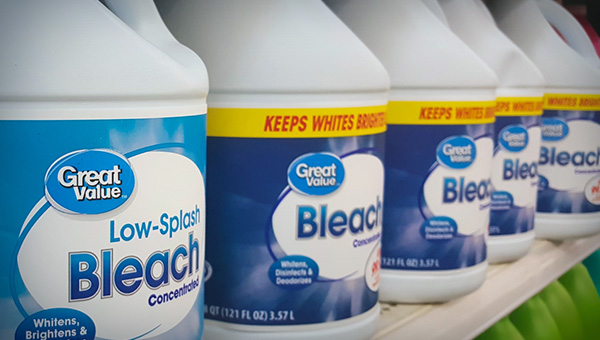
Bleach is one of the most commonly misused products for mold cleanup.
Bleach does not penetrate porous materials like drywall, wood framing, insulation, or grout backing. It removes surface discoloration while leaving mold growth beneath the surface untouched.
Worse, bleach contains water. When applied to porous materials, that moisture can soak in and actually feed mold growth below the surface. This is why mold often comes back darker and more widespread after DIY cleaning.
In humid West Melbourne homes, this rebound can happen quickly.
How DIY Mold Cleanup Spreads Spores
One of the biggest risks of DIY mold work is spore spread.
Scrubbing, brushing, or spraying mold releases microscopic spores into the air. Without containment, those spores travel easily through the home.
In houses with central air, spores are often pulled into the HVAC system and redistributed to other rooms. A small mold spot in one area can quietly turn into multiple problem areas throughout the home.
Many homeowners don’t realize this has happened until mold starts appearing in new places.
Hidden Mold Is Rarely Addressed
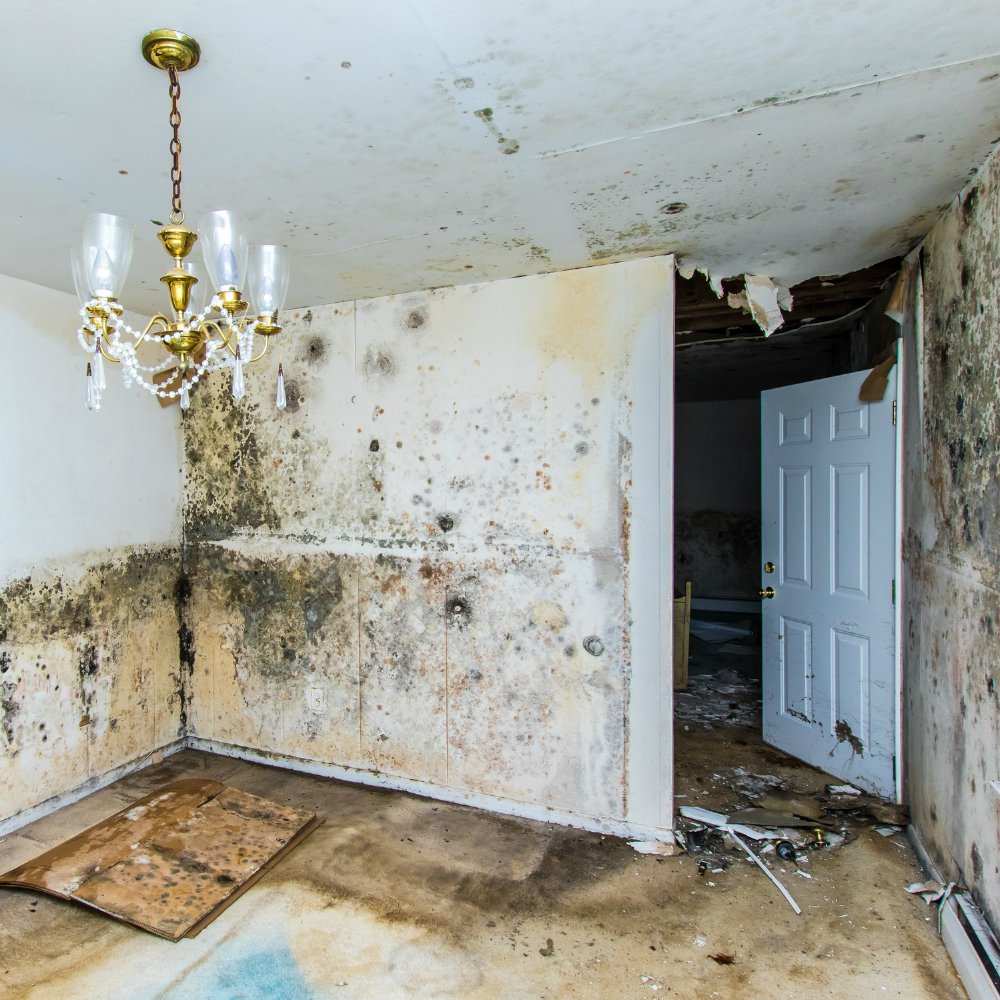
DIY cleanup focuses on what can be seen. In Florida homes, that’s often the smallest part of the problem.
Mold commonly grows:
- Behind drywall
- Under flooring
- Inside wall cavities
- In attics
- Inside HVAC systems
When visible mold appears, it’s often just the surface symptom of a larger moisture issue. Cleaning what you see does nothing to stop mold growing out of sight.
This is one of the main reasons DIY mold efforts fail.
Why DIY Mold Work Can Increase Repair Costs
Many homeowners believe DIY cleanup saves money. In reality, it often increases long-term costs.
By spreading spores or adding moisture, DIY efforts can expand the affected area. What might have been limited to one section of drywall can spread into insulation, framing, or HVAC components.
Delayed professional assessment also allows mold to grow deeper into materials, increasing the amount that eventually needs removal or repair.
In West Melbourne’s climate, time works against DIY solutions.
DIY Mold and HVAC Systems Don’t Mix
HVAC systems are especially vulnerable during DIY mold cleanup.
If mold is near vents, returns, or air handlers, cleaning without containment can push spores directly into the system. Once inside, mold and moisture can affect ductwork, insulation, and internal components.
This often explains why homes smell musty when the AC runs or why mold appears in multiple rooms after a DIY attempt.
HVAC-related mold problems are rarely obvious at first, but they can affect the entire home.
When DIY Mold Cleanup Can Be Especially Risky
DIY mold work is particularly risky after:
- Water damage or leaks
- Storms or hurricanes
- AC drain backups
- Plumbing issues
- Power outages that raised indoor humidity
In these situations, moisture is often still present even if surfaces look dry. Cleaning without confirming drying allows mold to continue growing beneath the surface.
These are the scenarios where professional evaluation makes the biggest difference.
Why Mold Keeps Returning After DIY Cleanup
Homeowners often feel frustrated when mold comes back after repeated cleaning. The reason is simple: the cause was never addressed.
Mold returns when:
- Moisture is still present
- Humidity remains high
- Ventilation is inadequate
- Leaks or condensation continue
DIY cleaning doesn’t change any of these conditions. Until moisture is controlled, mold growth will continue.
The Role of Professional Mold Inspection
A professional mold inspection focuses on understanding moisture behavior, not just visible mold.
Inspections evaluate:
- Walls, ceilings, and floors
- Bathrooms and kitchens
- Attics and crawl spaces
- HVAC systems and drain components
- Areas with past water damage
Moisture meters and thermal imaging tools help locate damp materials behind surfaces. This allows problems to be identified early, before they spread further.
A clear inspection prevents guesswork and unnecessary work.
How Professional Mold Remediation Differs From DIY Cleanup
Professional mold remediation uses containment to prevent spore spread and focuses on both removal and moisture correction.
Mold-affected materials are evaluated carefully. Some can be cleaned and saved, while others must be removed when contamination is deep.
Just as important, the moisture source is corrected so mold doesn’t return. This prevention-focused approach is what DIY methods lack.
Brevard Mold Inspections & Removal approaches mold issues with long-term stability in mind, not cosmetic fixes.
When Mold Should Never Be a DIY Project
DIY mold cleanup should be avoided when:
- Mold covers a large area
- Mold keeps returning
- There was recent water damage
- Mold is near HVAC systems
- Odors persist despite cleaning
In these cases, DIY efforts usually make the problem harder to fix later.
Preventing Mold Without DIY Risks
Prevention doesn’t require harsh chemicals or scrubbing.
Using exhaust fans, maintaining HVAC systems, repairing leaks promptly, and monitoring indoor humidity reduce mold risk far more effectively than repeated cleaning.
After storms or leaks, checking attics, walls, and HVAC components helps catch moisture before mold develops.
Prevention focuses on moisture, not mold stains.
Why Local Experience in Brevard County Matters
Mold behaves differently in Florida than in dry climates. West Melbourne homes face high humidity, storms, slab foundations, and long cooling seasons.
Local experience means understanding where DIY efforts usually fail and which solutions actually hold up in this environment.
Generic advice often ignores these regional realities.
A Calm, Practical Takeaway
DIY mold cleanup in West Melbourne often feels like the fastest solution, but it rarely addresses the real problem. Mold is almost always a moisture issue first, not a cleaning issue.
When mold keeps returning, spreads, or appears after water damage, it’s a sign that deeper conditions need attention. Early professional evaluation can prevent small issues from becoming widespread damage.
Homeowners across Brevard County benefit from understanding the risks of DIY mold work. Brevard Mold Inspections & Removal helps homeowners identify mold correctly, address moisture issues, and avoid the costly mistakes that often come with do-it-yourself cleanup.
Handled properly, mold becomes a manageable building issue — not a recurring frustration caused by well-intended but risky DIY efforts.