
Humidity and Mold in Palm Bay: What Homeowners in Brevard County Should Know
Humidity is one of the biggest drivers of mold problems in Palm Bay homes. Many homeowners look for obvious leaks or flooding when mold appears, but in Brevard County, mold often develops without a single dramatic water event. Instead, it grows slowly as moisture in the air builds up and never fully leaves the home.
Palm Bay’s climate makes this especially challenging. High outdoor humidity, frequent rain, summer storms, and year-round air conditioning all work together to keep moisture levels elevated indoors. When humidity stays high, mold doesn’t need much encouragement to grow.
Why Humidity Is a Serious Issue in Palm Bay Homes
Palm Bay experiences high humidity most of the year, even on days when the weather feels clear and dry. Moisture in the air doesn’t disappear overnight, especially in tightly built Florida homes.
At night and during stormy periods, humidity often rises even higher. Homes cool down, surfaces become slightly cooler, and moisture in the air condenses on walls, ceilings, vents, and inside building materials.
Over time, this repeated exposure creates the perfect environment for mold to develop quietly, without leaks or visible water damage.
How High Humidity Leads to Mold Growth
Mold spores are always present in the air. They only become a problem when moisture allows them to settle and grow.
When indoor humidity stays elevated, moisture collects on cooler surfaces. Drywall, wood, insulation, dust, and fabrics absorb that moisture and remain damp longer than they should.
In Palm Bay homes, mold often develops simply because materials never fully dry. Humidity alone can be enough to start the process.
Common Areas Affected by Humidity-Related Mold
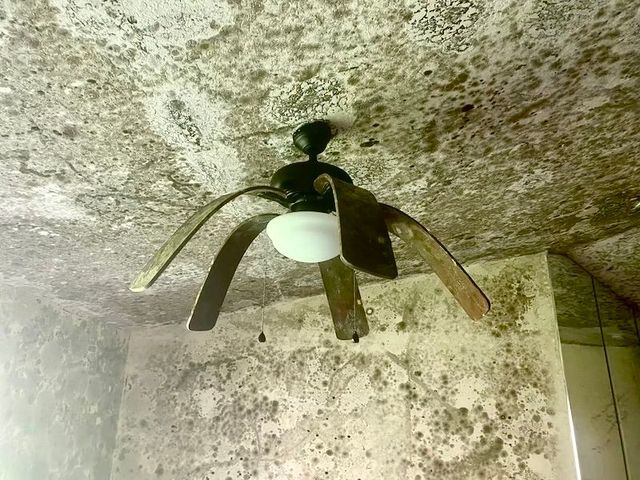
Bathrooms are one of the first areas to show signs of humidity-related mold. Steam from showers raises moisture levels quickly, and without strong ventilation, that moisture settles on ceilings and inside walls.
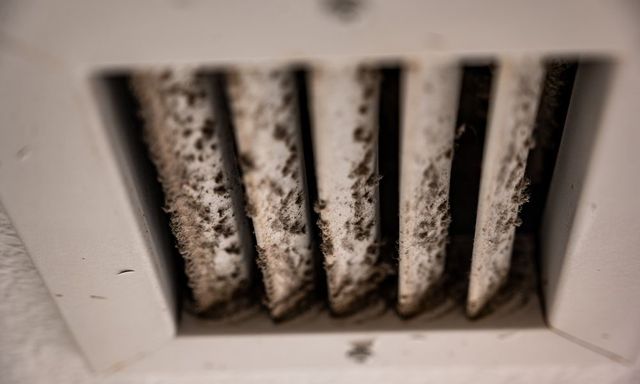
HVAC systems are another major area of concern. Condensation forms naturally inside air handlers, drain pans, coils, and ductwork. When humidity is high or drainage is poor, moisture stays in the system and supports mold growth.
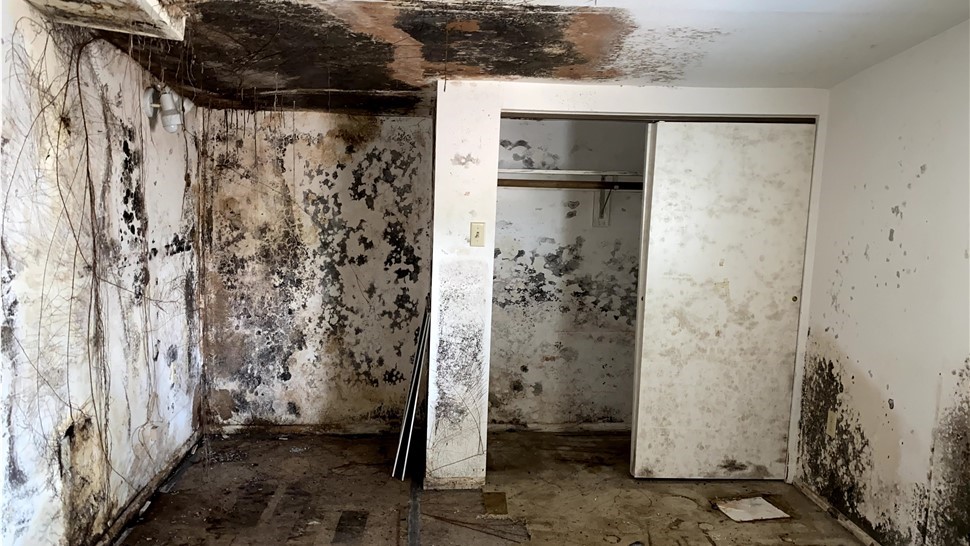
Closets, especially those on exterior walls, often trap humid air with little airflow. These spaces dry slowly and commonly develop mold without obvious warning signs.
Attics are also vulnerable. Warm, humid air enters through vents and small openings, then condenses on roof decking and framing.
Signs Humidity May Be Causing Mold
Musty or damp odors are one of the earliest indicators. These smells often come and go and may be stronger when the air conditioning turns on.
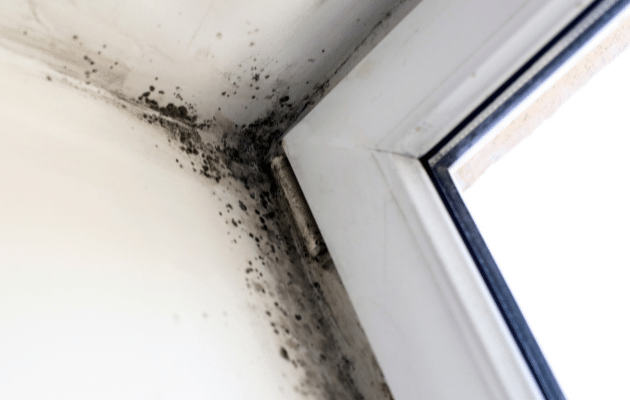
Homeowners may notice condensation on windows, air vents, or ceilings. Paint may peel or bubble, and drywall may feel slightly soft in certain areas.
Rooms that feel sticky or uncomfortable even when the thermostat is set low often indicate excess indoor humidity rather than an AC cooling issue.
Why Humidity-Driven Mold Is Often Missed
Because there’s no obvious water source, humidity-related mold is easy to overlook. Homeowners may assume odors are normal for Florida or blame surface mildew.
In reality, mold is often growing behind walls, above ceilings, or inside HVAC systems. By the time visible mold appears, humidity has usually been affecting the home for a long time.
In Palm Bay, this is one of the most common reasons mold problems seem to appear without warning.
The Role of Air Conditioning in Humidity Control
Air conditioning plays a major role in humidity control, but it doesn’t always do enough on its own.
Oversized AC systems cool the home quickly but shut off before removing sufficient moisture. Dirty coils, clogged drain lines, or restricted airflow also reduce the system’s ability to dehumidify.
Ductwork running through hot or humid spaces can sweat, adding moisture back into the home. In Palm Bay homes, AC systems are sometimes part of the humidity problem rather than the solution.
Why Cleaning Mold Doesn’t Fix Humidity Problems
Surface cleaning removes visible mold but does nothing to change indoor humidity levels. As long as humidity stays high, mold is likely to return.
Bleach and household cleaners don’t penetrate porous materials and often add moisture, feeding mold growth beneath the surface.
Without controlling moisture in the air, cleaning becomes a cycle of temporary improvement followed by repeated frustration.
Professional Mold Inspection for Humidity Issues
A professional mold inspection focuses on moisture patterns throughout the home, not just visible mold.
Inspectors look for condensation, poor ventilation, HVAC moisture issues, and hidden damp materials. Moisture meters and thermal imaging help locate moisture behind walls and ceilings.
HVAC systems, attics, bathrooms, and closets receive special attention because these areas are most affected by humidity. When appropriate, air or surface sampling may support findings.
The goal is clarity about what’s happening inside the home and why.
Proper Mold Remediation When Humidity Is the Cause
When mold is driven by humidity, remediation must address both the mold and the moisture conditions.
Mold-affected materials may need cleaning or removal depending on severity. Just as important, steps must be taken to stabilize indoor humidity.
This may include improving ventilation, correcting HVAC performance issues, sealing air leaks, or recommending moisture-control strategies suited to Palm Bay’s climate.
Brevard Mold Inspections & Removal approaches humidity-related mold with a prevention-focused mindset rather than short-term fixes.
How to Prevent Humidity-Related Mold Going Forward
Consistent ventilation is critical. Bathroom and kitchen exhaust fans should be used regularly and vented outdoors.
HVAC systems should be maintained to ensure proper drainage, airflow, and humidity removal. Filters should be changed regularly, and drain lines kept clear.
Keeping air moving inside the home helps prevent stagnant, humid pockets. Monitoring indoor humidity provides early warning before mold develops.
After storms or extended humid periods, attics and HVAC areas should be checked for moisture.
Why Local Experience in Brevard County Matters
Humidity behaves differently in coastal Florida than in other regions. Palm Bay homes face constant moisture pressure from the environment.
Local experience means understanding how slab foundations, storms, salt air, and long cooling seasons affect indoor humidity and mold growth.
Professionals familiar with Brevard County conditions know how to identify humidity-related risks early and recommend solutions that actually work long-term.
A Practical Takeaway for Homeowners
Humidity control is the foundation of mold prevention in Palm Bay. Mold problems rarely appear overnight; they develop as moisture builds up over time.
If your home feels damp, smells musty, or has recurring mold despite cleaning, humidity is likely part of the issue. Addressing moisture early prevents larger problems later.
Homeowners throughout Brevard County benefit from understanding how humidity affects their homes. Brevard Mold Inspections & Removal helps homeowners identify humidity-related mold risks and take practical steps to protect their homes.
In Florida, managing humidity isn’t optional. It’s one of the most important parts of keeping mold out of your home.