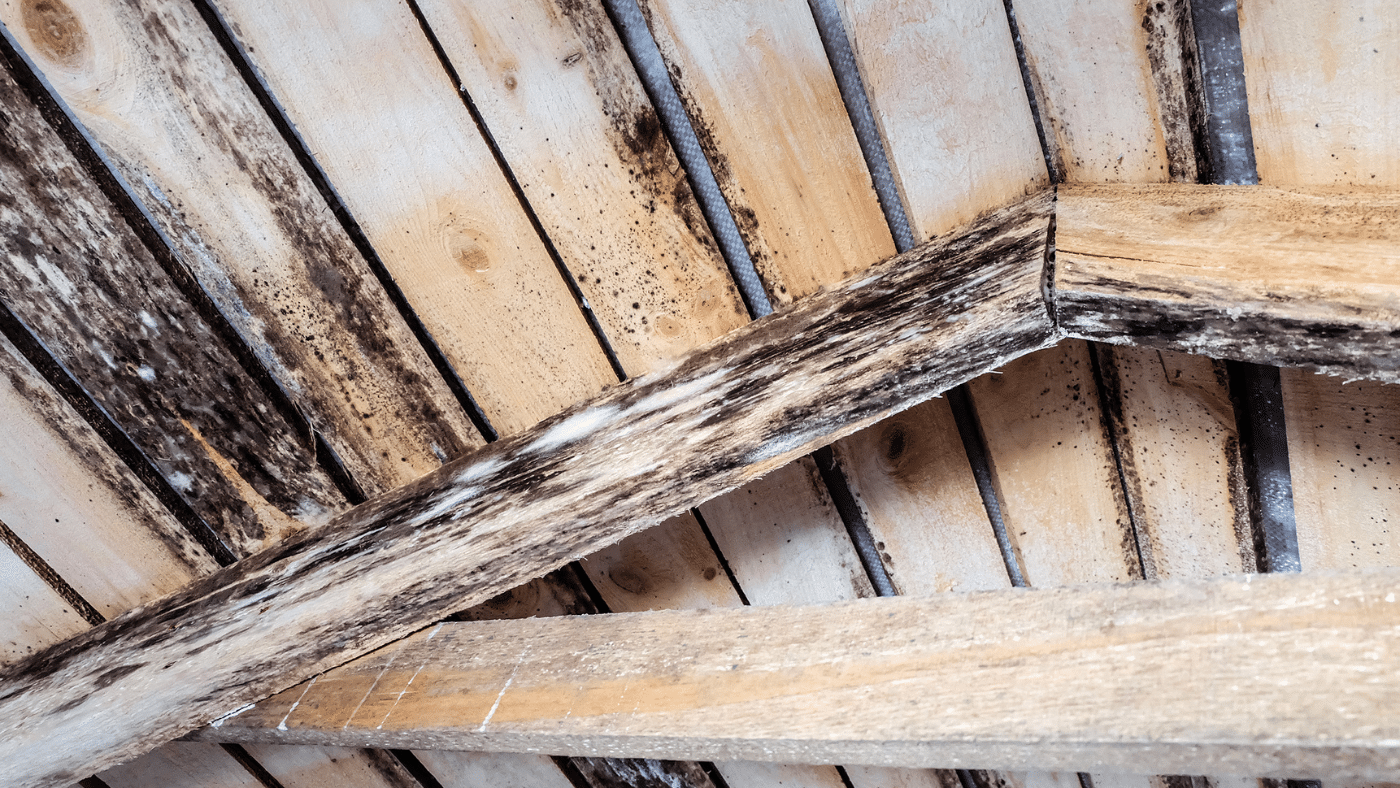
Toxic Mold in Titusville: What Homeowners in Brevard County Should Know
In Titusville, the phrase “toxic mold” often causes immediate concern—and understandably so. Homeowners may notice dark growth on walls, persistent musty odors, or moisture problems that don’t seem to resolve and worry that something dangerous is happening inside the home. In Brevard County’s humid environment, mold is common, but the word “toxic” is frequently misunderstood.
What matters most isn’t a label—it’s why mold is present, how long moisture has been there, and whether conditions are allowing growth to continue. Understanding what people mean by toxic mold, why it appears in Titusville homes, and how it should be addressed calmly and correctly helps homeowners take the right next steps without unnecessary fear.
What People Mean When They Say “Toxic Mold”
“Toxic mold” is not a technical category used in inspections or remediation. It’s a general term people use when they’re worried about mold’s potential effects or when growth looks dark, widespread, or persistent.
More important than the term itself are:
- The moisture source feeding the mold
- How long growth has been active
- Whether mold is visible or hidden
- Where it’s growing (living space, HVAC, attic, walls)
In Florida homes, prolonged moisture is the real issue—mold follows wherever moisture remains.
Why Mold Concerns Are Common in Titusville
Titusville’s location near the Indian River Lagoon and its inland-coastal climate create steady humidity, frequent rain, and long cooling seasons. These conditions allow moisture to linger inside homes even without obvious leaks.
Local factors that increase mold risk include:
- High year-round humidity
- Summer storms and heavy rainfall
- Slab foundations common in the area
- AC systems running most of the year
- Condensation around vents and ductwork
- Homes closed up during travel or vacancies
Over time, these factors can support mold growth if moisture isn’t managed.
How Mold Develops Before It Becomes a Concern
Mold rarely appears suddenly. In most Titusville homes, it develops quietly as moisture accumulates behind finished surfaces.
A typical progression looks like this:
- Moisture enters from humidity, condensation, or a small leak
- Surfaces appear dry, but materials remain damp internally
- Mold grows out of sight for weeks or months
- Odors, discoloration, or visible growth finally appear
By the time homeowners worry about “toxic mold,” the underlying moisture problem has often been present for a while.
Common Areas Where Mold Raises Concern
Mold that alarms homeowners is usually found in places where moisture lingers and airflow is limited.
High-risk areas include:
- Bathrooms and bathroom ceilings
- Behind drywall near plumbing
- Beneath laminate or vinyl flooring
- Around HVAC air handlers and vents
- Attics after roof or storm-related leaks
- Closets and storage areas on exterior walls
Visible mold often represents only part of what’s happening.
Hidden Mold and Why It Matters
One of the biggest reasons mold becomes a concern is hidden growth. Hidden mold can exist even when surfaces look clean.
Hidden mold commonly develops:
- Behind walls exposed to humidity or leaks
- Under flooring on slab foundations
- Inside wall cavities near bathrooms or kitchens
- In attic insulation
- Inside HVAC components
Hidden growth often explains musty odors or recurring mold even after cleaning.
Bathrooms and Mold Concerns
Bathrooms are a frequent starting point for mold concerns in Titusville homes.
Common causes include:
- Steam not being vented effectively
- Exhaust fans that are undersized or unused
- Fans venting into attics instead of outdoors
- Moisture trapped behind ceilings and walls
Bathroom mold usually indicates a ventilation issue, not poor housekeeping.
HVAC Systems and Mold Spread
HVAC systems play a major role in mold-related concerns.
Mold may develop:
- Inside air handlers
- On evaporator coils
- In drain pans with standing water
- Around vents where condensation forms
Because HVAC systems circulate air, mold here can affect multiple rooms at once.
Attics and Mold After Storms
Attics are one of the most overlooked areas when it comes to mold.
In Titusville, attic mold often follows:
- Wind-driven rain entering roof gaps
- Damaged flashing or vents
- Bathroom fans exhausting moist air into the attic
- Insulation that dries very slowly
Attic mold can spread extensively before it’s discovered.
Why DIY Cleanup Doesn’t Resolve the Problem
DIY mold cleanup often focuses on making growth less visible—but not less active.
DIY approaches fail because:
- Bleach doesn’t penetrate porous materials
- Mold roots remain embedded in drywall and wood
- Scrubbing releases spores
- Moisture sources remain unchanged
- Hidden mold continues growing
In a humid climate, mold returns as long as moisture is present.
The Importance of a Professional Mold Inspection
A professional mold inspection focuses on conditions, not labels.
An inspection may include:
- Moisture readings in walls and floors
- Attic inspections for roof-related moisture
- HVAC system evaluation
- Identification of hidden mold areas
- Clear explanation of what’s causing growth
This helps determine whether remediation is needed and where to focus efforts.
Brevard Mold Inspections & Removal works with Titusville homeowners to evaluate mold concerns calmly and accurately, focusing on moisture sources and practical solutions rather than alarm.
Mold Testing and “Toxic” Mold Concerns
Mold testing isn’t always necessary, but it can help in certain situations.
Testing may be useful when:
- Mold is suspected but not visible
- Odors persist without a clear source
- HVAC involvement is suspected
- Confirmation is needed after remediation
Testing is most effective when guided by inspection findings.
Proper Remediation for Serious Mold Growth
When remediation is necessary, it focuses on removal and prevention, not appearance.
Proper remediation may include:
- Containment to prevent spore spread
- Removal of contaminated porous materials
- Cleaning remaining surfaces appropriately
- Correcting moisture sources
- Thorough drying and humidity control
Without moisture correction, mold problems continue regardless of type or color.
Preventing Mold Problems in Titusville Homes
Prevention centers on consistent moisture control.
Helpful prevention steps include:
- Using bathroom exhaust fans properly
- Maintaining HVAC systems and drain lines
- Monitoring indoor humidity
- Inspecting attics after storms
- Fixing leaks promptly
- Allowing airflow in closets and storage areas
Small steps taken consistently are highly effective.
Why Local Titusville Experience Matters
Mold behaves differently in Florida than in dry climates. Titusville homes face challenges tied to humidity, slab construction, storms, and long cooling seasons.
Local professionals understand:
- Where moisture commonly hides locally
- How lagoon-area humidity affects homes
- How HVAC systems influence mold spread
- How storms change drying timelines
Local experience leads to accurate assessments and realistic solutions.
A Calm, Practical Takeaway for Homeowners
Concern about “toxic mold” in Titusville is common—but most situations come down to moisture, not mystery. Mold problems usually develop slowly and can be managed effectively once the underlying moisture source is identified.
If mold keeps returning, odors linger, or humidity feels difficult to control, a professional inspection can provide clarity. Addressing moisture early is the most effective way to protect your home and maintain comfort in Brevard County’s humid environment.