
Mold Prevention in West Melbourne: What Homeowners in Brevard County Should Know
Mold prevention is one of the smartest steps homeowners can take in West Melbourne. With high humidity, frequent rain, and long cooling seasons, mold doesn’t need a major leak or flood to become a problem. In many Brevard County homes, mold develops simply because moisture is allowed to linger unnoticed.
Preventing mold isn’t about constant cleaning or harsh chemicals. It’s about understanding how moisture behaves in Florida homes and managing it before mold has a chance to grow. When prevention is done right, mold issues become far less likely and far easier to control.
Why Mold Prevention Matters in West Melbourne
West Melbourne sits inland but still experiences the same humidity challenges as coastal areas. Moisture levels remain high most of the year, and drying happens more slowly than many homeowners expect.
Air conditioning runs almost constantly, which helps control humidity but also creates condensation. Storms, heavy rain, and sudden weather changes add more moisture to the environment.
Because mold often develops quietly, prevention is usually more effective — and less costly — than remediation after the fact.
Mold Is a Moisture Problem First
Mold spores are always present in the air. They only become an issue when moisture allows them to grow.
In West Melbourne homes, mold prevention starts with moisture control. If materials stay dry, mold cannot establish itself.
This means focusing less on visible mold and more on humidity, condensation, ventilation, and water intrusion.
Control Indoor Humidity Year-Round
Indoor humidity is one of the biggest factors in mold prevention.
Homes should stay dry enough that moisture doesn’t condense on walls, ceilings, or vents. When indoor air feels sticky or damp, mold risk increases.
Air conditioning helps, but it must be functioning properly. Oversized systems can cool the home too quickly and shut off before removing enough moisture. Poor airflow, dirty coils, or clogged drain lines also reduce dehumidification.
Monitoring indoor humidity gives early warning before mold develops.
Use Ventilation the Right Way
Bathrooms and kitchens are major moisture producers.
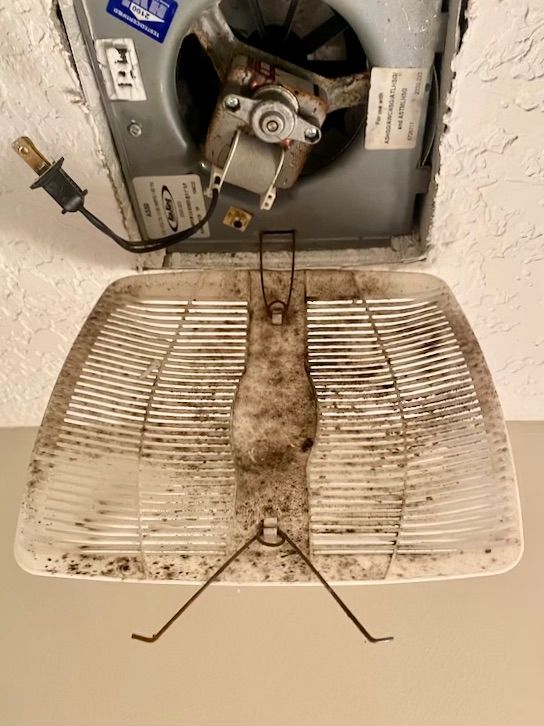
Exhaust fans should be used consistently during showers and cooking and left running long enough to clear moisture afterward. Fans should vent outdoors, not into attics or wall cavities.
Poor ventilation allows steam and humidity to settle on ceilings and inside walls, creating ideal mold conditions.
Good airflow is one of the simplest and most effective prevention tools.
Keep HVAC Systems in Good Condition
HVAC systems play a central role in mold prevention in West Melbourne homes.
Condensation naturally forms inside air handlers, drain pans, and ductwork. When drain lines clog or insulation is damaged, moisture stays where it shouldn’t.
Regular maintenance helps ensure:
- Drain lines flow freely
- Coils are clean
- Airflow is balanced
- Duct insulation prevents sweating
When HVAC moisture is controlled, mold risk drops significantly throughout the home.
Address Small Leaks Immediately
Small leaks are often ignored because they don’t seem urgent. In Florida’s climate, even minor leaks can lead to mold.
Drips under sinks, slow toilet leaks, small roof leaks, or window intrusion after storms can keep materials damp for long periods.
Leaks should be repaired promptly, and affected materials should be dried thoroughly — not just wiped down.
Delayed repairs are one of the most common reasons mold prevention fails.
Pay Attention After Storms and Heavy Rain
Storms don’t need to cause visible flooding to create mold risk.
Wind-driven rain can enter through roofs, windows, soffits, and exterior penetrations. Power outages can shut down air conditioning, allowing indoor humidity to spike quickly.
After storms, homeowners should check:
- Attics for leaks or damp insulation
- Ceilings and walls for subtle discoloration
- HVAC systems for drainage issues
Early checks help catch moisture before mold develops.
Don’t Ignore Condensation
Condensation is a warning sign that moisture control needs attention.
Water droplets on vents, windows, pipes, or walls indicate that humid air is meeting cooler surfaces. Over time, this moisture feeds mold growth.
Condensation problems often point to ventilation issues, insulation gaps, or HVAC performance concerns that can be corrected before mold appears.
Keep Air Moving Inside the Home
Stagnant air allows moisture to settle and linger.
Closets, spare rooms, and areas against exterior walls often have poor airflow. These spaces dry more slowly and are common mold trouble spots.
Keeping doors open occasionally, ensuring vents aren’t blocked, and maintaining balanced airflow helps moisture dissipate instead of collecting.
Be Careful With DIY Mold Prevention Myths
Many homeowners rely on sprays, deodorizers, or routine bleaching as prevention.
These methods do not prevent mold. They only address surface appearance and may add moisture to porous materials.
True prevention comes from controlling moisture sources, not from repeatedly treating surfaces.
Inspect Hidden Areas Periodically
Some of the most important prevention steps involve areas you don’t see every day.
Attics, HVAC closets, crawl spaces, and areas with past water damage should be checked periodically. These spaces often show early signs of moisture problems before mold becomes visible elsewhere.
Catching issues early keeps prevention simple.
How Professional Inspections Support Prevention
A professional mold inspection isn’t only for active mold problems.
Inspections can identify:
- Elevated moisture levels
- Ventilation deficiencies
- HVAC condensation issues
- Early signs of hidden moisture
This information helps homeowners correct conditions before mold becomes established.
Brevard Mold Inspections & Removal often helps homeowners with prevention-focused evaluations, not just remediation.
Why Local Experience in Brevard County Matters
Mold prevention strategies that work in dry climates often fail in Florida.
West Melbourne homes face high humidity, slab foundations, frequent storms, and long cooling seasons. Local experience helps identify where moisture problems typically start and how to prevent them effectively.
Generic advice often overlooks these regional realities.
Simple Habits That Make a Big Difference
Consistent habits are often more effective than expensive solutions.
Using exhaust fans, maintaining HVAC systems, repairing leaks promptly, and monitoring humidity all add up to strong mold prevention.
After storms, a quick walkthrough can prevent months of hidden moisture problems later.
In Brevard County, prevention is an ongoing process, not a one-time fix.
A Calm, Practical Takeaway
Mold prevention in West Melbourne is about staying ahead of moisture. Mold problems rarely start suddenly — they develop when small moisture issues are ignored over time.
By focusing on humidity control, ventilation, HVAC maintenance, and early leak detection, homeowners can greatly reduce mold risk.
Homeowners throughout Brevard County benefit from understanding how their homes interact with Florida’s climate. Brevard Mold Inspections & Removal helps homeowners identify moisture risks early and take practical steps to keep mold from becoming a problem.
When moisture is managed well, mold prevention becomes part of everyday home care — not a constant worry.