
Mold After Water Damage in Satellite Beach: What Homeowners in Brevard County Should Know
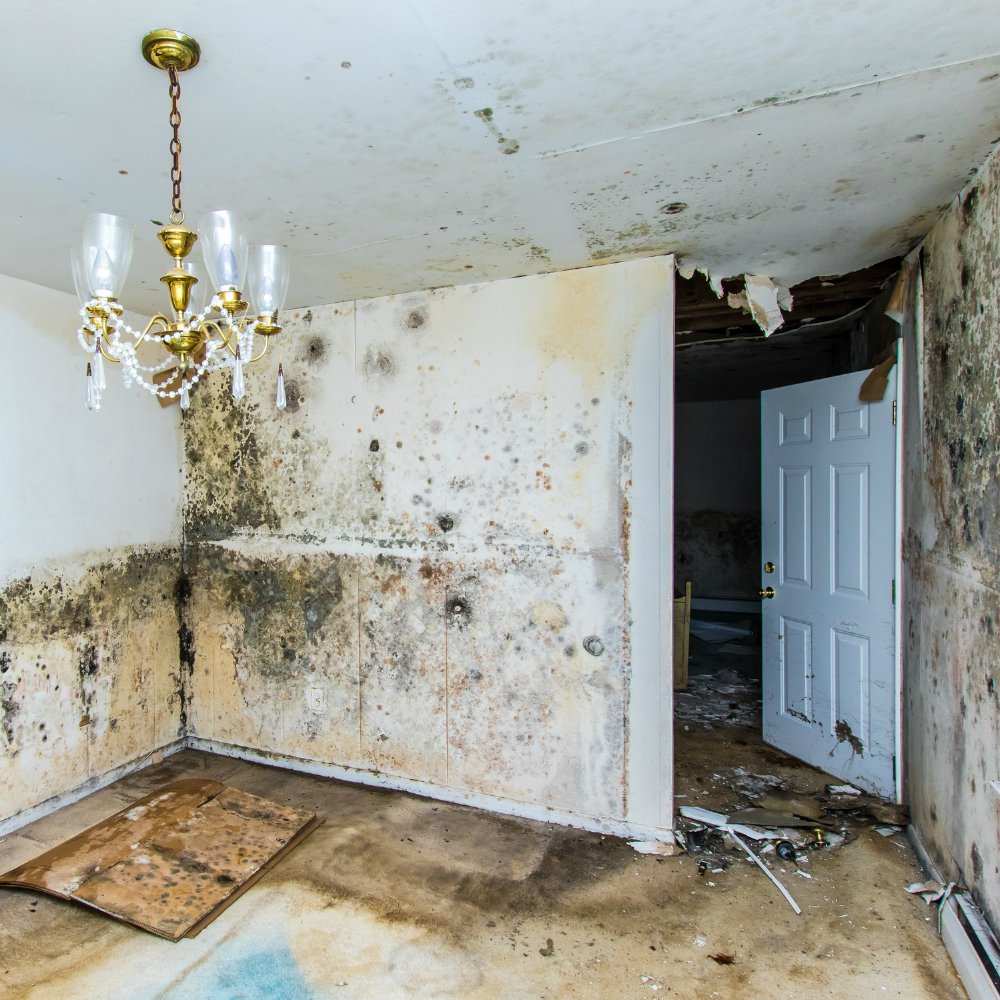
Living in Satellite Beach means enjoying coastal views, steady ocean breezes, and quick access to the water. It also means facing heavy rain, wind-driven storms, salt exposure, and year-round humidity.
When water damage happens in a Satellite Beach home, mold often follows — especially if drying is delayed or incomplete.
Across Brevard County, from Satellite Beach to Melbourne, Palm Bay, Rockledge, Titusville, Merritt Island, Cocoa, Viera, Cocoa Beach, and Cape Canaveral, mold after water damage is one of the most common issues we inspect.
The important thing to understand is this:
Water damage is the event. Mold is the consequence.
Let’s walk through what homeowners in Satellite Beach should know about mold after water intrusion — and how to respond the right way.
Why Mold Develops So Quickly in Satellite Beach
Mold requires three things:
- Moisture
- Organic material (drywall, wood, insulation, dust)
- Time
Florida’s warm, humid climate speeds up the timeline.
In Satellite Beach, mold can begin developing within 24–48 hours after materials become wet and remain damp.
Because coastal humidity is already elevated, wet materials dry more slowly. That extended drying time creates the perfect environment for growth.
Even small water events can trigger mold if not addressed properly.
Common Causes of Water Damage in Satellite Beach Homes
Satellite Beach properties face unique moisture challenges due to coastal exposure.
Wind-Driven Rain
Storms push rain horizontally. Water can enter through small gaps around windows, sliding doors, roof penetrations, or soffits.
Hurricane Damage
Roof shingle damage during storms can allow water intrusion into attics.
Plumbing Failures
Burst pipes, leaking supply lines, and appliance hose failures occur in homes throughout Rockledge and Palm Bay as well.
AC Drain Line Overflows
Clogged condensate lines are common in Brevard County. When drain pans overflow, water spreads into surrounding drywall and flooring.
Minor Flooding
Low-lying areas may experience standing water during heavy rainfall.
In coastal homes, even minor water exposure combined with humidity can lead to mold.
Where Mold Often Appears After Water Damage
During inspections in Satellite Beach and surrounding areas, we frequently find mold developing in:
Behind Drywall
Water travels inside wall cavities long before staining appears on the surface.
Under Flooring
Slab foundations can trap moisture beneath tile or laminate. This is common in Viera and Palm Bay homes as well.
Attics
Roof leaks soak insulation before homeowners notice ceiling stains.
HVAC Systems
If water damage occurs near air handlers or ductwork, mold spores can enter the system and circulate.
Baseboards and Trim
Water wicks upward into porous materials.
Often, by the time odor develops, mold has already taken hold.
Signs Mold May Be Developing After Water Damage
Homeowners should watch for:
- Persistent musty odor
- Peeling paint
- Bubbling drywall
- Warped flooring
- Dark staining near ceilings
- Elevated indoor humidity
- Discoloration on attic wood
In Merritt Island and Titusville homes, attic mold after roof leaks is one of the most common post-storm findings.
Even if surfaces feel dry, hidden moisture may remain.
Why Immediate Drying Is Critical
The first 24–72 hours after water intrusion are crucial.
Professional drying typically involves:
- Moisture mapping
- Commercial-grade dehumidifiers
- Air movers
- Ongoing moisture monitoring
Simply running household fans is rarely sufficient in Florida’s humidity.
If materials are not dried thoroughly, moisture becomes trapped inside drywall, insulation, and framing.
Surface dryness does not guarantee internal dryness.
Incomplete drying is one of the leading causes of post-water-damage mold in Brevard County homes.
Why DIY Cleanup Can Lead to Hidden Mold
Homeowners often try to handle minor water damage themselves by:
- Towel drying visible water
- Replacing small sections of drywall
- Painting over stains
- Using bleach on visible spots
While these steps may improve appearance, they do not confirm structural dryness.
Bleach does not penetrate porous materials effectively.
If hidden moisture remains, mold growth can continue behind finished surfaces.
Professional moisture detection removes uncertainty.
How Professional Mold Inspections Work After Water Damage
At Brevard Mold Inspections & Removal, post-water-damage inspections focus on identifying both visible and hidden moisture.
The process typically includes:
Visual Assessment
We examine ceilings, baseboards, flooring transitions, attic spaces, and HVAC components.
Moisture Mapping
Professional moisture meters detect elevated readings in drywall, framing, and subfloor materials.
Humidity Measurement
Indoor relative humidity is measured. Ideal levels range between 45% and 55%.
Air Sampling (If Needed)
Air samples compare indoor mold spore levels to outdoor baseline levels.
In Florida, outdoor mold spores are normal. Elevated indoor levels indicate an indoor source.
The goal is clarity — not alarm.
What Proper Remediation Looks Like
If mold is confirmed, remediation focuses on both removal and moisture correction.
Steps may include:
- Containment of affected areas
- HEPA air filtration
- Removal of contaminated drywall or insulation
- Cleaning structural framing
- Verifying moisture levels are normalized
Just as important is correcting the original water source — whether roof damage, plumbing failure, or ventilation imbalance.
Without fixing the cause, mold can return.
Preventing Mold After Future Water Events
In Satellite Beach, storm preparedness and rapid response matter.
Homeowners can reduce risk by:
- Inspecting attics after storms
- Checking around windows and sliding doors
- Flushing AC drain lines regularly
- Monitoring indoor humidity
- Scheduling annual roof inspections
- Acting quickly after any water intrusion
Small leaks become large problems when ignored.
Florida’s humidity accelerates damage.
Why Local Experience in Satellite Beach Matters
Coastal homes in Satellite Beach face different moisture patterns than inland properties in Viera or Titusville.
Factors include:
- Wind-driven rain
- Salt air exposure
- Hurricane vulnerability
- Slab construction
- Elevated attic heat
Understanding how Brevard County homes respond to water intrusion allows for more accurate inspections.
Brevard Mold Inspections & Removal has inspected homes throughout Satellite Beach and surrounding communities. Local knowledge helps distinguish between surface moisture and deeper structural concerns.
Climate-specific experience matters in Florida.
A Calm, Practical Next Step
If your Satellite Beach home experienced water damage and you’re noticing odor, staining, or humidity changes, it’s worth having it evaluated.
Mold after water damage is common in Brevard County — but manageable when addressed early.
A professional inspection can determine:
- Whether hidden moisture remains
- Whether mold growth is present
- What corrective steps are needed
If you’d like experienced local guidance tailored to Satellite Beach’s coastal environment, Brevard Mold Inspections & Removal is here to help — calmly, clearly, and without pressure.
In Florida homes, quick action after water damage makes all the difference.