
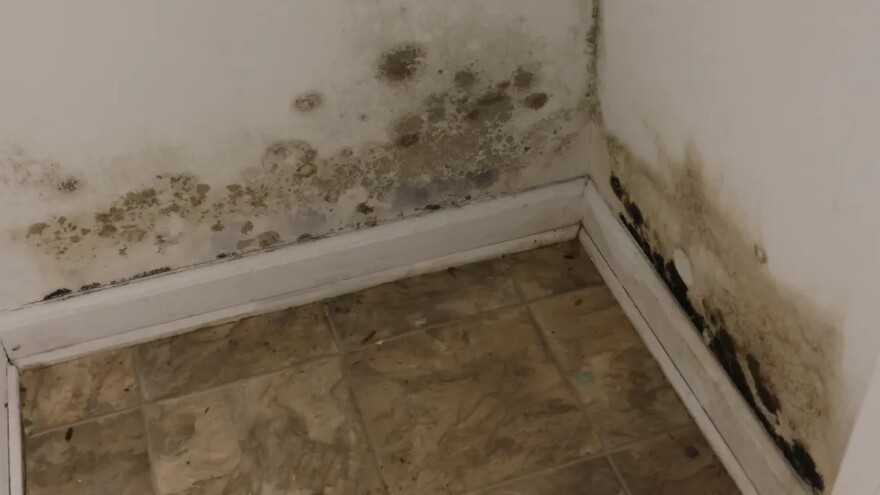
DIY Mold Risks in Viera: What Homeowners in Brevard County Should Know
DIY mold cleanup is tempting for many homeowners in Viera. A few dark spots on a wall, a musty smell in a bathroom, or mold near an AC vent often feel like problems that can be handled with household cleaners and a little elbow grease. The intention is understandable — fix it fast, save money, and move on.
In Brevard County’s humid climate, however, DIY mold cleanup frequently creates bigger problems than it solves. Mold is rarely just a surface issue, and treating it without understanding moisture behavior can spread contamination, hide ongoing damage, and increase long-term costs. Knowing the real risks helps homeowners make smarter decisions before picking up a scrub brush.
Why DIY Mold Cleanup Is So Common
Mold is often presented as a cleaning problem rather than a building issue. Online advice, store-bought sprays, and well-meaning recommendations make it seem manageable.
In Viera homes, mold often appears small at first — a few spots on drywall, ceiling discoloration, or growth around vents. Without visible leaks or flooding, it’s easy to assume cleaning is enough.
Unfortunately, Florida mold rarely behaves that simply.
Mold Is a Moisture Problem First
Mold does not grow because a surface is dirty. It grows because moisture is present long enough for spores to settle and feed.
In Viera, moisture often comes from:
- High indoor humidity
- AC condensation
- Small plumbing leaks
- Roof or window intrusion after storms
- Poor ventilation
DIY cleanup focuses on appearance, not moisture. If moisture remains, mold will return — often faster and more widespread than before.
What Happens When Mold Is Scrubbed
Scrubbing mold without containment releases spores into the air.
Those spores are microscopic and easily spread through the home, especially in houses with central air. Once airborne, spores can settle in new areas, including bedrooms, closets, and HVAC systems.
What started as a small, visible patch can turn into multiple hidden growth sites simply because of cleaning activity.
Why Bleach Is a Common Mistake
Bleach is one of the most commonly used DIY mold treatments — and one of the most misunderstood.
Bleach may lighten or remove surface staining, but it does not penetrate porous materials like drywall, wood, insulation, or grout backing. Mold roots can remain active beneath the surface.
Bleach also contains water. On porous materials, that moisture can feed mold growth below the surface, causing it to return darker and more aggressive.
This is why homeowners often say, “I cleaned it, but it came back worse.”
Hidden Mold Is Usually Missed
Visible mold is often only a symptom.
In many Viera homes, mold grows:
- Behind drywall
- Inside wall cavities
- Under flooring
- Inside HVAC systems
- Above ceilings or in attics
DIY cleanup almost never addresses these areas. Mold continues growing out of sight while surfaces look temporarily better.
When the hidden mold eventually shows itself, the scope of the problem is much larger.
DIY Cleanup Can Mask Ongoing Water Damage
Cleaning visible mold can hide important warning signs.
Discoloration, bubbling paint, or soft drywall often indicate moisture damage beneath the surface. When these signs are scrubbed or painted over, moisture problems continue undetected.
In Florida’s climate, moisture that isn’t identified and dried properly rarely resolves on its own.
By the time symptoms reappear, damage is often more extensive.
Why HVAC Mold Is Especially Risky to DIY
Mold involving HVAC systems is one of the riskiest areas for DIY work.
Air handlers, drain pans, coils, and ductwork are designed to handle moisture — but only when systems are maintained correctly. When mold develops inside these components, cleaning vents or spraying air fresheners does nothing to fix the source.
DIY attempts can spread mold throughout the system, pushing spores into every room of the home.
HVAC mold almost always requires professional evaluation to determine whether cleaning, component replacement, or moisture correction is needed.
DIY Work Can Complicate Future Repairs
DIY mold cleanup often removes evidence that helps professionals understand what happened.
Scrubbing, painting, or replacing materials without documentation makes it harder to determine:
- Where moisture came from
- How long it’s been present
- How far mold has spread
This can lead to unnecessary demolition or missed problem areas during later remediation.
Professional assessment before cleanup preserves information that guides proper solutions.
Safety Risks of DIY Mold Cleanup
Beyond mold spread, DIY cleanup carries physical risks.
Working in attics, crawl spaces, or HVAC closets exposes homeowners to heat, poor footing, and electrical hazards. Without proper equipment, containment, or ventilation, conditions can become unsafe quickly.
Many homeowners underestimate how harsh Florida attic and crawl space environments can be.
Why Mold Often Returns After DIY Cleanup
Recurring mold is one of the biggest frustrations homeowners report.
This happens because:
- Moisture sources weren’t corrected
- Mold roots remained in porous materials
- Spores spread during cleaning
- Hidden areas weren’t addressed
DIY efforts rarely change the conditions that allowed mold to grow in the first place.
The Role of a Professional Mold Inspection
A professional mold inspection looks beyond visible growth.
Inspectors evaluate moisture patterns, ventilation, HVAC performance, and building materials. Moisture meters and thermal imaging help identify damp areas that appear dry on the surface.
When appropriate, air or surface sampling may support findings, but the focus remains on understanding why mold is present.
An inspection provides clarity before cleanup begins.
Proper Mold Remediation vs. DIY Cleanup
Mold remediation is a controlled process, not a cleaning task.
Containment prevents spore spread. Mold-affected materials are cleaned or removed based on material type and severity. Moisture sources are corrected so mold does not return.
Verification ensures conditions are dry and stable before work is considered complete.
Brevard Mold Inspections & Removal approaches mold issues with a prevention-focused mindset rather than surface-level treatment.
When DIY Might Be Reasonable
Very small, isolated surface mold on non-porous materials may sometimes be manageable, provided moisture is controlled.
Even then, caution is essential. If mold returns, spreads, or is linked to HVAC systems, attics, walls, or recurring humidity, DIY cleanup is no longer appropriate.
Knowing when to stop is just as important as knowing when to start.
Why Local Experience in Brevard County Matters
DIY advice often comes from regions with dry climates.
Viera homes face high humidity, storms, slab foundations, and long cooling seasons. Moisture behaves differently here, and mold grows faster and spreads more easily.
Local experience helps identify risks that generic advice overlooks.
A Calm, Practical Takeaway
DIY mold cleanup in Viera often feels like the quickest solution, but it frequently leads to bigger problems. Mold is almost always a moisture issue first, and moisture problems don’t resolve with surface cleaning.
If mold keeps returning, appears after water damage, or involves HVAC systems, walls, ceilings, or hidden areas, professional evaluation provides clarity and direction.
Homeowners throughout Brevard County benefit from understanding the risks before taking action. Brevard Mold Inspections & Removal helps homeowners identify moisture issues, avoid common DIY mistakes, and address mold in ways that actually last.
Handled correctly, mold becomes a solvable building issue — not a recurring problem made worse by good intentions.