
Mold in Bathrooms in Cape Canaveral: What Homeowners in Brevard County Should Know
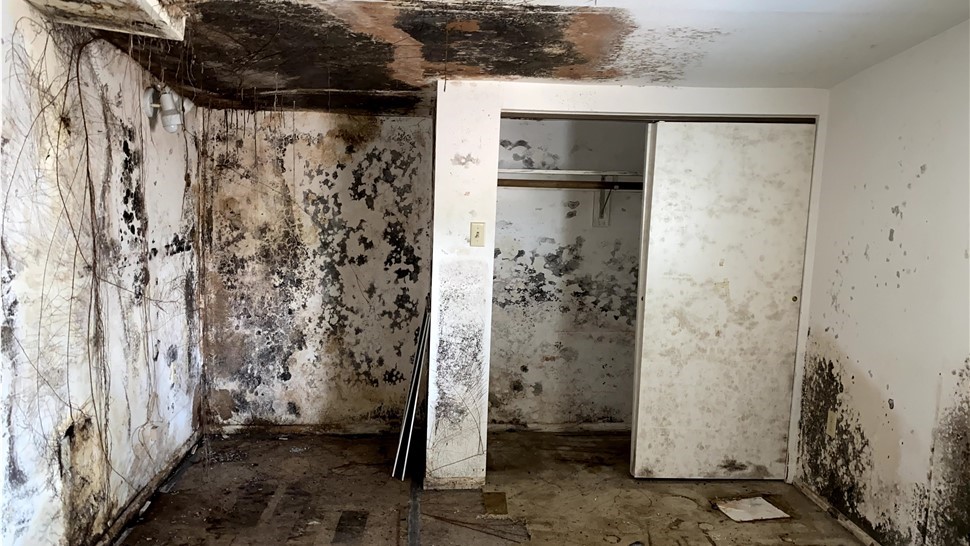
Bathrooms are one of the most common places mold starts in Cape Canaveral homes. Daily showers, steam, and salty coastal humidity create nonstop moisture, and mold takes advantage fast. Even bathrooms that look spotless can hide mold behind walls or under fixtures.
Why Bathrooms Are High-Risk Areas
Bathrooms combine heat, water, and poor airflow.
Common contributors include:
- Steam from hot showers
- Weak or unused exhaust fans
- Water splashing onto walls and floors
- Slow leaks under sinks or around toilets
When moisture doesn’t dry quickly, mold settles in.
Where Mold Commonly Hides in Bathrooms
Inspections frequently uncover mold:
- Behind shower tile and wall panels
- Under sinks and inside vanities
- Around toilet bases
- On drywall behind mirrors or cabinets
Visible mold often shows up late.
Why Cleaning the Surface Isn’t Enough
Scrubbing grout or spraying cleaners only treats what you can see.
Bathrooms often have:
- Mold growing inside drywall
- Moisture trapped behind tile
- Damp wood framing
Without fixing moisture, mold keeps coming back.
How Bathroom Mold Affects the Whole Home
Bathroom mold rarely stays isolated.
Spores can move:
- Through wall cavities
- Into hallways and bedrooms
- Through HVAC airflow
That’s why bathroom mold often leads to whole-home air quality issues.
Why Mold Inspection and Testing Matter
Mold inspection identifies hidden bathroom growth and moisture sources. Mold testing confirms whether spores affect indoor air quality.
A proper response includes:
- Mold inspection
- Mold testing
- Targeted mold removal
- Full mold remediation
Fixing moisture prevents repeat growth.
Final Thoughts
For homeowners in Cape Canaveral, bathrooms deserve regular ventilation checks and moisture control. Catching small problems early keeps bathroom mold from becoming a bigger issue.