
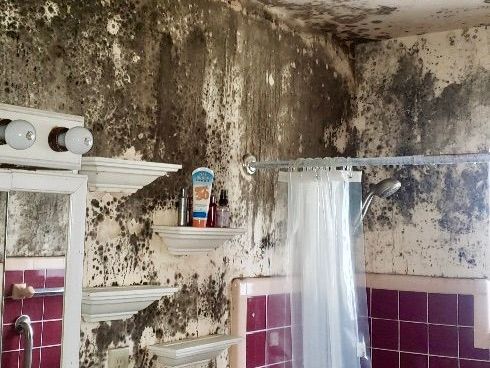
Mold FAQs in Satellite Beach: What Homeowners in Brevard County Should Know
Mold questions come up often for homeowners in Satellite Beach. Living right along the coast means constant humidity, salty air, storms, and year-round air conditioning. Even well-maintained homes can experience mold issues, sometimes without obvious leaks or flooding.
This FAQ-style guide addresses the most common mold questions Satellite Beach homeowners ask. The goal is simple, clear answers based on real Florida homes — not fear, not hype, and not guesswork.
Is Mold Common in Satellite Beach Homes?
Yes. Mold is very common in coastal Brevard County homes.
Satellite Beach experiences high humidity nearly year-round. Even when it isn’t raining, moisture stays in the air and slows drying inside homes. This creates ideal conditions for mold if ventilation, airflow, or moisture control slips even slightly.
Mold problems here are more about climate than cleanliness.
Does Mold Mean There’s a Serious Problem?
Not always — but it does mean moisture needs attention.
Mold is a symptom, not a cause. It indicates that moisture is present where it shouldn’t be. Sometimes the fix is simple, such as improving ventilation or correcting an AC drainage issue. Other times, deeper investigation is needed.
Ignoring mold allows moisture to continue affecting the home.
Where Does Mold Usually Grow in Coastal Homes?
In Satellite Beach, mold commonly develops in:
- Bathrooms and bathroom ceilings
- HVAC systems, especially air handlers and ducts
- Behind drywall and under flooring
- Attics, especially near roof decking
- Around windows and exterior walls
Many of these areas stay damp longer due to humidity and limited airflow.
Why Does Mold Keep Coming Back After Cleaning?
Because cleaning doesn’t fix moisture.
Surface cleaning removes visible mold but leaves moisture behind. Mold roots remain inside porous materials like drywall, wood, and insulation.
Bleach and household cleaners can also add moisture, which may make regrowth worse. Without correcting humidity, condensation, or leaks, mold will return.
Can Mold Grow Without a Leak?
Yes — very often in coastal homes.
Mold frequently grows due to:
- High indoor humidity
- AC condensation
- Poor ventilation
- Temperature differences causing condensation
Many Satellite Beach mold issues occur without any plumbing or roof leaks at all.
Is Mold in HVAC Systems Common Near the Beach?
Very common.
Air conditioning systems remove humidity from the air, but they also produce condensation. If drain lines clog, coils get dirty, airflow is restricted, or insulation fails, moisture remains inside the system.
Because HVAC systems move air throughout the home, mold inside them often causes widespread odors and recurring issues.
Why Does My Home Smell Musty After Rain?
Rain increases outdoor humidity and pressure on the home.
Moist air can enter through small gaps, attic spaces, or crawl spaces. Attics and wall cavities may absorb moisture and release odors later.
Musty smells after rain are often a sign that moisture is entering or lingering somewhere unseen.
Is All Dark Mold “Black Mold”?
No.
“Black mold” is a visual description, not a diagnosis. Many mold types appear dark green, brown, or black.
From a building standpoint, color doesn’t change how mold is handled. Any mold indicates moisture and should be addressed the same way — by correcting conditions, not labeling spores.
Should I Be Worried About Mold Health Effects?
Mold concerns are usually tied to indoor comfort first.
Homes with mold often feel damp, smell musty, or feel less comfortable. People react differently to these environments, which is why experiences vary.
From a home perspective, the solution is always moisture control and proper remediation — not panic or assumptions.
Do I Need Mold Testing?
Not always.
Mold testing can be useful when:
- Mold is suspected but not visible
- Documentation is needed
- Odors exist without clear sources
Testing does not locate moisture or fix mold. It’s a tool that supports inspections, not a replacement for them.
Are DIY Mold Test Kits Reliable?
They often create more confusion than clarity.
DIY kits usually detect mold spores that are already present everywhere. Without professional interpretation and moisture evaluation, results can be misleading.
Many homeowners end up more worried without learning what actually needs to be fixed.
Can I Remove Mold Myself?
Very small, isolated surface mold on non-porous materials may sometimes be manageable.
However, DIY cleanup often:
- Spreads mold spores
- Misses hidden mold
- Leaves moisture untreated
If mold keeps returning, involves HVAC systems, walls, ceilings, or hidden areas, professional evaluation is strongly recommended.
Why Is Attic Mold So Common Near the Coast?
Attics collect moisture from several sources.
Warm, humid air rises from living spaces and condenses on cooler roof decking. Bathroom fans that vent into attics add even more moisture.
Storms and wind-driven rain can introduce moisture without obvious leaks. Attic mold often grows unnoticed for long periods.
Does Mold Always Require Remediation?
Not every situation requires full remediation.
Some inspections reveal minor issues that can be corrected with ventilation improvements, moisture control, or repairs.
When mold is extensive, recurring, or tied to hidden moisture, remediation is often the best long-term solution.
How Do Professionals Approach Mold Problems?
Professionals focus on moisture first.
They evaluate:
- Humidity levels
- Ventilation
- HVAC performance
- Hidden moisture in walls, ceilings, and attics
Mold is addressed based on material type, severity, and cause. The goal is long-term stability, not cosmetic improvement.
Brevard Mold Inspections & Removal approaches mold issues with this prevention-focused mindset.
How Can I Prevent Mold in a Satellite Beach Home?
Key prevention steps include:
- Use bathroom exhaust fans consistently
- Maintain HVAC systems and drain lines
- Monitor indoor humidity
- Repair leaks promptly
- Inspect attics and HVAC areas after storms
In coastal Florida, prevention is ongoing rather than one-time.
Why Does Local Experience Matter So Much?
Mold behaves differently in coastal Florida than in dry climates.
Satellite Beach homes face salt air, storms, constant humidity, slab foundations, and long cooling seasons. Solutions that work elsewhere often fail here.
Local experience helps identify where mold typically develops and how to prevent it effectively.
A Clear Takeaway for Homeowners
Mold questions are normal in Satellite Beach — and most mold issues are manageable when handled correctly.
Mold almost always points to moisture. When moisture is understood and controlled, mold stops being mysterious or overwhelming.
If your home has recurring mold, musty odors, or unexplained humidity issues, a professional inspection can provide clarity without pressure. Brevard Mold Inspections & Removal helps homeowners across Brevard County understand what’s happening in their homes and take practical, long-term steps to protect them.
With the right information and approach, mold becomes a solvable home maintenance issue — not an ongoing source of stress.