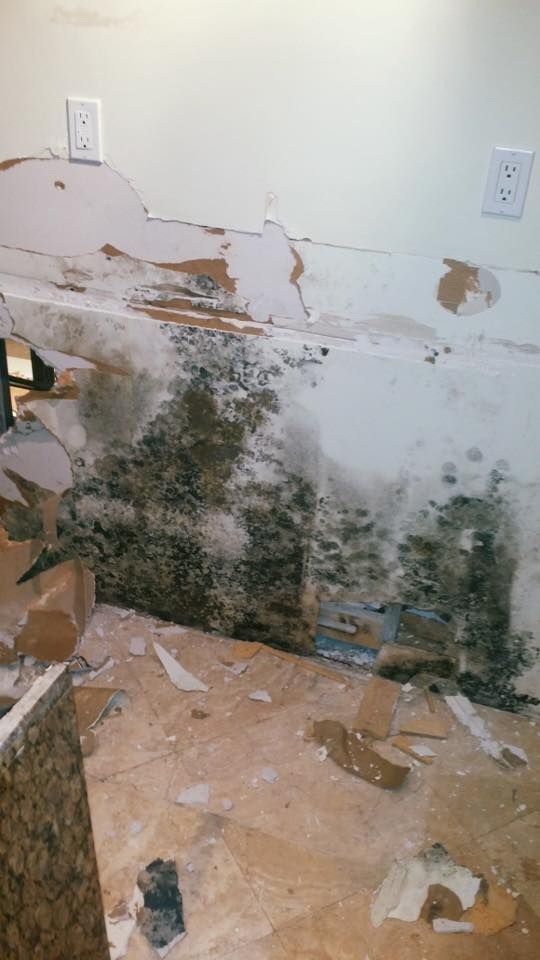
Mold Removal in Cape Canaveral: What Homeowners in Brevard County Should Know
In Cape Canaveral, mold removal is a common concern for homeowners—even in properties that appear clean, modern, and well maintained. Living on the coast means constant exposure to high humidity, salt air, storms, and moisture that doesn’t dry quickly. Mold problems here rarely come from a single dramatic event. More often, they develop quietly after small leaks, condensation, or humidity buildup that goes unnoticed.
Mold removal isn’t just about getting rid of visible growth. In Brevard County’s coastal environment, successful mold removal means understanding where moisture is coming from, how far mold has spread, and what needs to change to keep it from coming back. For Cape Canaveral homeowners, knowing how proper mold removal works can prevent repeat issues and long-term damage.
Why Mold Removal Is So Common in Cape Canaveral
Cape Canaveral homes face moisture pressure from multiple directions. Even without flooding or obvious leaks, the environment alone can support mold growth.
Local factors that increase mold risk include:
- Constant coastal humidity
- Salt air degrading seals and flashing
- Wind-driven rain during storms
- Long AC run times creating condensation
- Slab foundations common in the area
- Homes kept closed and air-conditioned most of the year
When moisture lingers—even in small amounts—mold removal eventually becomes necessary.
How Mold Typically Develops Before Removal Is Needed
Mold rarely appears overnight. In Cape Canaveral homes, it usually develops gradually as moisture builds up behind surfaces.
A common pattern looks like this:
- Moisture enters from humidity, condensation, or a small leak
- Surfaces dry, but materials remain damp internally
- Mold begins growing behind walls, under floors, or above ceilings
- Odors or visible mold finally appear
By the time mold is visible, removal usually requires more than surface cleaning.
Common Areas Where Mold Removal Is Needed
Mold in Cape Canaveral homes tends to show up in predictable areas where moisture and limited airflow combine.
High-risk areas include:
- Bathrooms and bathroom ceilings
- Behind drywall near plumbing
- Beneath laminate or vinyl flooring
- Around HVAC air handlers and vents
- Attics after roof or storm-related leaks
- Closets on exterior walls
Visible mold often represents only a portion of the affected area.
Hidden Mold: A Major Reason Removal Is Needed
One of the most challenging aspects of mold removal is hidden mold. This is mold growing where homeowners can’t see it.
Hidden mold commonly develops:
- Behind walls exposed to humidity or leaks
- Under flooring on slab foundations
- Inside wall cavities near bathrooms or kitchens
- In attic insulation
- Inside HVAC components
If hidden mold isn’t addressed, surface-level removal won’t last.
Mold Removal vs. Cleaning: Why the Difference Matters
Many homeowners try cleaning mold themselves, only to see it return.
The difference:
- Cleaning improves appearance
- Removal addresses contaminated materials
- Proper remediation also corrects moisture sources
In Cape Canaveral’s climate, cleaning alone almost always leads to repeat mold problems.
Bathrooms and Mold Removal
Bathrooms are one of the most common places mold removal is required.
Bathroom mold usually results from:
- Steam not being vented properly
- Exhaust fans that are undersized or unused
- Fans venting into attics
- Moisture trapped behind walls or ceilings
Effective removal often includes improving ventilation—not just cleaning surfaces.
Mold Removal Under Floors
Slab foundations are common in Cape Canaveral and can trap moisture beneath flooring.
This often leads to:
- Mold under laminate, vinyl, or carpet
- Musty odors without visible growth
- Mold that returns after surface cleanup
Proper removal may require lifting flooring to dry and treat affected areas.
Attic Mold Removal After Storms
Attics are frequently involved in mold removal after coastal storms.
Attic mold often develops due to:
- Wind-driven rain entering roof gaps
- Damaged flashing or vents
- Bathroom fans exhausting moist air into the attic
- Insulation drying very slowly
Because attics aren’t visited often, mold can spread before it’s noticed.
HVAC Systems and Mold Removal
HVAC systems are a common source of mold spread.
Mold removal may be needed when:
- Condensate drain lines clog
- Drain pans hold standing water
- Evaporator coils remain damp
- Mold appears around vents
Since HVAC systems circulate air, mold here can affect the entire home.
Why DIY Mold Removal Often Fails
DIY mold removal usually focuses on what’s visible.
DIY approaches fail because:
- Bleach doesn’t penetrate porous materials
- Mold roots remain inside drywall or wood
- Cleaning adds moisture
- Hidden mold is untouched
- Moisture sources aren’t corrected
In coastal environments, mold almost always returns after DIY cleanup.
The Role of Professional Mold Inspections Before Removal
Before mold removal begins, a professional inspection helps define the scope of the problem.
An inspection may include:
- Identifying visible and hidden mold
- Measuring moisture in walls and floors
- Inspecting HVAC systems
- Checking attics for storm-related moisture
- Determining why mold developed
This prevents unnecessary demolition and missed problem areas.
Brevard Mold Inspections & Removal works with Cape Canaveral homeowners to evaluate mold conditions carefully and recommend removal strategies focused on long-term results—not quick fixes.
Proper Mold Removal and Remediation Approach
Effective mold removal follows a structured process.
A proper approach typically includes:
- Containment to prevent spore spread
- Removal of contaminated porous materials
- Cleaning remaining surfaces appropriately
- Correcting moisture sources
- Thorough drying and humidity control
Skipping moisture correction is the most common reason mold returns.
Mold Removal After Storms or Power Outages
Storms and outages are major mold triggers in Cape Canaveral.
After storms:
- AC systems may shut down
- Indoor humidity rises quickly
- Drying slows dramatically
- Mold can begin growing out of sight
Mold removal weeks later often traces back to these events.
Preventing Mold After Removal
Long-term success depends on prevention.
Helpful prevention steps include:
- Managing indoor humidity consistently
- Maintaining HVAC systems and drain lines
- Using bathroom exhaust fans properly
- Inspecting roofs and attics after storms
- Addressing leaks immediately
Prevention reduces the need for future mold removal.
Why Local Cape Canaveral Experience Matters
Mold removal in coastal Florida is different from mold removal in dry climates. Cape Canaveral homes face challenges tied to salt air, storms, slab foundations, and constant humidity.
Local professionals understand:
- How wind-driven rain enters coastal homes
- How humidity slows drying
- Where mold commonly hides locally
- How HVAC systems influence spread
Local experience leads to more effective removal and fewer repeat problems.
A Calm, Practical Takeaway for Homeowners
Mold removal in Cape Canaveral is common—but it doesn’t have to become a cycle of repeated cleanup. Most mold problems stem from moisture that wasn’t fully controlled, not from neglect or poor housekeeping.
If mold keeps returning, odors linger, or humidity feels hard to manage, a professional inspection can provide clarity before removal begins. Addressing both the mold and the moisture behind it is the most effective way to protect your home and maintain comfort in Brevard County’s coastal climate.