
Mold in Crawl Spaces in Melbourne: What Homeowners in Brevard County Should Know
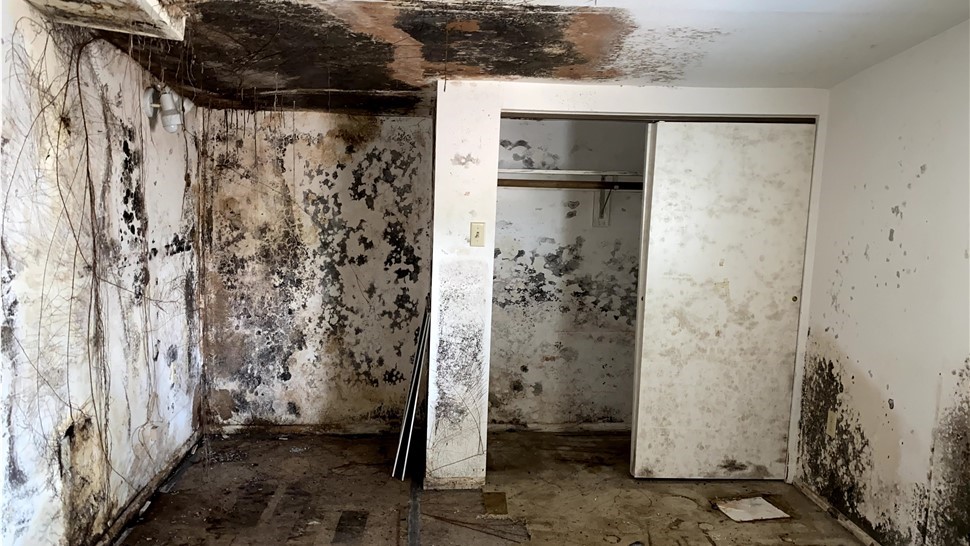
When most Melbourne homeowners think about mold, they picture bathrooms, attics, or maybe an AC closet.
Crawl spaces rarely come to mind.
But in Brevard County, crawl spaces can quietly become one of the most common sources of hidden moisture and mold problems — especially in older homes throughout Melbourne, Rockledge, Titusville, Cocoa, Merritt Island, Palm Bay, Viera, Satellite Beach, Cocoa Beach, and Cape Canaveral.
If your home has a crawl space, it deserves attention.
Let’s talk about why crawl space mold develops in Melbourne homes, what signs to watch for, and what practical steps make sense in Florida’s humid climate.
Why Crawl Spaces Are Vulnerable in Florida
Crawl spaces sit close to the ground. In Brevard County, that means close to:
- High groundwater levels
- Humid outdoor air
- Heavy rainfall
- Storm surge exposure
- Poor natural airflow
Unlike slab foundations, crawl spaces create an enclosed area beneath the home. If moisture enters and doesn’t escape properly, mold can grow on:
- Floor joists
- Subflooring
- Support beams
- Insulation
- HVAC ductwork
Because crawl spaces are rarely inspected, problems often go unnoticed for months — sometimes years.
Why Melbourne Homes Are Especially Susceptible
Melbourne’s coastal climate adds several factors that increase crawl space moisture risk.
High Humidity
Outdoor humidity frequently exceeds 70%. When vents allow humid air into a crawl space, condensation forms on cooler wood surfaces.
Heavy Rainfall
Summer storms and hurricane season can introduce groundwater or surface runoff beneath homes.
Poor Drainage
Improper grading around the foundation allows water to pool near crawl space walls.
Ductwork in Crawl Spaces
In some older Melbourne and Rockledge homes, HVAC ducts run through crawl spaces. Cold air inside ducts combined with humid air outside creates condensation.
Moisture doesn’t need to flood a crawl space to create mold. It just needs to linger.
Signs of Crawl Space Mold in Melbourne Homes
Crawl space mold rarely shows itself directly. Instead, homeowners notice indirect signs.
Common indicators include:
- Musty odors inside the home
- Floors that feel slightly soft or warped
- Increased indoor humidity
- AC running constantly
- Allergy-like irritation indoors
- Visible rust on floor support hardware
In Titusville and Cocoa homes, we often detect crawl space mold only after homeowners report persistent odors with no visible source upstairs.
Odor is often the first clue.
What Happens When Crawl Space Mold Is Ignored
Ignoring crawl space moisture can lead to:
- Wood rot
- Insulation damage
- Increased indoor humidity
- Structural deterioration
- Higher cooling costs
- Mold spores entering living spaces
Air from crawl spaces can move upward into the home through small gaps around plumbing penetrations and subfloor seams.
In Florida homes, airflow dynamics often draw air upward.
That means crawl space conditions affect indoor air quality.
Common Moisture Sources in Crawl Spaces
During inspections across Brevard County, we frequently find crawl space mold tied to:
Ground Moisture
Lack of a vapor barrier allows moisture to evaporate from soil into the crawl space.
Plumbing Leaks
Small leaks under sinks or bathrooms may drip into crawl spaces unnoticed.
HVAC Condensation
Duct sweating or leaking air handlers introduce moisture.
Flooding or Storm Intrusion
Even minor water intrusion during heavy rain can leave lingering dampness.
Poor Ventilation Design
Traditional vented crawl spaces in humid climates often allow more moisture in than they remove.
Identifying the source is the first step in solving the problem.
How Professional Crawl Space Inspections Work
At Brevard Mold Inspections & Removal, crawl space inspections are thorough and methodical.
The process typically includes:
Visual Inspection
We examine:
- Floor joists
- Subflooring
- Insulation
- Support piers
- Vapor barriers
- HVAC ductwork
We look for staining, fungal growth, and structural concerns.
Moisture Detection
Using professional moisture meters, we check wood framing and subfloor materials for elevated readings.
Humidity Measurement
Crawl space humidity levels are measured to determine whether conditions support mold growth.
Evaluation of Drainage and Ventilation
We assess whether water intrusion or airflow imbalance is contributing to the problem.
Data guides recommendations.
When Crawl Space Mold Requires Remediation
Not all mold requires major removal, but remediation becomes necessary when:
- Growth covers large areas of framing
- Insulation is contaminated
- Structural wood shows damage
- Indoor air testing indicates elevated spore levels
- Moisture remains consistently high
Proper remediation may include:
- Containment
- Removal of contaminated insulation
- Cleaning structural wood
- HEPA air filtration
- Installing vapor barriers
- Improving drainage
- Adjusting ventilation
The moisture source must be corrected to prevent recurrence.
Preventing Crawl Space Mold in Melbourne
Prevention in Brevard County focuses on moisture control and airflow management.
Homeowners can reduce risk by:
- Installing or maintaining a vapor barrier
- Ensuring proper grading around the foundation
- Addressing plumbing leaks promptly
- Scheduling annual HVAC inspections
- Monitoring indoor humidity (45–55%)
- Checking crawl spaces annually
After heavy storms, especially during hurricane season, inspections are wise.
Moisture that lingers becomes mold.
Why Local Experience Matters
Crawl space conditions in Melbourne are very different from those in dry inland climates.
Brevard County homes face:
- High groundwater levels
- Coastal humidity
- Hurricane-driven rain
- Salt air exposure
- Warm temperatures year-round
Homes near Merritt Island or Satellite Beach may experience additional wind-driven moisture exposure.
Understanding Florida soil conditions and coastal construction patterns helps identify root causes quickly.
Brevard Mold Inspections & Removal has inspected crawl spaces throughout Melbourne and surrounding communities. Local knowledge allows for practical, climate-specific solutions.
A Calm, Practical Next Step
If your Melbourne home has a crawl space and you’ve noticed musty odors, humidity issues, or unexplained floor concerns, it’s worth having it evaluated.
Crawl space mold in Brevard County is common — but manageable when addressed early.
A professional inspection can determine:
- Whether mold growth is present
- Whether moisture levels are elevated
- What the source is
- What corrective steps are needed
If you’d like experienced local guidance tailored to Melbourne’s climate and construction styles, Brevard Mold Inspections & Removal is here to help — calmly, clearly, and without pressure.
In Florida homes, what happens beneath the house matters just as much as what happens inside it.