Mold in HVAC Systems in Titusville: What Homeowners in Brevard County Should Know
In Titusville, HVAC systems work hard almost year-round to keep homes comfortable. That constant use, combined with high humidity and frequent rain, makes HVAC systems one of the most common places mold problems start—and spread. Many homeowners are surprised to learn that mold inside an HVAC system can exist even when the rest of the home looks clean and dry.
Mold in HVAC systems isn’t usually caused by neglect or dirty homes. It’s almost always tied to moisture behavior—condensation, drainage issues, or humidity that isn’t being removed effectively. Understanding how mold develops inside HVAC systems, where it hides, and how it affects the rest of the home helps Titusville homeowners address problems early and prevent repeat issues.
Why HVAC Mold Is Common in Titusville Homes
Titusville’s climate puts constant pressure on HVAC systems. Warm outdoor air carries moisture into the home, and air conditioning systems must remove that moisture continuously.
Local factors that increase HVAC mold risk include:
- High year-round humidity
- Long cooling seasons with frequent AC use
- Heavy rainfall and storms
- Slab foundations contributing to indoor moisture
- Power outages during storms
- Homes kept closed and air-conditioned most of the year
When moisture isn’t managed perfectly, HVAC systems become prime mold environments.
How Mold Develops Inside HVAC Systems
HVAC systems naturally create moisture as part of normal operation. Problems start when that moisture doesn’t drain or dry properly.
A common sequence looks like this:
- Warm, humid air passes over cold evaporator coils
- Condensation forms inside the system
- Drain pans or lines don’t remove water efficiently
- Damp components stay wet for long periods
- Mold begins growing on internal surfaces
Because this happens out of sight, mold can develop for weeks or months before homeowners notice signs.
Common HVAC Components Where Mold Grows
Mold inside HVAC systems usually isn’t limited to one spot.
High-risk areas include:
- Evaporator coils
- Condensate drain pans
- Clogged or slow drain lines
- Inside air handlers
- Insulated ductwork
- Around supply vents
Once mold develops in these areas, it can affect the entire home.
Condensation: The Main Mold Trigger
Condensation is the single biggest reason mold forms in HVAC systems.
Condensation problems occur when:
- Systems short-cycle and don’t run long enough
- Drain lines clog or back up
- Coils stay wet between cycles
- Ductwork lacks proper insulation
- Indoor humidity stays elevated
Even small amounts of ongoing condensation are enough to support mold growth.
Signs Mold May Be Present in an HVAC System
HVAC mold doesn’t always announce itself clearly. Often, the signs are subtle.
Common warning signs include:
- Musty or earthy odors when the AC runs
- Odors strongest near vents
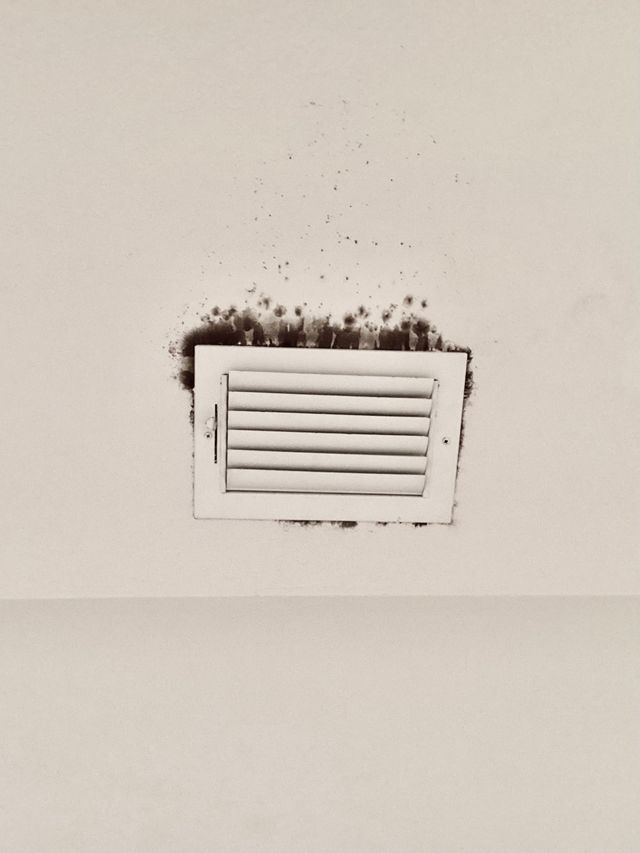
- Mold growth around supply registers
- Increased dust or debris near vents
- Mold returning in multiple rooms
- Indoor air that feels damp or stale
If symptoms improve when the AC is off or when leaving the home, HVAC involvement is often suspected.
How HVAC Mold Affects the Rest of the Home
Because HVAC systems circulate air, mold inside them doesn’t stay contained.
HVAC mold can:
- Spread spores throughout the home
- Cause mold to appear in multiple rooms
- Reintroduce mold after surface cleaning
- Make odors persistent
This is why homeowners often feel like they’re “chasing mold” from room to room.
HVAC Mold After Storms or Power Outages
Storms and outages increase HVAC mold risk significantly in Titusville.
After outages:
- AC systems stop removing humidity
- Indoor moisture rises quickly
- Condensation increases when systems restart
- Standing water may remain in drain pans
Mold growth that appears weeks later often traces back to these events.
Why DIY HVAC Cleaning Usually Fails
Many homeowners try to clean visible mold near vents or replace filters hoping the problem will resolve.
DIY efforts fall short because:
- Mold inside the air handler remains untouched
- Drain lines and coils aren’t addressed
- Hidden moisture sources remain
- Cleaning vents doesn’t stop spore circulation
Surface-level cleaning doesn’t solve internal HVAC mold problems.
The Role of Professional Mold Inspections
A professional mold inspection looks at how moisture is behaving inside the HVAC system, not just visible mold.
An inspection may include:
- Evaluating condensate drain lines and pans
- Checking coils and internal components
- Measuring moisture levels nearby
- Inspecting ductwork and insulation
- Identifying why moisture isn’t drying
This helps determine whether mold is present and what’s causing it.
Brevard Mold Inspections & Removal works with Titusville homeowners to identify HVAC-related mold issues by tracing moisture patterns and explaining findings clearly—without alarm or unnecessary work.
Mold Testing and HVAC Systems
Mold testing isn’t always required for HVAC issues, but it can help in certain cases.
Testing may be useful when:
- Mold is suspected but not visible
- Odors persist without clear sources
- Mold appears in multiple rooms
- Confirmation is needed after remediation
Testing is most effective when guided by inspection results.
Proper Mold Remediation for HVAC Systems
When mold is confirmed, remediation must address both mold growth and moisture behavior.
A proper approach may include:
- Containment to prevent spore spread
- Cleaning or removing contaminated HVAC components
- Clearing and correcting drain issues
- Addressing condensation causes
- Drying and humidity control
Skipping moisture correction almost guarantees mold will return.
Preventing Mold in HVAC Systems
Long-term prevention focuses on moisture management.
Helpful prevention steps include:
- Keeping AC systems running consistently
- Maintaining condensate drain lines
- Addressing short-cycling issues
- Using proper duct insulation
- Monitoring indoor humidity
- Inspecting HVAC systems after storms
Consistent maintenance reduces mold risk significantly.
Why Local Titusville Experience Matters
HVAC mold behaves differently in Florida than in dry climates. Titusville homes face challenges tied to humidity, storms, slab foundations, and long cooling seasons.
Local professionals understand:
- How HVAC systems perform in Titusville conditions
- How humidity affects internal components
- How storms and outages impact moisture
- Where mold commonly develops locally
Local experience leads to accurate assessments and lasting solutions.
A Calm, Practical Takeaway for Homeowners
Mold in HVAC systems in Titusville is common—but it’s manageable when addressed correctly. Most problems develop because moisture isn’t draining or drying as intended, not because of poor housekeeping or neglect.
If musty odors appear when your AC runs, mold keeps returning in multiple rooms, or indoor air never feels quite right, a professional inspection can provide clarity. Understanding how moisture behaves inside your HVAC system is the most effective way to protect your home and maintain comfort in Brevard County’s humid environment.