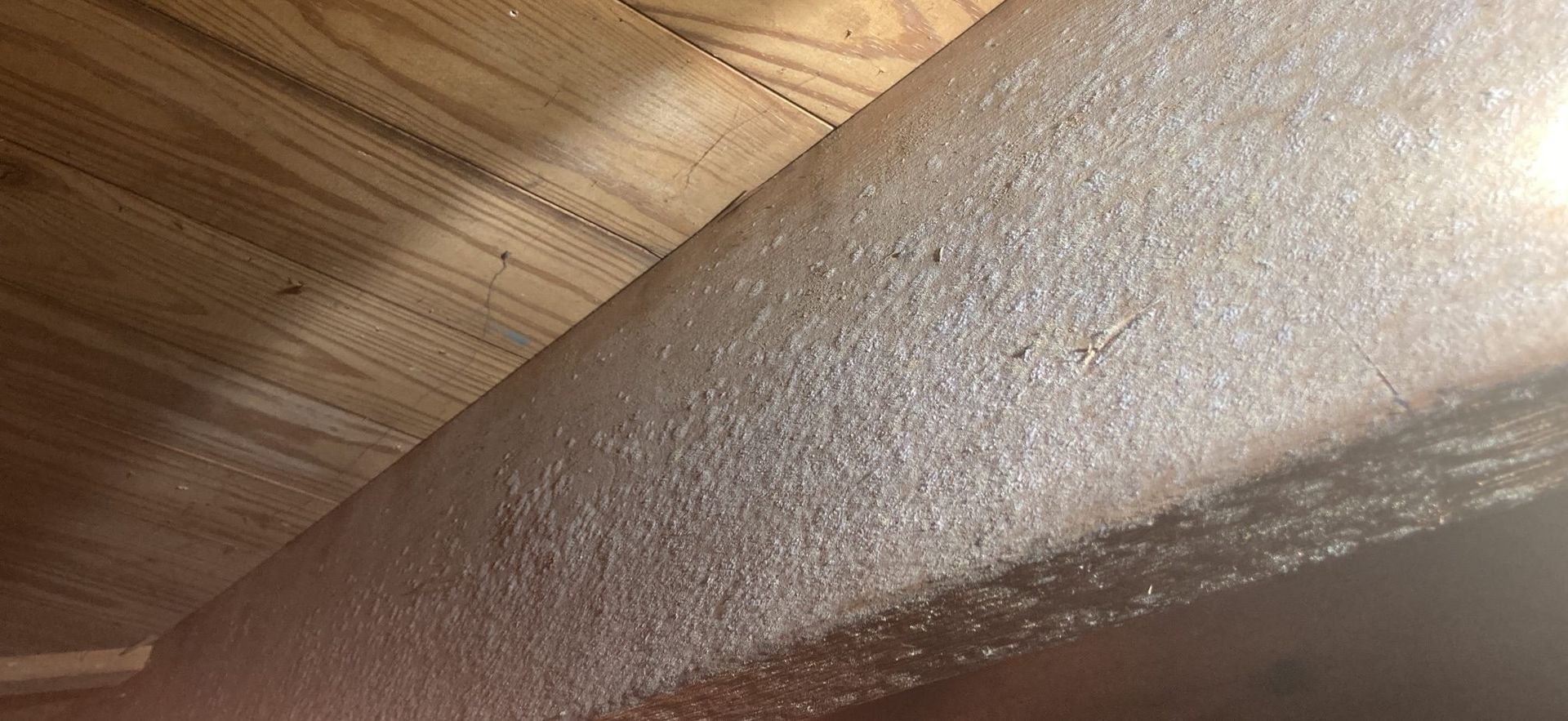
Mold in Crawl Spaces in Satellite Beach: What Homeowners in Brevard County Should Know
In Satellite Beach, crawl space mold is far more common than many homeowners realize. Because crawl spaces are out of sight and rarely accessed, moisture problems can develop quietly for long periods. By the time musty odors drift into living areas or floors begin to feel damp, mold may already be established below the home.
Crawl space mold in Brevard County is rarely caused by neglect or poor housekeeping. It’s almost always the result of coastal humidity, groundwater moisture, airflow limitations, and slow drying—all conditions that are especially present in beachside communities like Satellite Beach. Understanding why crawl space mold forms, where moisture comes from, and how it affects the rest of the home helps homeowners address issues early and prevent repeat problems.
Why Crawl Space Mold Is Common in Satellite Beach
Satellite Beach’s coastal location exposes homes to constant moisture pressure—from both the air and the ground. Crawl spaces, by design, are cooler, darker, and less ventilated than living areas, making them vulnerable to moisture buildup.
Local factors that increase crawl space mold risk include:
- High year-round coastal humidity
- Elevated groundwater levels
- Salt air affecting vents and materials
- Wind-driven rain during storms
- Limited airflow beneath homes
- Warm outdoor air meeting cooler crawl space surfaces
Even homes that appear dry and comfortable above ground can have serious moisture issues below.
How Mold Develops in Crawl Spaces
Crawl space mold usually develops slowly, not after a single event.
A common pattern looks like this:
- Moist outdoor air enters the crawl space through vents or gaps
- Air cools beneath the home, causing condensation
- Ground moisture evaporates upward
- Limited airflow prevents drying
- Wood framing, insulation, or subflooring stays damp
- Mold begins growing over time
Because this process is gradual, it often goes unnoticed.
Common Moisture Sources in Crawl Spaces
Mold in crawl spaces almost always traces back to ongoing moisture exposure rather than visible flooding.
Frequent moisture sources include:
- Humid coastal air entering through vents
- Moisture evaporating from soil
- Plumbing leaks beneath the home
- Poor drainage around the foundation
- Stormwater intrusion after heavy rain
- Condensation forming on framing or ductwork
Often, multiple small moisture sources combine to create ideal mold conditions.
Where Mold Grows in Crawl Spaces
Crawl space mold typically affects structural and insulation materials first.
Common mold locations include:
- Wooden floor joists
- Subflooring
- Support beams
- Insulation facing
- Vapor barriers
- HVAC ductwork
Because these materials are porous, mold can spread extensively once moisture is present.
How Crawl Space Mold Affects the Rest of the Home
Crawl space mold doesn’t stay confined below the house.
Because of natural airflow patterns:
- Air from the crawl space can move upward into living areas
- Musty odors may appear inside the home
- Floors may feel damp or cool
- Indoor humidity can increase
This is why crawl space mold is often linked to whole-home comfort issues.
Why Mold Often Goes Unnoticed in Crawl Spaces
Crawl space mold can spread significantly before homeowners notice any signs.
This happens because:
- Crawl spaces are rarely inspected
- Mold grows out of sight
- Odors may be mild at first
- Living areas can still feel comfortable
By the time symptoms appear indoors, moisture and mold have often been present for a while.
Warning Signs of Crawl Space Mold
Homeowners often notice indirect signs before ever seeing the crawl space.
Common warning signs include:
- Musty or earthy odors indoors
- Odors stronger after rain
- Floors that feel damp or soft
- Increased indoor humidity
- Mold appearing near baseboards
- Allergic-style discomfort that improves when leaving the home
These signs often point to moisture below the house.
Crawl Spaces and Coastal Flooding Concerns
Even without flooding, crawl spaces in Satellite Beach are affected by storm conditions.
After storms:
- Ground moisture increases
- Outdoor humidity rises sharply
- Crawl spaces dry very slowly
Storm-related moisture can keep crawl space materials damp long enough for mold to grow.
Why DIY Crawl Space Mold Cleanup Is Risky
DIY cleanup in crawl spaces is especially challenging and often ineffective.
DIY approaches fall short because:
- Mold growth is widespread, not localized
- Moisture sources remain active
- Cleaning disturbs spores
- Safety hazards exist in confined spaces
- Structural materials may already be affected
Without addressing moisture control, mold almost always returns.
The Role of a Professional Mold Inspection
A professional mold inspection focuses on why moisture is present and how mold developed, not just visible growth.
An inspection may include:
- Moisture measurements in framing and subfloors
- Evaluation of ground moisture conditions
- Inspection of insulation and vapor barriers
- Assessment of airflow and ventilation
- Identifying plumbing or drainage issues
This helps determine the true scope of the problem.
Brevard Mold Inspections & Removal works with Satellite Beach homeowners to evaluate crawl space conditions carefully and explain how coastal moisture, airflow, and construction factors contribute to mold growth—without pressure or alarm.
Mold Testing and Crawl Spaces
Mold testing isn’t always required, but it can help in certain crawl space situations.
Testing may be useful when:
- Mold is suspected but not visible
- Odors persist without clear sources
- Whole-home air quality concerns exist
- Confirmation is needed after remediation
Testing is most effective when guided by inspection findings.
Proper Mold Remediation for Crawl Spaces
Effective crawl space remediation focuses on removal, drying, and prevention.
A proper approach may include:
- Containment to prevent spore spread
- Removal of contaminated insulation or materials
- Cleaning remaining surfaces appropriately
- Addressing ground moisture sources
- Improving airflow or moisture control
- Thorough drying before closure
Skipping moisture correction is the most common reason crawl space mold returns.
Preventing Crawl Space Mold in Satellite Beach Homes
Long-term prevention focuses on controlling moisture consistently.
Helpful prevention steps include:
- Managing drainage around the foundation
- Addressing plumbing leaks immediately
- Monitoring crawl space moisture levels
- Inspecting crawl spaces after major storms
- Maintaining proper airflow beneath the home
Early intervention prevents larger problems later.
Crawl Spaces in Older vs Newer Homes
Both older and newer homes in Satellite Beach can experience crawl space mold.
Older homes may face:
- Aging vapor barriers
- Worn insulation
- Reduced airflow
Newer homes may experience:
- Tighter construction trapping moisture
- Limited natural ventilation
Each requires a tailored approach based on conditions.
Why Local Satellite Beach Experience Matters
Crawl space mold behaves differently in coastal Florida than in dry climates. Satellite Beach homes face challenges tied to humidity, groundwater, storms, and salt air.
Local professionals understand:
- How moisture behaves beneath coastal homes
- Where crawl space mold commonly develops locally
- How storms affect drying timelines
Local experience leads to more accurate inspections and lasting solutions.
A Calm, Practical Takeaway for Homeowners
Mold in crawl spaces in Satellite Beach is common—but it doesn’t have to become a long-term issue. Most problems develop slowly due to moisture that wasn’t fully controlled, not from neglect.
If your home has musty odors, damp floors, or hasn’t had a crawl space inspection in years, a professional evaluation can provide clarity. Identifying moisture sources early and addressing them properly is the most effective way to protect your home and maintain comfort in Brevard County’s coastal environment.