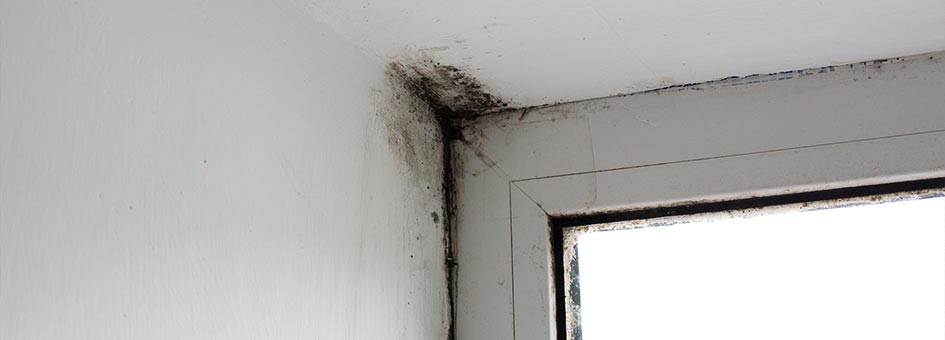
Mold in Rental Properties in Indian Harbour Beach: What Homeowners in Brevard County Should Know
Rental properties in Indian Harbour Beach face unique mold challenges. Coastal humidity, salt air, frequent storms, and year-round air conditioning create conditions where moisture can linger long after a tenant reports a “small issue.” For owners and property managers, mold concerns aren’t just about fixing a spot on a wall—they’re about understanding why moisture is present, where it’s hiding, and how to keep problems from recurring between tenants.
Whether you own a single condo or manage multiple rentals, knowing how mold develops in Indian Harbour Beach properties helps protect the building, maintain tenant comfort, and avoid repeated turnover issues tied to lingering odors or moisture.
Why Mold Is Common in Indian Harbour Beach Rentals
Beachside rentals experience constant moisture pressure—even when no flooding or obvious leaks occur. Homes are often closed up between occupants, AC settings change with each tenant, and salty air slowly affects seals and flashing.
Local conditions that raise mold risk include:
- Persistent coastal humidity
- Wind-driven rain during storms
- Salt air degrading window and door seals
- Long AC run times creating condensation
- Slab foundations common in the area
- Periods of vacancy with reduced airflow
In rentals, small changes in use patterns can have outsized effects on moisture.
How Mold Develops in Rental Properties
Mold in rentals typically develops gradually, not after one dramatic event.
A common sequence looks like this:
- Humid air or minor water intrusion introduces moisture
- Surfaces dry, but materials behind them remain damp
- Airflow is limited during vacancy or low AC use
- Mold begins growing behind walls, under floors, or in attics
- Odors or visible mold appear during the next tenancy
By the time a tenant reports an issue, moisture may have been present for weeks.
Vacancies: A Major Mold Risk in Rentals
Vacancy periods are one of the biggest mold triggers in Indian Harbour Beach rentals.
During vacancy:
- AC systems may be turned off or set too high
- Indoor humidity rises quickly
- Materials don’t dry properly
- Musty odors develop
A unit that felt fine during move-out can smell musty by the next showing if humidity isn’t controlled.
Common Mold Locations in Rental Units
Mold in rentals often shows up in predictable places where moisture and limited airflow overlap.
High-risk areas include:
- Bathrooms and bathroom ceilings
- Behind drywall near plumbing
- Beneath laminate or vinyl flooring
- Around HVAC air handlers and vents
- Attics after storms
- Closets on exterior walls
Visible mold is often only part of the issue—hidden growth is common.
Bathrooms and Tenant Use Patterns
Bathrooms are the most frequent mold complaint in rentals.
Issues increase when:
- Exhaust fans aren’t used consistently
- Fans are undersized or vent improperly
- Doors remain closed after showers
- Steam lingers on ceilings and walls
Bathroom mold in rentals is usually a ventilation issue, not a cleaning issue.
HVAC Systems and Rental Mold Concerns
HVAC systems play a major role in rental mold problems.
Common contributors include:
- Condensate drain line clogs
- Standing water in drain pans
- Coils that stay damp between cycles
- Condensation forming around vents
Because HVAC systems circulate air, mold here can spread odors and spores throughout a unit.
Slab Foundations and Under-Floor Mold
Most Indian Harbour Beach rentals are built on slab foundations. Moisture can migrate upward and become trapped beneath flooring.
This can lead to:
- Musty odors without visible mold
- Mold under floors discovered during turnover
- Repeat complaints despite surface cleaning
Under-floor moisture is a frequent cause of recurring issues between tenants.
Attics and Storm-Related Mold
Attics are another common source of mold complaints—especially after storms.
Attic mold often develops from:
- Wind-driven rain entering small gaps
- Damaged flashing or roof vents
- Bathroom fans venting into attics
- Insulation drying very slowly
Because attics aren’t checked during routine turnovers, mold can spread unnoticed.
Why DIY Cleanup Between Tenants Often Fails
Quick cleanups during turnover rarely solve mold problems.
DIY efforts fail because:
- Mold roots remain in porous materials
- Moisture sources aren’t corrected
- Hidden growth is missed
- Cleaning adds moisture
- Odors return shortly after re-occupancy
This leads to repeat complaints and accelerated wear on finishes.
Warning Signs of Mold Issues in Rentals
Owners and managers often see early clues before tenants complain.
Watch for:
- Musty odors during showings
- Mold that reappears after cleaning
- Peeling paint or bubbling drywall
- Condensation around vents or windows
- Increased humidity during vacancy
These signs usually point to moisture imbalance, not housekeeping.
The Role of Professional Mold Inspections for Rentals
A professional mold inspection focuses on conditions, not blame.
An inspection may include:
- Moisture readings in walls and floors
- HVAC system evaluation
- Attic inspection for storm-related moisture
- Identification of hidden damp areas
- Clear explanation of why mold developed
This helps owners decide what truly needs attention before re-renting.
Brevard Mold Inspections & Removal works with Indian Harbour Beach property owners to evaluate mold conditions calmly and clearly, focusing on moisture behavior, building conditions, and long-term prevention rather than quick cosmetic fixes.
Mold Testing in Rental Properties
Mold testing isn’t always necessary, but it can help when:
- Odors persist without visible mold
- HVAC involvement is suspected
- Hidden growth is likely
- Post-remediation confirmation is needed
Testing is most useful when guided by inspection findings.
Proper Mold Remediation for Rentals
When mold is confirmed, remediation should address both removal and prevention.
A proper approach may include:
- Containment to prevent spore spread
- Removal of contaminated porous materials
- Cleaning remaining surfaces appropriately
- Correcting moisture sources
- Thorough drying and humidity control
Skipping moisture correction is the most common reason rental mold returns.
Preventing Mold Between Tenants
Prevention reduces complaints and turnover delays.
Helpful steps include:
- Keeping AC systems running during vacancy
- Monitoring indoor humidity
- Inspecting bathrooms, HVAC, and attics after storms
- Addressing leaks immediately
- Allowing airflow in closets and storage areas
Consistency between tenants matters more than deep cleaning alone.
Seasonal and Vacation Rentals
Short-term and seasonal rentals face higher mold risk.
Prevention tips include:
- Avoiding complete AC shutdowns
- Scheduling inspections after long vacancies
- Checking for odors before guest arrival
- Monitoring humidity remotely when possible
Vacant coastal homes are especially vulnerable to mold.
Why Local Indian Harbour Beach Experience Matters
Rental mold issues in coastal Florida behave differently than inland properties. Indian Harbour Beach rentals face challenges tied to humidity, salt air, storms, slab construction, and changing occupancy patterns.
Local professionals understand:
- Where moisture commonly hides in beachside rentals
- How vacancy affects drying
- How HVAC systems perform near the ocean
Local experience leads to more accurate assessments and fewer repeat issues.
A Calm, Practical Takeaway for Property Owners
Mold in rental properties in Indian Harbour Beach is common—but it’s manageable when addressed correctly. Most problems develop slowly due to moisture that wasn’t fully controlled, not due to tenant behavior or neglect.
If a rental has recurring odors, repeat mold complaints, or long vacancy periods, a professional inspection can provide clarity. Identifying moisture sources early and correcting them is the most effective way to protect your investment, reduce turnover delays, and maintain comfortable rentals in Brevard County’s coastal environment.