
Mold Testing in Indian Harbour Beach: What Homeowners in Brevard County Should Know
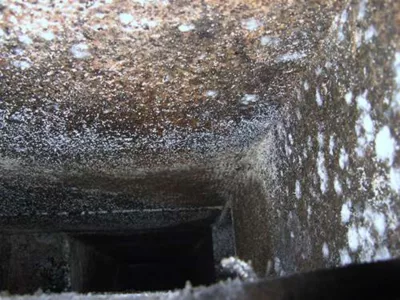
Living in Indian Harbour Beach means living steps away from the Atlantic. The ocean breeze is a perk. The humidity that comes with it? Not always.
In coastal Brevard County communities like Indian Harbour Beach, Satellite Beach, and Cocoa Beach, moisture is a constant factor. Between salty air, wind-driven rain, heavy summer storms, and AC systems running almost year-round, mold concerns are something many homeowners eventually face.
When people call about mold testing, it’s usually not because they see something dramatic. It’s because they want clarity.
Maybe there’s a musty smell that won’t go away. Maybe there was a roof leak during storm season. Maybe you’re buying or selling a home and want peace of mind.
Let’s walk through what mold testing really means for homeowners in Indian Harbour Beach — and what you should expect.
Why Mold Concerns Are Common in Coastal Brevard County
Indian Harbour Beach homes deal with a few unique environmental pressures.
Coastal Humidity
Outdoor humidity levels regularly exceed 70%. Even when the temperature feels mild, moisture stays present in the air.
When indoor humidity rises above 60% for extended periods, mold growth becomes possible.
Wind-Driven Rain
During tropical systems and afternoon storms, wind pushes water sideways into small gaps around windows, roof penetrations, and soffits.
AC-Dependent Living
Homes across Indian Harbour Beach, Melbourne, Palm Bay, Rockledge, Titusville, Merritt Island, Viera, and Cape Canaveral rely heavily on air conditioning to manage indoor comfort.
If systems short cycle, develop clogged drain lines, or have airflow imbalances, moisture can accumulate inside walls, attics, or HVAC systems.
Mold testing often becomes necessary after one of these moisture events.
What Mold Testing Actually Is
Mold testing is a way to determine whether mold spores are elevated inside a home compared to normal outdoor Florida levels.
It can help answer questions like:
- Is there hidden mold growth?
- Are indoor spore levels higher than outside?
- Did a previous remediation work?
- Is a musty odor mold-related?
It’s important to understand: mold spores exist naturally outdoors in Brevard County. The goal is not to create a sterile home. The goal is to ensure indoor conditions are balanced and normal.
When Mold Testing Makes Sense
Not every situation requires testing.
Mold testing is most helpful when:
- You smell persistent musty odors
- There was recent water damage
- You’re preparing to buy or sell a property
- There’s no visible mold but indoor air feels damp
- You want post-remediation verification
If mold growth is clearly visible and extensive, removal and moisture correction may be the priority rather than testing first.
In Indian Harbour Beach homes, attic moisture and HVAC condensation issues are common triggers for testing.
Signs That May Prompt Mold Testing
Homeowners often notice subtle changes before requesting testing.
Common signs include:
- Musty or earthy odors
- Dark staining in attic spaces
- Condensation on windows
- Peeling paint near ceilings
- Warped baseboards
- AC running constantly but home feels humid
In coastal homes, attic sheathing staining due to high humidity is particularly common.
Testing helps determine whether the issue is simply humidity — or active mold growth.
The Mold Testing Process Explained
At Brevard Mold Inspections & Removal, testing begins with inspection — not immediate sampling.
1. Visual Assessment
We examine:
- Attics
- HVAC systems
- Areas with past water intrusion
- Bathrooms
- Around windows and roof penetrations
Staining patterns and ventilation conditions often reveal moisture sources.
2. Moisture Detection
Using professional moisture meters, we check drywall, wood framing, insulation, and subflooring.
Hidden elevated readings suggest areas where mold may be developing.
3. Humidity Measurement
We measure indoor relative humidity. Consistent readings above 60% indicate conditions that support mold growth.
4. Air Sampling (If Indicated)
Air samples compare indoor spore levels to outdoor baseline levels.
In Florida, outdoor mold is normal. Elevated indoor levels suggest an indoor source.
Samples are analyzed by a laboratory, and results are explained clearly — without overwhelming technical detail.
Why DIY Mold Test Kits Can Be Misleading
Hardware store test kits often involve exposing a plate and waiting for mold to grow.
In Brevard County, those plates almost always grow something — because mold spores are naturally present in the air.
Without outdoor comparison samples and professional interpretation, results can cause unnecessary alarm.
Professional testing provides context.
It answers not just “Is there mold?” but “Is it elevated indoors compared to outdoors?”
What Happens If Mold Is Found?
If testing confirms elevated mold levels, the next step is identifying and correcting the moisture source.
That may involve:
- Repairing roof leaks
- Improving attic ventilation
- Servicing HVAC systems
- Clearing clogged condensate lines
- Addressing plumbing leaks
- Reducing indoor humidity
If active growth is present, remediation may be recommended.
Proper remediation includes containment, HEPA air filtration, removal of contaminated materials when necessary, and moisture verification.
The key is moisture correction. Without it, mold can return.
Preventing Mold in Indian Harbour Beach Homes
Coastal homes require proactive moisture management.
Homeowners can reduce mold risk by:
- Keeping indoor humidity between 45–55%
- Scheduling annual AC maintenance
- Inspecting attics before and after storm season
- Flushing AC drain lines regularly
- Ensuring bathroom fans vent outdoors
- Addressing roof damage promptly
- Monitoring for musty odors
Wind-driven rain and salt exposure mean inspections should be routine.
Prevention is more effective than reaction.
Why Local Experience in Brevard County Matters
Mold testing in Indian Harbour Beach is different from testing in dry inland climates.
Coastal homes experience:
- Salt exposure
- Elevated humidity
- Hurricane-driven rain
- High attic heat loads
- AC-heavy airflow systems
Homes in inland Titusville or Viera may behave differently than those along the coast.
Brevard Mold Inspections & Removal has inspected properties throughout Indian Harbour Beach and surrounding cities. Local experience helps distinguish between normal Florida environmental conditions and active indoor mold problems.
Understanding how coastal construction responds to moisture allows for more accurate evaluations.
A Calm, Practical Next Step
If you’re concerned about mold in your Indian Harbour Beach home, testing can provide clarity.
Most mold concerns in Brevard County are moisture-driven and manageable when addressed early.
A professional inspection identifies whether indoor mold levels are elevated and explains practical next steps.
If you’d like experienced local guidance tailored to Indian Harbour Beach’s coastal conditions, Brevard Mold Inspections & Removal is here to help — calmly, clearly, and without pressure.
Moisture awareness is the foundation of mold prevention. Testing simply confirms what your home may already be telling you.