
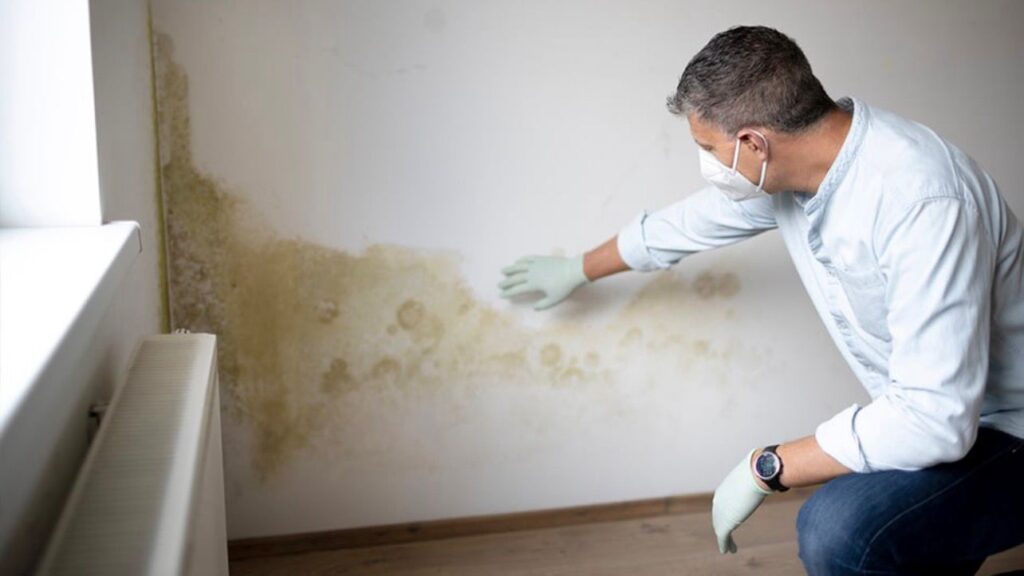
Mold Removal in Cape Canaveral: What Homeowners in Brevard County Should Know
Living in Cape Canaveral means living close to the water — and while that coastal lifestyle is beautiful, it also brings constant exposure to humidity, salt air, heavy rain, and hurricane season.
In Brevard County, mold removal isn’t uncommon. It’s not a sign of neglect. It’s often simply the result of Florida’s climate meeting a moisture issue that wasn’t caught early.
If you’ve discovered mold in your Cape Canaveral home, the most important thing to know is this:
Mold removal works when the moisture source is properly addressed.
Let’s walk through what homeowners in Cape Canaveral — and across Cocoa Beach, Satellite Beach, Merritt Island, Melbourne, Palm Bay, Rockledge, Titusville, and Viera — should realistically understand about mold removal.
Why Mold Problems Are Common in Cape Canaveral
Coastal Brevard County homes deal with unique environmental pressures.
Constant Humidity
Outdoor humidity often stays above 70%. If indoor humidity rises above 60% for extended periods, mold growth becomes possible.
Wind-Driven Rain
Storms push water sideways into small openings around windows, roof penetrations, and soffits.
Salt Air Exposure
Salt accelerates wear on ventilation components and roofing materials, increasing the chance of minor water intrusion.
AC System Dependence
Air conditioning runs nearly year-round. If drain lines clog or airflow becomes unbalanced, condensation builds up.
Slab Foundations
Many Cape Canaveral homes are built on slab. Plumbing leaks can trap moisture under flooring.
Mold removal begins with identifying which of these conditions contributed to the problem.
What Mold Removal Actually Involves
Mold removal is not simply wiping down visible growth.
Proper removal includes:
- Identifying the moisture source
- Containing affected areas
- Removing contaminated materials
- Cleaning structural components
- Verifying dry conditions
The goal is restoring normal indoor conditions — not eliminating all mold from the environment, which isn’t realistic in Florida.
Mold spores exist outdoors naturally. Indoor levels should simply match typical outdoor conditions.
When Mold Removal Is Necessary
Not every mold situation requires major remediation.
Removal is usually necessary when:
- Growth covers more than a small isolated area
- Drywall, insulation, or wood framing is affected
- There is persistent musty odor
- Moisture intrusion has been ongoing
- Air testing shows elevated indoor spore levels
In Cape Canaveral homes, attic-related mold and HVAC-related mold are especially common due to humidity buildup.
Common Areas Where Mold Is Removed
During inspections across Brevard County, we frequently remove mold from:
Attics
Poor ventilation traps humid air. Roof leaks accelerate growth on roof sheathing and rafters.
HVAC Systems
Evaporator coils, drain pans, and duct insulation can harbor mold when condensation accumulates.
Behind Drywall
Slow plumbing leaks create hidden moisture pockets.
Under Flooring
Slab homes in Palm Bay and Cape Canaveral often trap moisture beneath tile or laminate after leaks.
Bathrooms
Improperly vented exhaust fans allow humidity to linger above ceilings.
Each home’s layout and age influence where removal may be required.
The Mold Removal Process Step by Step
At Brevard Mold Inspections & Removal, removal follows a structured process.
1. Inspection and Moisture Detection
We begin by identifying:
- The source of moisture
- The extent of growth
- Areas of hidden dampness
- Humidity levels
Moisture mapping guides the scope of work.
2. Containment
Affected areas are isolated using physical barriers and negative air pressure systems.
HEPA filtration captures airborne spores during removal.
Containment prevents spread to unaffected areas.
3. Removal of Contaminated Materials
Porous materials such as:
- Drywall
- Insulation
- Carpet padding
… may require removal if heavily affected.
Semi-porous or non-porous materials are cleaned using appropriate methods.
4. Cleaning and Air Filtration
HEPA air scrubbers operate during removal.
Structural framing and surfaces are cleaned to remove residual contamination.
5. Moisture Correction and Verification
After removal, moisture levels are rechecked.
Without correcting the source — whether roof leaks, plumbing issues, ventilation imbalance, or AC condensation — mold can return.
Moisture correction is the foundation of successful removal.
Why DIY Mold Removal Often Falls Short
Homeowners sometimes try:
- Spraying bleach
- Scrubbing visible mold
- Painting over stains
- Using fogging sprays
Bleach may lighten discoloration but does not penetrate porous materials effectively.
Painting over mold does not eliminate it.
Fogging without containment can disturb spores and spread them.
Most importantly, DIY approaches often miss hidden moisture sources.
Professional removal focuses on both contamination and cause.
Preventing Mold After Removal
Prevention in Cape Canaveral revolves around moisture control.
Homeowners can reduce recurrence by:
- Keeping indoor humidity between 45–55%
- Scheduling annual AC maintenance
- Flushing condensate drain lines
- Inspecting attics before and after storm season
- Addressing roof leaks promptly
- Ensuring bathroom fans vent outdoors
- Monitoring for musty odors
Florida’s climate requires ongoing attention to humidity.
Consistent maintenance is more effective than reactive fixes.
Why Local Experience in Cape Canaveral Matters
Mold removal in Cape Canaveral differs from removal in dry inland climates.
Coastal homes face:
- Salt exposure
- Wind-driven rain
- Hurricane vulnerability
- Elevated attic heat
- AC-heavy airflow systems
Homes in Merritt Island or Rockledge may experience different moisture dynamics than those directly on the coast.
Understanding Brevard County construction styles, roofing systems, and ventilation patterns helps identify root causes accurately.
Brevard Mold Inspections & Removal has worked extensively throughout Cape Canaveral and surrounding communities. Local familiarity ensures that removal plans match Florida-specific conditions.
A Calm, Practical Next Step
If you’ve discovered mold in your Cape Canaveral home, start with evaluation — not assumptions.
Most mold issues in Brevard County are moisture-driven and manageable when addressed properly.
A professional inspection can determine:
- The extent of growth
- The moisture source
- Whether removal is necessary
- What preventative steps are needed
If you’d like experienced local guidance tailored to Cape Canaveral’s coastal environment, Brevard Mold Inspections & Removal is here to help — calmly, clearly, and without pressure.
Moisture drives mold. Correct the moisture, remove the contamination, and maintain balanced indoor humidity. That’s the path to long-term protection in Florida homes.