
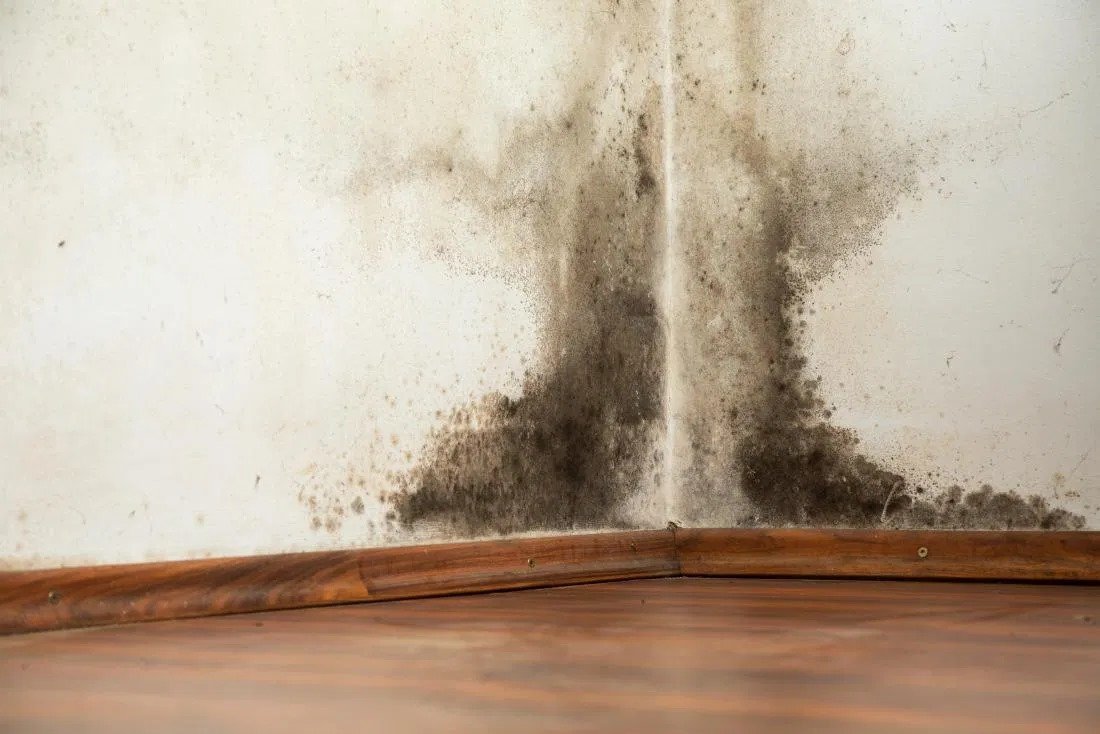
Hidden Mold Problems in West Melbourne: What Homeowners in Brevard County Should Know
Hidden mold problems are far more common than most homeowners realize in West Melbourne. Many homes look clean, smell fine most days, and show no obvious water damage—yet mold is growing quietly behind walls, above ceilings, or under floors. When symptoms finally appear, homeowners are often surprised by how widespread the issue has become.
In Brevard County’s humid environment, hidden mold is usually not caused by neglect or major flooding. It develops because moisture behaves differently here. Understanding where hidden mold forms, why it goes unnoticed, and how to deal with it properly helps homeowners avoid repeated repairs and long-term damage.
What Hidden Mold Actually Means
Hidden mold is mold growth that develops out of sight. It isn’t visible on walls or ceilings and often doesn’t show obvious surface damage right away.
Common hidden locations include:
- Behind drywall
- Inside wall cavities
- Under flooring and carpet padding
- Above ceilings
- Inside HVAC systems
- In attics and crawl spaces
Because these areas aren’t regularly inspected, mold can grow for months before anyone realizes it’s there.
Why Hidden Mold Is Common in West Melbourne
West Melbourne homes face constant humidity, frequent rain, and long cooling seasons. Even without major leaks, moisture can accumulate slowly.
Air conditioning systems run most of the year and naturally create condensation. Small issues like partially clogged drain lines, dirty coils, or restricted airflow can introduce moisture into walls and ceilings.
Storms add another layer of risk. Wind-driven rain can enter through roofs, windows, or exterior penetrations without leaving immediate stains. In many cases, moisture spreads internally before becoming visible.
Because drying happens slowly in Florida, materials often stay damp long enough for mold to establish itself quietly.
Common Sources of Hidden Moisture
Hidden mold almost always starts with hidden moisture.
Small plumbing leaks behind walls or under sinks are frequent culprits. These leaks may drip slowly and never reach visible surfaces.
Roof leaks can soak insulation and framing long before ceiling stains appear. Even minor damage can allow repeated moisture intrusion during storms.
HVAC systems are another major source. Condensation inside air handlers, drain pans, or ductwork can affect surrounding materials without being noticed.
High indoor humidity alone can also drive hidden mold, especially in poorly ventilated areas or rooms with limited airflow.
Why Mold Grows Behind Drywall
Drywall is porous and absorbs moisture easily. Once moisture enters, drywall dries slowly—especially in humid conditions.
Water can travel inside wall cavities through gravity or airflow, spreading moisture beyond the original source. Mold often grows on the back side of drywall, where it’s invisible from the room.
This is why walls can look perfectly fine while mold grows extensively behind them.
Flooring and Hidden Mold Risks
Flooring systems are another common hiding place.
Carpet padding absorbs water quickly and holds it against subfloors. Laminate and vinyl flooring can trap moisture underneath even when surfaces look dry.
Bathrooms, kitchens, laundry rooms, and areas near exterior doors are especially vulnerable. Once mold starts under flooring, odors often appear before visible damage.
Attics and Ceiling Cavities
Hidden mold frequently develops above ceilings.
Attics can collect moisture from roof leaks, poor ventilation, or bathroom exhaust fans venting into attic spaces. Mold often grows on roof decking and framing long before ceiling damage appears.
Warm, humid air from living spaces rises and condenses on cooler surfaces above. Over time, repeated condensation supports mold growth without obvious interior signs.
HVAC Systems as a Hidden Mold Pathway
HVAC systems are one of the most overlooked contributors to hidden mold.
Air handlers, drain pans, coils, and internal insulation deal with condensation constantly. When drainage is compromised or airflow is restricted, moisture remains inside the system.
Mold inside HVAC systems can spread odors and spores throughout the home, making the problem feel widespread even when the source is hidden.
Visible mold near vents is often a symptom, not the source.
Early Signs of Hidden Mold Problems
Hidden mold rarely announces itself clearly at first.
Musty or earthy odors are often the earliest sign, especially after rain or when the AC runs.
Some rooms may feel more humid, uncomfortable, or stale compared to others. Odors may come and go depending on weather or HVAC use.
Peeling paint, bubbling drywall, warped baseboards, or recurring surface mold can all indicate moisture behind surfaces.
These signs often appear long before mold becomes visible.
Why Hidden Mold Is Often Missed
Homeowners naturally focus on what they can see. If walls and ceilings look fine, mold isn’t usually suspected.
Hidden mold doesn’t always cause immediate structural damage or leaks. Without tools like moisture meters or thermal imaging, it’s difficult to detect.
Many hidden mold problems are discovered during renovations, real estate inspections, or when persistent odors finally prompt a deeper investigation.
By then, mold has often spread beyond the original moisture source.
Why DIY Efforts Don’t Find Hidden Mold
DIY checks are limited to visible areas.
Surface cleaning, air fresheners, or dehumidifiers may reduce symptoms temporarily but don’t locate hidden moisture or mold.
Without opening walls or using proper detection tools, hidden mold remains untouched. This often leads homeowners to believe the problem is solved—until it returns.
DIY cleanup can also spread spores into the air, especially if mold is disturbed unknowingly.
The Role of a Professional Mold Inspection
A professional mold inspection focuses on moisture patterns, not just visible growth.
Inspectors evaluate:
- Walls, ceilings, and flooring
- Attics and crawl spaces
- HVAC systems
- Areas with past water damage
Moisture meters identify damp materials behind surfaces. Thermal imaging helps locate temperature differences that suggest moisture intrusion.
When appropriate, air or surface sampling may support findings, but inspection always centers on understanding why mold is present.
Brevard Mold Inspections & Removal approaches inspections with a diagnostic, homeowner-focused mindset rather than assumptions.
How Hidden Mold Is Properly Addressed
Addressing hidden mold requires both removal and correction of moisture sources.
Containment prevents spores from spreading when affected areas are opened. Mold-affected materials may be cleaned or removed depending on severity and material type.
Just as important, moisture sources must be corrected—whether that means plumbing repairs, roof repairs, HVAC servicing, ventilation improvements, or humidity control.
Without moisture correction, hidden mold will return even after removal.
Why Ignoring Hidden Mold Makes Things Worse
Hidden mold rarely stays hidden forever.
Moisture spreads, mold expands, and odors intensify. Over time, remediation becomes more invasive and costly.
Early identification limits the scope of work and reduces disruption to the home. Waiting until visible damage appears almost always increases repair needs.
Preventing Hidden Mold in West Melbourne Homes
Prevention focuses on moisture awareness.
Regular HVAC maintenance helps control condensation and humidity. Drain lines, coils, and airflow should be checked consistently.
Leaks—no matter how small—should be repaired promptly, and affected materials should be dried thoroughly.
Attics, bathrooms, and areas with past water damage deserve periodic checks, especially after storms.
Monitoring indoor humidity provides early warning before mold develops.
Why Local Experience in Brevard County Matters
Hidden mold behaves differently in Florida than in dry climates.
West Melbourne homes face high humidity, slab foundations, frequent storms, and long cooling seasons. Local experience helps identify where moisture typically hides and how mold develops here.
Generic advice often underestimates how quietly and quickly hidden mold can grow in Brevard County.
A Calm, Practical Takeaway
Hidden mold problems in West Melbourne are common, but they don’t have to become overwhelming. Mold almost always follows moisture that isn’t visible or isn’t drying properly.
If your home has persistent musty odors, recurring surface mold, or unexplained humidity issues, it’s worth looking deeper. A professional inspection can provide clarity before damage becomes extensive.
Homeowners across Brevard County benefit from understanding what’s happening behind the walls, not just what’s visible. Brevard Mold Inspections & Removal helps homeowners identify hidden mold issues, correct moisture problems, and protect their homes long-term.
When hidden mold is addressed properly, it stops being a mystery—and becomes a manageable building issue with clear solutions.