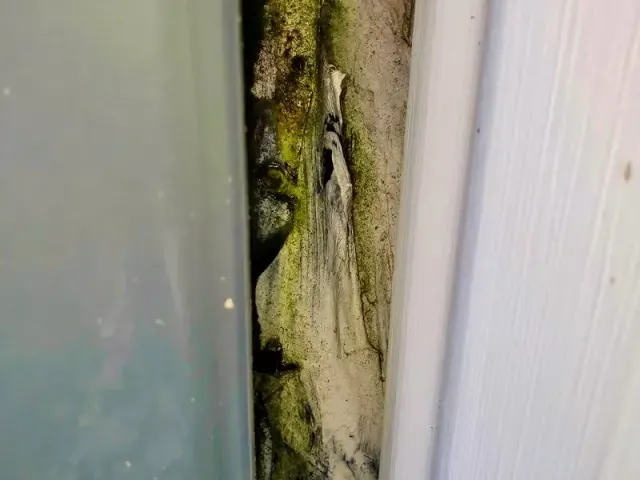
DIY Mold Risks in West Melbourne: What Homeowners in Brevard County Should Know
In West Melbourne, it’s very common for homeowners to try handling mold on their own—especially when it appears as a small patch on a bathroom wall, ceiling corner, or near an air vent. With plenty of cleaning products and online advice available, DIY mold cleanup can feel like a fast, affordable solution. In Brevard County’s humid environment, however, DIY mold efforts often make problems worse instead of better.
This isn’t because homeowners are careless. It’s because mold in West Melbourne homes is usually tied to hidden moisture, condensation, and airflow issues that surface cleaning simply can’t resolve. Understanding the real risks of DIY mold cleanup helps homeowners avoid repeated mold growth, hidden damage, and unnecessary frustration.
Why DIY Mold Cleanup Is So Common in West Melbourne
Most DIY mold cleanup starts with good intentions. The mold looks minor, and the rest of the home seems dry and comfortable.
Homeowners often choose DIY methods because:
- Mold appears small or isolated
- Cleaning products are easy to buy
- Online advice promotes bleach or sprays
- Professional help feels unnecessary early on
- The problem doesn’t seem urgent at first
In West Melbourne’s climate, however, what looks small on the surface often points to a deeper moisture issue.
The Biggest Problem With DIY Mold Cleanup
The biggest risk of DIY mold cleanup is that it focuses on appearance, not conditions.
DIY cleanup typically:
- Removes surface discoloration
- Temporarily improves how the area looks
- Does not remove mold roots
- Does not address moisture
As long as moisture remains, mold almost always comes back.
Bleach and Mold: Why DIY Methods Fail
Bleach is one of the most common DIY mold treatments—and one of the least effective on building materials.
Bleach problems include:
- It doesn’t penetrate drywall, wood, or grout
- It leaves moisture behind
- It kills surface mold but not embedded growth
- It can discolor materials without solving the problem
In Florida’s humidity, bleach often creates a false sense of success while mold continues growing underneath.
How DIY Cleanup Can Spread Mold
Scrubbing mold doesn’t just remove it—it often spreads it.
This happens because:
- Scrubbing disturbs active mold growth
- Spores become airborne
- HVAC systems circulate those spores
- Mold appears in new locations
What starts as a small patch can turn into a whole-home issue after aggressive DIY cleaning.
Hidden Mold: The Risk Homeowners Don’t See
One of the biggest dangers of DIY mold cleanup is hidden mold.
Hidden mold commonly grows:
- Behind drywall
- Under flooring
- Inside wall cavities
- In attics
- Inside HVAC systems
DIY methods rarely address these areas, allowing mold to continue spreading unnoticed.
Humidity Makes DIY Mold Cleanup Short-Lived
West Melbourne homes experience high humidity for much of the year. Even when surfaces look dry, materials often stay damp internally.
This means:
- Cleaned areas don’t dry completely
- Porous materials stay moist
- Mold regrows quickly
Humidity alone can undo DIY cleanup within days or weeks.
DIY Mold Risks in Bathrooms
Bathrooms are the most common place homeowners attempt DIY mold cleanup.
Bathroom DIY efforts fail when:
- Exhaust fans aren’t used consistently
- Fans are undersized or vent improperly
- Steam lingers after showers
- Moisture remains trapped behind walls
Bathroom mold is almost always a ventilation issue—not just a cleaning issue.
DIY Mold Cleanup Around HVAC Systems
DIY cleanup near vents or air handlers is especially risky.
Problems include:
- Mold growing inside ductwork or air handlers
- Cleaning visible vent mold without addressing condensation
- Releasing spores directly into circulating air
HVAC-related mold issues require moisture correction, not surface cleaning.
Attic Mold and DIY Dangers
Attics are one of the worst places for DIY mold cleanup.
DIY attic mold risks include:
- Disturbing widespread mold growth
- Spreading spores into living areas
- Missing roof leaks or ventilation problems
- Safety hazards from heat and limited access
Attic mold almost always requires professional evaluation.
Why DIY Mold Cleanup Leads to Repeat Problems
Many West Melbourne homeowners clean mold multiple times with no lasting results.
This happens because:
- Moisture sources remain active
- Mold roots aren’t removed
- Hidden growth is missed
- Humidity accelerates regrowth
Repeated cleaning wastes time and allows mold to spread further.
DIY Cleanup After Water Damage
DIY cleanup after leaks or storms is especially risky.
After water damage:
- Moisture hides inside walls and floors
- Drying appears complete but isn’t
- Mold develops later
DIY drying often delays proper moisture removal, increasing mold risk.
The False Sense of Security DIY Cleanup Creates
One of the biggest risks of DIY mold cleanup is false reassurance.
When mold disappears visually:
- Homeowners assume the problem is solved
- Moisture continues damaging materials
- Mold spreads out of sight
By the time mold returns, it’s often more extensive.
When DIY Mold Cleanup Is Least Effective
DIY mold cleanup is least effective when:
- Mold keeps returning
- Musty odors persist
- Mold appears in multiple rooms
- HVAC systems are involved
- Water damage occurred previously
These signs usually indicate deeper moisture problems.
The Role of Professional Mold Inspections
A professional mold inspection focuses on why mold is growing, not just where it’s visible.
An inspection may include:
- Moisture readings in walls and floors
- HVAC system evaluation
- Attic inspections
- Identifying hidden moisture pathways
This approach prevents repeated DIY cleanup cycles.
Brevard Mold Inspections & Removal works with West Melbourne homeowners to evaluate mold conditions clearly and explain when DIY efforts are likely to fail due to moisture-related issues.
Mold Testing and DIY Concerns
Mold testing isn’t always needed, but it can help when:
- Mold is suspected but not visible
- Odors persist after cleaning
- HVAC involvement is suspected
- Confirmation is needed after remediation
Testing works best when guided by inspection findings.
What Actually Works Instead of DIY Mold Cleanup
Long-term solutions focus on:
- Identifying and correcting moisture sources
- Proper drying of affected materials
- Removing contaminated porous materials when needed
- Improving ventilation and humidity control
These steps address mold at its source—not just on the surface.
Preventing Mold Without DIY Cleanup Cycles
Prevention reduces the need for repeated cleaning.
Helpful prevention steps include:
- Managing indoor humidity consistently
- Using bathroom exhaust fans properly
- Maintaining HVAC systems
- Addressing leaks immediately
- Inspecting after storms
Prevention is far more effective than repeated DIY cleanup.
Why Local West Melbourne Experience Matters
DIY advice from dry climates doesn’t translate well to Florida. West Melbourne homes face challenges tied to humidity, storms, slab foundations, and long cooling seasons.
Local professionals understand:
- How moisture behaves in West Melbourne homes
- Why DIY methods fail here
- Where mold commonly hides locally
Local experience leads to practical solutions that last.
A Calm, Practical Takeaway for Homeowners
DIY mold cleanup in West Melbourne often creates more problems than it solves—not because homeowners are doing something wrong, but because Florida’s moisture conditions demand a different approach. Mold usually returns when moisture isn’t addressed at its source.
If mold keeps coming back, odors persist, or cleaning doesn’t improve comfort, a professional inspection can provide clarity. Understanding how moisture is affecting your home is the most effective way to stop mold and protect your property in Brevard County’s humid environment.