
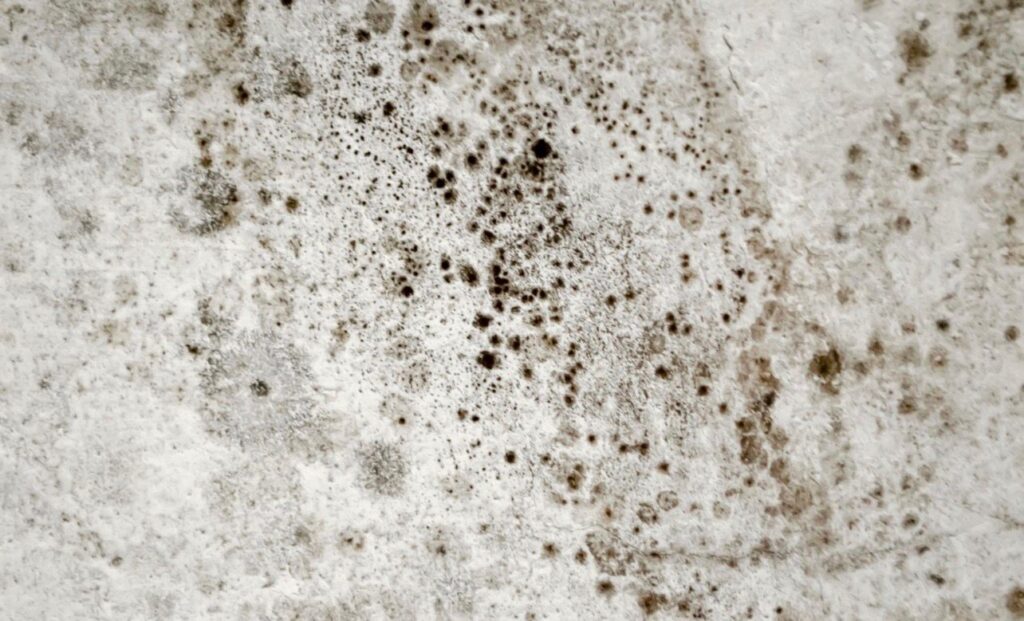
Black Mold in Melbourne: What Homeowners in Brevard County Should Know
If you own a home in Melbourne, you already understand how quickly Florida’s humidity can take over. One week of steady rain, a clogged AC drain line, or a minor roof leak — and suddenly you’re noticing dark staining on a ceiling or a musty odor that won’t go away.
When homeowners hear the term “black mold,” concern naturally follows. It sounds serious. It sounds urgent. And in Brevard County’s climate, it’s not uncommon to encounter dark mold growth in homes.
But here’s the key: understanding what black mold actually is — and what it isn’t — makes all the difference.
Let’s walk through what Melbourne homeowners should realistically know about black mold, how it develops, and what steps make sense in Florida’s coastal environment.
What Is “Black Mold” Really?
“Black mold” is a general term people use to describe dark-colored mold growth.
Many mold species appear black or dark green, especially when growing on drywall, wood, or insulation. One specific species often associated with the term is Stachybotrys chartarum, but it is only one of many molds that can appear dark.
Important things to understand:
- Not all black-colored mold is the same species
- Not all dark mold produces toxins
- The color alone does not determine severity
- Moisture is always the root cause
In Melbourne homes, dark mold typically grows because materials stayed damp — not because something unusual or rare occurred.
The focus should always be on moisture control first.
Why Black Mold Is Common in Melbourne and Brevard County
Brevard County provides ideal conditions for mold growth.
High Humidity
Outdoor humidity levels regularly exceed 70%. If indoor humidity stays above 60% for long periods, mold growth becomes possible.
Long AC Seasons
Homes in Melbourne, Palm Bay, Rockledge, and Viera rely heavily on air conditioning. If AC systems short cycle or struggle with airflow, humidity lingers.
Storm Exposure
Heavy rain and hurricane season affect the entire Space Coast. Even minor roof vulnerabilities allow repeated moisture intrusion.
Coastal Air and Salt Exposure
Homes closer to Satellite Beach, Cocoa Beach, and Cape Canaveral deal with salt-laden air that accelerates wear on ventilation components and roofing materials.
Slab Foundations
Many Melbourne homes are slab construction. Moisture from plumbing leaks or rising damp can become trapped under flooring.
Black mold is rarely random. It almost always follows prolonged moisture.
Where Black Mold Commonly Appears in Melbourne Homes
During inspections throughout Brevard County, we frequently find dark mold growth in predictable areas.
Attics
Attics in Melbourne get extremely hot. If ventilation is insufficient, humid air becomes trapped and condenses on roof sheathing.
Dark spotting on attic wood is very common in high-humidity homes.
Around AC Systems
Air handlers, evaporator coils, and drain pans can harbor mold if condensation builds up.
Bathrooms
Improperly vented exhaust fans allow moisture to accumulate above ceilings.
Behind Drywall
Slow plumbing leaks create hidden moisture pockets inside wall cavities.
Under Flooring
In slab homes, moisture can linger beneath tile or laminate after minor leaks.
Often, homeowners notice odor before they see growth.
Signs Black Mold May Be Present
Homeowners in Melbourne often report:
- Musty smell that doesn’t go away
- Dark staining on ceilings or walls
- Discoloration near baseboards
- Peeling paint
- Excess humidity indoors
- Rust forming on attic nails
In Titusville and Merritt Island homes, attic humidity staining is often one of the earliest indicators.
It’s important to remember: visible mold does not automatically mean widespread contamination. The extent and moisture source matter most.
Health Concerns and Black Mold
When homeowners ask about black mold, they’re often concerned about health.
Common reactions to indoor mold exposure may include:
- Nasal congestion
- Sneezing
- Irritated eyes
- Throat discomfort
- Mild coughing
Some individuals with respiratory sensitivities may notice symptoms more quickly.
However, the presence of black mold does not automatically mean severe health effects.
The goal is not alarm — it’s indoor balance. If indoor mold levels are elevated due to moisture, correcting that moisture typically improves overall comfort.
Why DIY Cleanup Often Falls Short
It’s common for homeowners to try:
- Spraying bleach
- Scrubbing visible spots
- Painting over staining
- Using hardware store test kits
Bleach may lighten surface discoloration but does not penetrate porous materials like wood or drywall effectively.
DIY test kits almost always grow mold in Florida because outdoor air naturally contains spores. Without comparison samples and professional interpretation, results can be misleading.
Surface fixes don’t address hidden moisture.
If the moisture source remains, mold often returns.
How Professional Mold Inspections Work
At Brevard Mold Inspections & Removal, inspections focus on identifying both visible growth and moisture sources.
Visual Assessment
We examine:
- Attics
- HVAC systems
- Areas with past water damage
- Ventilation pathways
- Roof penetrations
Staining patterns often reveal the direction water traveled.
Moisture Detection
Using calibrated moisture meters, we check drywall, framing, and subflooring.
Elevated readings indicate hidden dampness.
Humidity Measurement
Indoor humidity levels are measured to determine whether conditions support mold growth.
Air Sampling (If Indicated)
Air samples compare indoor spore levels to outdoor baseline levels.
In Florida, outdoor mold is normal. Elevated indoor levels suggest indoor growth.
The purpose of testing is clarity — not exaggeration.
What Proper Mold Remediation Involves
If significant mold growth is confirmed, remediation typically includes:
- Containment of affected areas
- HEPA air filtration
- Removal of contaminated materials
- Cleaning structural components
- Post-remediation moisture verification
Equally important is correcting the moisture source.
This may involve:
- Repairing roof leaks
- Improving attic ventilation
- Servicing HVAC systems
- Addressing plumbing leaks
- Reducing indoor humidity
Without moisture correction, mold can return.
Preventing Black Mold in Melbourne Homes
Prevention focuses on moisture control.
Homeowners across Melbourne and Brevard County can:
- Maintain indoor humidity between 45–55%
- Schedule annual AC maintenance
- Flush condensate drain lines
- Inspect attics before and after storm season
- Ensure bathroom fans vent outdoors
- Address leaks immediately
- Monitor for musty odors
Small maintenance habits prevent larger problems.
Florida homes require consistent moisture management.
Why Local Experience Matters
Mold behaves differently in Melbourne than in dry inland climates.
Our region experiences:
- High humidity
- Coastal wind exposure
- Hurricane-driven rain
- Slab construction
- AC-heavy airflow patterns
Homes in Palm Bay may face different ventilation dynamics than those near Cocoa Beach.
Brevard Mold Inspections & Removal has inspected homes throughout Melbourne and surrounding cities. Local experience allows for accurate evaluation of Florida-specific moisture patterns.
Understanding how Brevard County homes are built — and how our climate behaves — leads to more practical solutions.
A Calm, Practical Next Step
If you’ve noticed dark mold growth in your Melbourne home, the next step isn’t panic — it’s inspection.
Most mold issues in Brevard County are moisture-related and manageable when addressed early.
A professional assessment identifies:
- Whether mold levels are elevated
- Where moisture is coming from
- What steps are needed to correct it
If you’d like experienced, local guidance tailored to Melbourne’s climate and building styles, Brevard Mold Inspections & Removal is here to help — calmly, clearly, and without pressure.
Moisture control is the foundation of mold prevention. And in Florida, staying proactive always pays off.