
Mold Inspection in Melbourne: What Homeowners in Brevard County Should Know
If you own a home in Melbourne, mold inspections are not an unusual part of homeownership. Between high humidity, heavy seasonal rain, and year-round air conditioning, moisture problems can develop quietly in many Brevard County homes. Often, homeowners only learn about mold after noticing an odor, a stain, or an issue discovered during a real estate transaction.
A clear understanding of how mold behaves locally, what a professional inspection actually involves, and when to take action can help homeowners protect their property and avoid unnecessary repairs.
Understanding Mold in Melbourne Homes
Mold is a natural organism found everywhere in the environment. Outdoors, it’s harmless and expected. Indoors, it becomes a concern when moisture allows it to grow on building materials.
In Melbourne homes, mold commonly affects drywall, wood framing, insulation, flooring, and HVAC components. Flooding is not required. Elevated humidity, condensation, or slow leaks can be enough to support growth.
Because mold often develops in hidden spaces—behind walls, above ceilings, or under flooring—it can remain unnoticed for long periods. By the time visible signs appear, the underlying moisture problem may have been present for months.
Why Mold Is Common in Melbourne and Brevard County
Brevard County presents several conditions that make mold more likely.
Humidity is the biggest factor. Even during cooler months, outdoor humidity levels often remain high. When humid air enters a home and becomes trapped, moisture accumulates in materials that don’t dry easily.
Melbourne also experiences frequent heavy rain, tropical storms, and occasional hurricanes. Roof damage, window leaks, and wind-driven rain can introduce moisture that may not be immediately visible. Many homes in the area are built on slab foundations, which can trap moisture beneath flooring after leaks or flooding.
Air conditioning systems are another common contributor. While AC units remove humidity from indoor air, condensation lines, drain pans, and ductwork can fail or overflow. In newer, tightly sealed homes, reduced natural airflow can allow moisture to linger if ventilation is not properly balanced.
Common Signs That Lead to a Mold Inspection
Homeowners often notice subtle warning signs before mold becomes obvious.
A persistent musty or earthy odor is one of the most common indicators. Many Melbourne homeowners notice it when the air conditioning runs or after returning home from being away.
Visual signs may include discoloration on ceilings, walls, baseboards, or near vents. Bathrooms, laundry rooms, and kitchens are frequent areas of concern because they generate moisture daily.
Some homeowners notice increased discomfort while inside the home, such as irritation or congestion. While reactions vary, these changes often prompt further investigation.
Physical damage like peeling paint, bubbling drywall, or warped flooring can also signal prolonged moisture exposure.
Hidden Mold Sources Found During Inspections
Professional inspections in Melbourne frequently uncover mold in areas homeowners don’t see during normal use of the home.
Behind walls, small plumbing leaks or roof penetrations can allow moisture to saturate drywall and insulation without surface damage. Under flooring, trapped moisture from appliance leaks or minor flooding can create ideal conditions for growth.
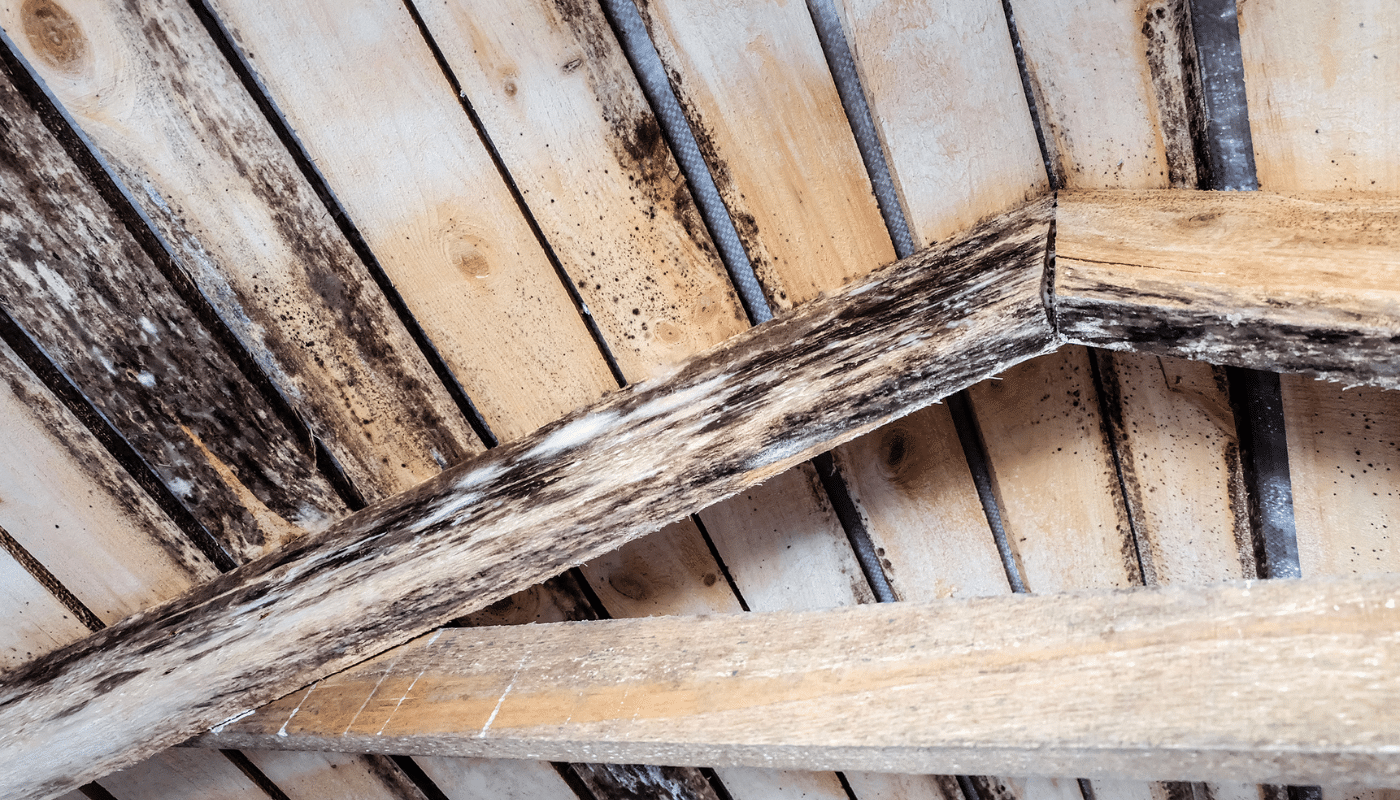
Attics are a common problem area due to roof leaks, heat buildup, and ventilation issues. In older Melbourne homes, attic mold is often present even when interior living areas appear unaffected.
HVAC systems can also harbor mold when condensation problems exist. Mold inside air handlers or ductwork can circulate throughout the home if left unaddressed.
Past water damage that was never fully dried or properly repaired can remain a long-term moisture source.
Why DIY Mold Cleanup Often Fails
Many homeowners attempt to handle mold themselves using household cleaners.
Surface cleaning may remove visible staining, but it does not address mold growing inside porous materials such as drywall or wood. In some cases, scrubbing can release spores into the air and spread them to other areas of the home.
Ignoring mold allows moisture to remain, which means growth continues. In Brevard County’s climate, conditions rarely improve on their own.
Without identifying and correcting the moisture source, repeated cleanup efforts often lead to recurring problems.
What a Professional Mold Inspection Involves
A professional mold inspection begins with a detailed visual evaluation of the home, focusing on moisture-prone areas like bathrooms, kitchens, attics, HVAC systems, and exterior walls.
Moisture meters and thermal imaging tools may be used to locate hidden dampness behind walls or beneath flooring. These tools help identify problems that aren’t visible to the naked eye.
When appropriate, air or surface samples may be collected and sent to an independent laboratory for analysis. Lab results provide objective information about the type and level of mold present.
The goal of an inspection is clarity—understanding where mold exists, why it’s occurring, and what level of response is appropriate.
Local companies such as Brevard Mold Inspections & Removal focus on explaining findings in plain language so homeowners can make informed decisions.
Mold Removal and Remediation Overview
Proper mold remediation involves more than removing visible growth.
Containment measures are used to prevent spores from spreading during cleanup. Affected materials are cleaned or removed depending on the extent of contamination and the type of surface involved.
Correcting the moisture source is essential. This may involve plumbing repairs, roof repairs, HVAC adjustments, or ventilation improvements.
Effective remediation addresses both the mold and the conditions that allowed it to grow, reducing the likelihood of future issues.
Preventing Mold in Melbourne Homes
Mold prevention in Melbourne centers on moisture management.
Regular air conditioning maintenance helps prevent condensation problems. Drain lines should be kept clear, filters replaced, and indoor humidity monitored.
Bathrooms and laundry rooms should have working exhaust fans that vent outdoors. After storms, homeowners should inspect ceilings, windows, and floors for early signs of leaks.
Attics benefit from proper insulation and ventilation to limit heat and moisture buildup.
Addressing moisture early is far easier and less costly than dealing with advanced mold growth.
Why Local Experience Matters
Mold behavior and building conditions vary by region. Melbourne homes face unique challenges related to humidity, storm exposure, and construction style.
Local experience means understanding slab foundations, coastal weather patterns, and Florida-specific HVAC systems. Professionals familiar with Brevard County know where mold is most likely to appear and how to assess it accurately.
A Practical Next Step for Melbourne Homeowners
If you suspect mold or want peace of mind after a leak or storm, a professional inspection can provide clear answers without pressure.
A thorough, locally informed inspection helps homeowners understand what’s happening in their home and what steps—if any—are needed next.