
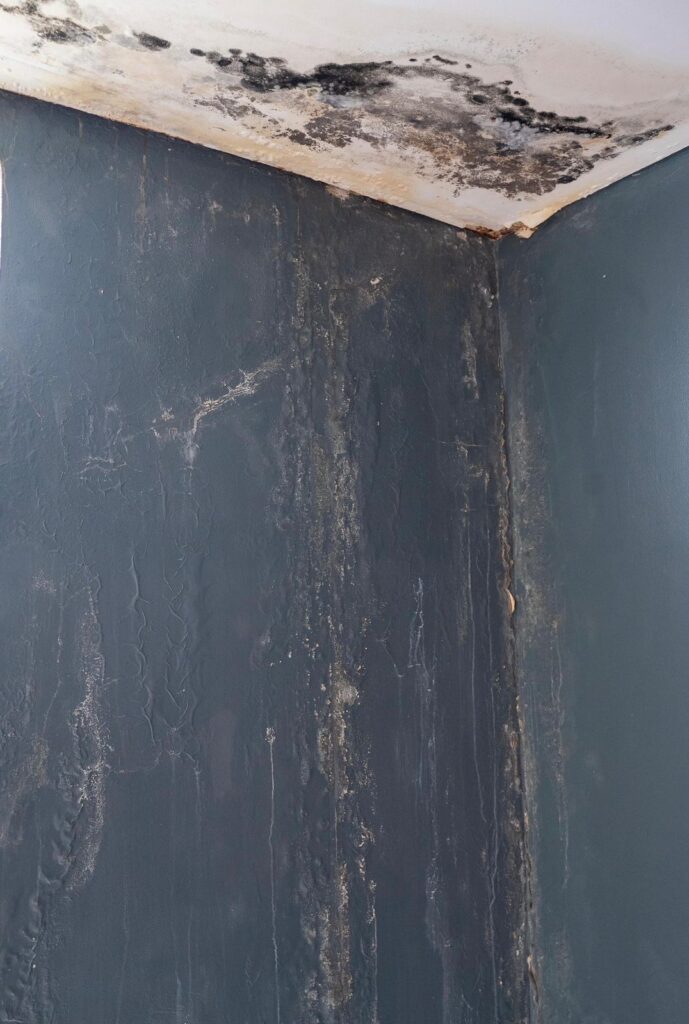
Toxic Mold in Palm Bay: What Homeowners in Brevard County Should Know
If you’ve lived in Palm Bay for any length of time, you already understand one thing: humidity is constant. Between long summers, heavy afternoon rain, and AC systems running most of the year, moisture is simply part of life in Brevard County.
So when homeowners hear the phrase “toxic mold,” it immediately raises concern.
The truth is, mold issues in Florida homes are common. But understanding what “toxic mold” really means — and what it doesn’t mean — is important. Let’s break it down calmly, clearly, and in a way that makes sense for homeowners in Palm Bay, Melbourne, Rockledge, Titusville, Merritt Island, Cocoa, Viera, Satellite Beach, Cocoa Beach, and Cape Canaveral.
What Does “Toxic Mold” Actually Mean?
The term “toxic mold” is widely used, but it’s often misunderstood.
Certain mold species can produce compounds called mycotoxins under specific conditions. One of the more commonly referenced species is Stachybotrys chartarum, sometimes called “black mold.”
However, several important points matter:
- Not all dark-colored mold is toxic
- Not all mold produces toxins
- The presence of mold does not automatically mean dangerous conditions
- Moisture is always the root cause
In Florida homes, mold growth most often develops because of prolonged moisture — not because of rare or unusual contamination.
The focus should always be on moisture control and proper remediation, not on alarming labels.
Why Mold Issues Are Common in Palm Bay
Palm Bay’s climate creates consistent mold-friendly conditions.
High Humidity
Outdoor humidity frequently exceeds 70%. If indoor humidity remains above 60% for extended periods, mold growth becomes possible.
AC-Dependent Living
Homes across Palm Bay and Melbourne rely heavily on air conditioning. If systems short cycle, have clogged drain lines, or poor airflow balance, moisture remains inside.
Storm Season
Heavy rainfall and hurricane exposure affect homes from Titusville to Satellite Beach. Even minor roof leaks or window seal failures can introduce moisture into walls or attics.
Slab Construction
Many Palm Bay homes are slab foundations. Plumbing leaks beneath flooring can trap moisture under tile or laminate.
Mold growth in Brevard County is rarely mysterious. It’s usually tied directly to moisture that wasn’t corrected.
When Does Mold Become a Concern?
Mold becomes a concern when:
- It grows indoors due to excess moisture
- It spreads beyond a small, contained area
- It affects indoor air quality
- It continues returning after cleaning
Homeowners in Rockledge and Viera often report musty odors before they see visible growth. Odor is frequently the first indicator.
Visible signs may include:
- Dark staining on drywall
- Spotting on attic sheathing
- Discoloration near baseboards
- Peeling paint
- Warped trim
- Condensation around vents
It’s important to stay objective. Mold presence alone does not define severity. The moisture source and extent of growth matter most.
Health Concerns and Mold Exposure
Most mold-related health complaints involve irritation symptoms such as:
- Nasal congestion
- Sneezing
- Watery eyes
- Throat irritation
- Mild coughing
Some individuals with respiratory sensitivities may notice stronger reactions.
It’s important not to jump to worst-case conclusions. Mold exposure does not automatically mean serious illness. However, persistent moisture and indoor mold growth can contribute to uncomfortable indoor environments.
If indoor comfort changes — especially if symptoms improve outside the home — it’s reasonable to investigate.
Where “Toxic Mold” Commonly Grows in Palm Bay Homes
When we inspect homes across Brevard County, growth tied to excess moisture often appears in:
Attics
Poor ventilation traps humid air. Roof leaks accelerate growth.
HVAC Systems
Evaporator coils, drain pans, and duct insulation can harbor mold if condensation builds up.
Behind Drywall
Slow plumbing leaks can create hidden growth inside wall cavities.
Under Flooring
Moisture trapped beneath laminate or tile is common in slab homes.
Bathrooms
Improper ventilation allows humidity to linger.
In Palm Bay, attic-related mold growth is particularly common due to heat and humidity buildup.
Why DIY Mold Testing and Cleanup Can Be Misleading
Many homeowners try:
- DIY mold test plates
- Spraying bleach on visible spots
- Painting over staining
- Running small dehumidifiers
DIY plates almost always grow mold in Florida because outdoor air naturally contains spores. Without comparison sampling and professional interpretation, results can cause unnecessary alarm.
Bleach may lighten surface staining but does not address moisture inside porous materials.
If the source of moisture remains, mold often returns.
The key question is not “Is there mold?” It’s “Why is moisture present?”
How Professional Mold Inspection Works
At Brevard Mold Inspections & Removal, we approach mold concerns systematically.
Visual Assessment
We examine:
- Attics
- HVAC systems
- Areas with past water damage
- Ventilation pathways
- Roof penetrations
Patterns of staining often reveal moisture pathways.
Moisture Detection
Professional moisture meters identify damp areas inside walls, ceilings, and flooring.
Moisture mapping tells us where problems may exist even if surfaces appear dry.
Humidity Measurement
We measure indoor relative humidity. Consistent readings above 60% suggest elevated mold risk.
Air Sampling (If Needed)
Air samples compare indoor spore levels to outdoor baseline levels.
In Florida, this comparison is critical. Outdoor mold spores are normal. Elevated indoor levels suggest indoor growth.
Testing provides clarity — not alarm.
If Mold Is Confirmed: What Happens Next?
If significant indoor mold growth is confirmed, remediation focuses on two things:
- Removing contaminated materials safely
- Correcting the moisture source
Typical remediation steps may include:
- Containment of affected areas
- HEPA air filtration
- Removal of contaminated drywall or insulation
- Cleaning structural components
- Post-remediation moisture verification
Without correcting the source — roof leaks, plumbing failures, ventilation imbalance, or AC condensation — mold can return.
Moisture correction always comes first.
Practical Mold Prevention in Palm Bay
Prevention in Brevard County centers around moisture control.
Palm Bay homeowners can reduce mold risk by:
- Keeping indoor humidity between 45–55%
- Servicing AC systems annually
- Flushing condensate drain lines
- Inspecting attics before and after storm season
- Ensuring bathroom fans vent outdoors
- Addressing roof leaks immediately
- Monitoring for musty odors
Consistency matters more than drastic action.
Florida homes require ongoing humidity management.
Why Local Experience in Brevard County Matters
Mold behavior in Palm Bay is different from mold behavior in dry inland climates.
Coastal wind exposure, slab construction, hurricane-prone roofing systems, and AC-dependent airflow patterns all affect moisture dynamics.
Homes in Merritt Island may face different moisture patterns than those in Rockledge or Viera.
Brevard Mold Inspections & Removal has inspected homes across Palm Bay and surrounding communities. Local experience helps distinguish between normal Florida environmental conditions and active moisture problems.
Understanding how Palm Bay homes are built — and how Florida humidity behaves — leads to more accurate solutions.
A Calm, Informed Next Step
If you’ve heard the term “toxic mold” and feel concerned about your Palm Bay home, the best step is not panic — it’s inspection.
Most mold problems in Brevard County are moisture-related and manageable when addressed early.
A professional assessment provides clear answers. It identifies whether indoor mold levels are elevated and explains what steps, if any, are needed.
If you’d like experienced, local guidance specific to Palm Bay’s climate and construction styles, Brevard Mold Inspections & Removal is here to help — calmly, clearly, and without pressure.
Understanding your home’s moisture conditions is the foundation of mold prevention and indoor comfort.