
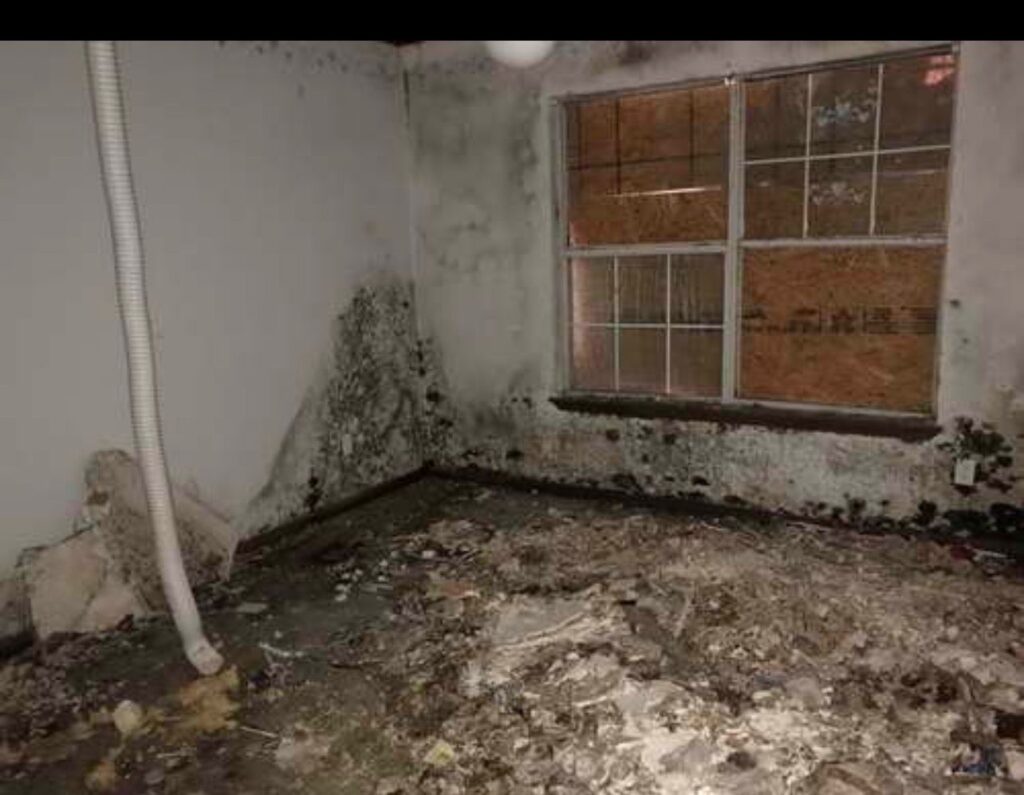
Mold After Water Damage in Merritt Island: What Homeowners in Brevard County Should Know
If you live in Merritt Island, water is part of the lifestyle. We’re surrounded by it. We enjoy the views, the breezes, and the coastal living — but water also brings risk.
Between tropical storms, heavy summer downpours, plumbing leaks, and AC condensation, water damage happens in Brevard County homes more often than most homeowners expect.
And when water damage isn’t dried properly and quickly, mold becomes the next chapter.
Let’s talk about what really happens after water damage in Merritt Island homes, how mold develops, and what you should realistically know as a Brevard County homeowner.
Why Mold Develops So Quickly After Water Damage
Mold doesn’t need dramatic flooding.
It needs:
- Moisture
- Organic material (drywall, wood, insulation, dust)
- Time
In Florida’s warm climate, time works against us.
After water intrusion — whether from a roof leak, burst pipe, appliance failure, or storm surge — mold can begin developing within 24 to 48 hours if materials stay damp.
In Merritt Island homes, where humidity is already elevated, wet materials dry more slowly. That creates ideal conditions for growth.
Water damage is the trigger. Humidity is the accelerator.
Common Causes of Water Damage in Merritt Island
Living near the water brings unique exposure.
Here’s what we regularly see across Merritt Island, Cocoa Beach, Satellite Beach, and Cape Canaveral:
Storm and Hurricane Intrusion
Wind-driven rain enters through roof penetrations, window seals, and soffits. Even small vulnerabilities allow repeated moisture intrusion.
Roof Leaks
Older roofs in Titusville and Rockledge neighborhoods often develop slow leaks that go unnoticed until staining appears on ceilings.
Plumbing Failures
Burst supply lines, slab leaks, and appliance hose failures cause sudden water release. In slab foundation homes, moisture can spread under flooring before it’s detected.
AC System Overflow
Clogged condensate lines are extremely common in Palm Bay and Melbourne homes. When drain pans overflow, water soaks into surrounding materials.
Flooding in Low-Lying Areas
Some Merritt Island properties experience minor flooding after heavy rain due to elevation and drainage challenges.
Every one of these scenarios creates potential for mold if drying isn’t immediate and thorough.
Signs Mold May Be Developing After Water Damage
After a water event, homeowners often focus on visible damage — soaked carpet, stained drywall, warped flooring.
But mold signs can appear days or weeks later.
Watch for:
- Persistent musty odor
- Peeling paint
- Bubbling drywall
- Dark spotting on ceilings or baseboards
- Warped trim
- Increased indoor humidity
- Discoloration in attic spaces
In many Merritt Island homes, we find mold growth inside wall cavities where water wicked upward but was never fully dried.
If materials feel dry on the surface, that doesn’t always mean they are dry internally.
Hidden Areas Mold Commonly Appears
During inspections throughout Brevard County, we frequently detect mold in places homeowners don’t expect.
Behind Drywall
Water travels horizontally and vertically inside wall cavities. Insulation can remain damp long after surface repairs are made.
Under Flooring
Tile, laminate, and vinyl flooring in slab homes can trap moisture underneath. This is common in Viera and Palm Bay properties.
Attics
Roof leaks often soak insulation before ceiling stains become visible inside living areas.
HVAC Systems
If water damage occurs near air handlers or ductwork, mold spores can enter the system and circulate.
The real issue is often not what you see — it’s what you don’t.
Why Immediate and Proper Drying Matters
The first 24–72 hours after water damage are critical.
Professional drying involves:
- Moisture mapping
- Commercial-grade dehumidifiers
- Air movers
- Monitoring moisture levels daily
Simply running household fans is rarely sufficient in Florida’s humidity.
If drying is incomplete, moisture becomes trapped inside porous materials. That’s when mold takes hold.
We’ve inspected homes in Merritt Island where repairs were made quickly — drywall replaced, paint applied — but internal framing remained damp.
Surface fixes don’t stop internal moisture.
Why DIY Cleanup Often Leads to Mold Problems
After minor water damage, it’s tempting to handle it independently.
Homeowners often:
- Towel dry visible water
- Use small dehumidifiers
- Replace carpet padding
- Paint over stains
While these steps may improve appearance, they don’t guarantee structural dryness.
Bleach is also commonly used on visible mold. However, bleach does not penetrate porous materials like wood or drywall effectively.
Without correcting moisture levels, mold can return.
Proper moisture detection prevents guesswork.
How Professional Mold Inspection Works After Water Damage
At Brevard Mold Inspections & Removal, post-water damage inspections are systematic.
Visual Assessment
We identify:
- Water pathways
- Staining patterns
- Warping
- Ventilation issues
- Areas of poor airflow
Patterns often reveal where moisture traveled.
Moisture Detection
Using calibrated moisture meters, we check:
- Drywall
- Wood framing
- Subflooring
- Insulation
- Baseboards
Hidden elevated readings indicate where drying was incomplete.
Air Sampling (When Needed)
If odor persists or mold is suspected but not visible, air samples compare indoor spore levels to outdoor levels.
This helps determine whether indoor growth is active.
The goal is clarity — not overreaction.
What Proper Mold Remediation Involves
If mold is confirmed after water damage, remediation must address both contamination and cause.
Typical steps include:
- Containment of affected areas
- HEPA air filtration
- Removal of contaminated materials
- Cleaning structural components
- Verification of dry conditions
Just as important: identifying and correcting the source of water intrusion.
That may involve roof repair, plumbing correction, ventilation adjustments, or HVAC servicing.
Each Merritt Island home has unique construction features, especially near coastal zones.
Preventing Mold After Future Water Events
In Brevard County, preparation makes a difference.
After any water intrusion:
- Begin drying immediately
- Remove wet materials quickly
- Monitor moisture levels for several days
- Inspect attics after storms
- Check AC drain lines regularly
- Address roof damage promptly
- Keep indoor humidity between 45–55%
Storm season requires vigilance. Small leaks become large mold problems when left unattended.
Why Local Experience in Merritt Island Matters
Mold after water damage behaves differently in Florida than in cooler climates.
Our warm temperatures, high humidity, and coastal exposure accelerate growth.
Homes in Merritt Island often have different wind-driven rain exposure compared to inland Titusville or Viera. Coastal homes in Cocoa Beach experience higher salt exposure and wind pressure.
Understanding:
- Slab foundations
- Hurricane roofing systems
- Coastal moisture patterns
- Attic ventilation challenges
- AC-heavy environments
… allows for more accurate inspection and guidance.
Brevard Mold Inspections & Removal has inspected water-damaged homes across Merritt Island and surrounding cities. Recognizing Florida-specific moisture behavior helps prevent recurring problems.
A Calm, Practical Next Step
If your Merritt Island home experienced water damage — even if it seemed minor — and you’re noticing odor, staining, or humidity changes, it’s worth having it evaluated.
Mold growth after water damage is common in Brevard County, but it’s manageable when identified early.
A professional inspection provides clear answers. It identifies hidden moisture. And it outlines practical next steps tailored to your home.
If you’d like experienced, local guidance after water damage, Brevard Mold Inspections & Removal is here to help — calmly, clearly, and without pressure.