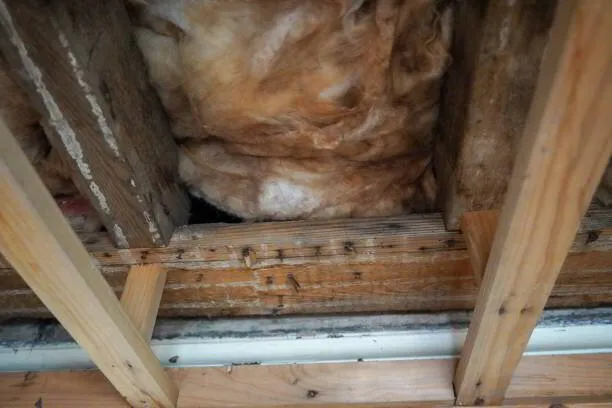
Hidden Mold Problems in Cocoa Beach: What Homeowners in Brevard County Should Know
In Cocoa Beach, mold problems often stay hidden far longer than homeowners expect. Many people assume mold is always easy to spot—black patches on walls or visible growth in bathrooms. In reality, some of the most serious mold issues in Brevard County develop out of sight, quietly spreading behind walls, under floors, or inside HVAC systems long before any visible signs appear.
Because Cocoa Beach homes are constantly exposed to coastal humidity, salt air, storms, and long cooling seasons, hidden mold problems are especially common here. Understanding where hidden mold forms, why it’s so difficult to detect, and what warning signs to watch for can help homeowners take action before small issues become major repairs.
Why Hidden Mold Is So Common in Cocoa Beach Homes
Cocoa Beach’s coastal environment creates ideal conditions for hidden moisture—and mold follows moisture.
Local factors that increase hidden mold risk include:
- Persistent ocean-side humidity
- Wind-driven rain during storms
- Salt air degrading seals and flashing
- Slab foundations trapping moisture
- Long AC run times creating condensation
- Homes kept closed and air-conditioned most of the year
Even when surfaces look dry, moisture can remain trapped inside building materials.
How Hidden Mold Develops
Hidden mold doesn’t usually appear after one dramatic event. It develops slowly when moisture goes unnoticed.
A common pattern looks like this:
- Moisture enters from humidity, condensation, or minor leaks
- Surfaces dry, but materials underneath remain damp
- Airflow is limited inside walls, floors, or ceilings
- Mold begins growing out of sight
- Odors or symptoms appear weeks or months later
By the time homeowners notice something is wrong, mold may already be widespread.
Common Places Hidden Mold Grows in Cocoa Beach Homes
Hidden mold can exist in many areas that aren’t part of daily living space.
High-risk hidden locations include:
- Behind drywall near plumbing lines
- Under laminate, vinyl, or carpet flooring
- Inside wall cavities on exterior walls
- Attics after storms or roof leaks
- Around HVAC air handlers and ductwork
- Inside closets with limited airflow
These areas combine moisture exposure with poor ventilation—ideal conditions for mold.
Hidden Mold Behind Walls
Wall cavities are one of the most common hidden mold locations.
Mold can develop behind walls due to:
- Small plumbing leaks
- Condensation inside exterior walls
- Storm-related water intrusion
- Failed window or door seals
Often, homeowners only notice discoloration or bubbling paint long after mold has spread inside the wall.
Mold Under Flooring and Slab Foundations
Most Cocoa Beach homes are built on slab foundations. Moisture can migrate upward through the slab and become trapped beneath flooring.
This can cause:
- Mold growth under floors with no visible signs
- Persistent musty odors
- Flooring that feels damp or cool
- Mold returning after surface cleaning
Under-floor mold is one of the most commonly missed issues in coastal homes.
Attic Mold That Stays Hidden
Attics are another major source of hidden mold in Cocoa Beach.
Attic mold often develops from:
- Wind-driven rain entering small roof gaps
- Improperly vented bathroom fans
- High attic humidity and heat
- Wet insulation drying very slowly
Because attics aren’t inspected regularly, mold can spread extensively before being discovered.
HVAC Systems and Hidden Mold
HVAC systems are a frequent hiding place for mold—and a major reason it spreads throughout the home.
Hidden HVAC mold can grow:
- On evaporator coils
- Inside air handlers
- In damp ductwork
- Around condensate drain pans
Once mold develops inside an HVAC system, spores and odors can circulate into every room.
Why Hidden Mold Often Goes Undetected
Hidden mold can remain unnoticed because:
- There’s no visible growth initially
- Odors may be mild at first
- Homes still feel comfortable
- Cleaning visible areas doesn’t reveal the source
Many homeowners clean repeatedly without realizing the real problem is elsewhere.
Warning Signs of Hidden Mold
Hidden mold usually gives subtle clues before it becomes obvious.
Common warning signs include:
- Musty or earthy odors with no visible mold
- Odors stronger when the AC runs
- Mold that keeps returning in the same area
- Increased indoor humidity
- Peeling paint or bubbling drywall
- Allergy-like discomfort that improves when leaving the home
These signs often point to mold growing out of sight.
Why DIY Cleaning Doesn’t Solve Hidden Mold
DIY cleanup focuses on what can be seen—but hidden mold requires more than surface cleaning.
DIY methods fail because:
- Mold roots remain inside materials
- Hidden growth is untouched
- Moisture sources aren’t corrected
- Cleaning adds moisture
- Mold spreads when disturbed
As long as hidden moisture remains, mold continues growing.
Hidden Mold After Storms and Hurricanes
Storms are a major trigger for hidden mold in Cocoa Beach.
After storms:
- Wind-driven rain enters small openings
- AC systems may shut down during outages
- Indoor humidity rises sharply
- Materials dry very slowly
Hidden mold often appears weeks after storms—long after the damage seems resolved.
The Role of a Professional Mold Inspection
A professional mold inspection focuses on finding moisture and mold that homeowners can’t see.
An inspection may include:
- Moisture readings in walls and floors
- Attic inspections for storm-related moisture
- HVAC system evaluation
- Identifying hidden damp areas
- Explaining how moisture moved through the home
This approach helps pinpoint the real source of the problem.
Brevard Mold Inspections & Removal works with Cocoa Beach homeowners to identify hidden mold conditions clearly and explain practical next steps based on local coastal conditions—without pressure or fear tactics.
Mold Testing and Hidden Mold Concerns
Mold testing isn’t always required, but it can help when:
- Mold is suspected but not visible
- Odors persist without a clear source
- HVAC involvement is suspected
- Confirmation is needed after remediation
Testing is most effective when guided by inspection findings.
Proper Remediation for Hidden Mold
Hidden mold remediation focuses on access, removal, and prevention.
A proper approach may include:
- Containment to prevent spore spread
- Opening affected areas carefully
- Removing contaminated porous materials
- Cleaning remaining surfaces appropriately
- Correcting moisture sources
- Thorough drying and humidity control
Skipping moisture correction is the most common reason hidden mold returns.
Preventing Hidden Mold in Cocoa Beach Homes
Prevention focuses on moisture awareness and consistency.
Helpful prevention steps include:
- Monitoring indoor humidity
- Using exhaust fans properly
- Maintaining HVAC systems
- Inspecting attics after storms
- Addressing even minor leaks promptly
- Allowing airflow in closets and storage areas
Early attention prevents hidden problems from growing.
Newer Homes and Hidden Mold
Even newer Cocoa Beach homes can have hidden mold.
Reasons include:
- Tighter construction trapping moisture
- Reduced natural airflow
- Heavy reliance on mechanical systems
Newer homes may hide moisture longer before signs appear.
Why Local Cocoa Beach Experience Matters
Hidden mold behaves differently in coastal Florida than in dry climates. Cocoa Beach homes face challenges tied to salt air, humidity, storms, slab foundations, and long cooling seasons.
Local professionals understand:
- Where hidden mold commonly develops locally
- How coastal moisture behaves indoors
- How long materials actually take to dry
Local experience leads to more accurate inspections and lasting solutions.
A Calm, Practical Takeaway for Homeowners
Hidden mold problems in Cocoa Beach are common—but they don’t have to become overwhelming. Most hidden mold develops slowly due to moisture that wasn’t fully controlled, not because of neglect.
If your home has unexplained odors, recurring mold, or moisture issues that don’t make sense, a professional inspection can provide clarity. Finding and correcting hidden moisture early is the most effective way to protect your home and maintain comfort in Brevard County’s coastal environment.