
DIY Mold Risks in Cocoa Beach: What Homeowners in Brevard County Should Know
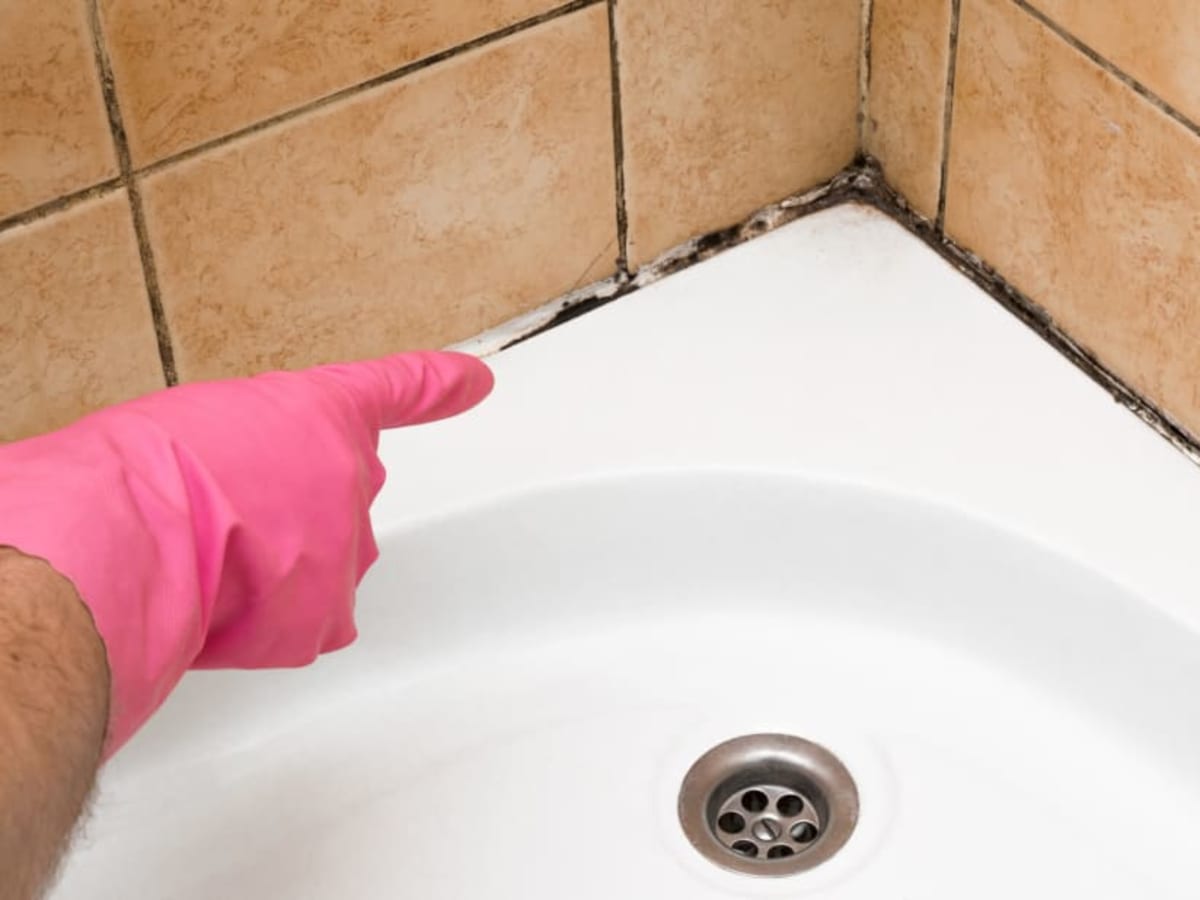
Living in Cocoa Beach means dealing with salt air, high humidity, and frequent storms—all of which make mold a familiar issue for many homeowners. When mold shows up, the natural reaction is often to grab bleach, gloves, and a scrub brush and try to handle it yourself. After all, it looks like a cleaning problem.
In Brevard County, however, DIY mold cleanup often creates more problems than it solves. Coastal moisture, hidden growth, and improper cleaning methods can allow mold to spread, return, or worsen without homeowners realizing it. Understanding the real risks of do-it-yourself mold removal helps Cocoa Beach homeowners avoid costly mistakes and protect their homes.
Why DIY Mold Cleanup Is So Tempting
DIY mold cleanup feels simple on the surface.
Mold is often first noticed as dark spots on a wall, ceiling, or bathroom surface. Hardware stores sell cleaners labeled for mold, and online advice makes it seem like a quick weekend task.
In Cocoa Beach homes, where humidity makes mold a recurring nuisance, many homeowners assume it’s something they’ll just need to clean periodically. Unfortunately, what’s visible is often only a small part of the problem.
Mold in Cocoa Beach Is Rarely Just Surface-Level
One of the biggest DIY risks is assuming mold only exists where you can see it.
In coastal homes, moisture doesn’t stay on the surface. It seeps into drywall, insulation, wood framing, and flooring. When mold becomes visible, it often means growth has already developed behind the scenes.
Scrubbing a wall or ceiling may remove surface discoloration, but mold inside porous materials remains active. In Brevard County’s humid environment, it can continue growing and reappear quickly—sometimes spreading to new areas.
Bleach and Household Cleaners: A Common Mistake
Bleach is one of the most commonly used DIY mold cleaners—and one of the most misunderstood.
While bleach can lighten the appearance of mold on non-porous surfaces, it does not penetrate porous materials like drywall, wood, or grout. In fact, the water content in bleach can add moisture, which may actually encourage deeper mold growth.
In Cocoa Beach homes, where humidity is already high, adding more moisture without addressing the source creates a cycle of repeated mold problems.
How DIY Cleanup Can Spread Mold
Another major risk of DIY mold removal is spreading mold rather than removing it.
Scrubbing, brushing, or wiping mold without containment can release spores into the air. Those spores can settle in other rooms, inside HVAC systems, or in areas that were previously unaffected.
In homes with central air conditioning—which run most of the year in Cocoa Beach—disturbed mold spores can circulate throughout the house, creating new growth sites.
What started as a small, localized issue can quietly become a much larger one.
Hidden Moisture Sources DIY Methods Miss
DIY cleanup focuses on what’s visible, not what’s causing the problem.
In Brevard County homes, mold is often tied to hidden moisture sources such as:
- Slow plumbing leaks behind walls
- Roof leaks after storms
- Condensation from HVAC systems
- Moisture trapped under flooring
- Poor bathroom or attic ventilation
Without moisture detection tools, homeowners often clean mold without realizing the source is still active. As long as moisture remains, mold will continue to grow—no matter how often it’s cleaned.
Health and Safety Concerns with DIY Mold Removal
DIY mold cleanup also carries personal safety risks.
Disturbing mold can release spores and particles into the air. Some homeowners experience irritation or discomfort during or after cleaning, especially in enclosed spaces like bathrooms, closets, or attics.
Without proper protective equipment and containment, exposure risk increases. This is especially true in older homes or properties with long-term moisture issues.
While reactions vary from person to person, unnecessary exposure is one of the reasons professional handling is often recommended.
Structural Damage That DIY Cleanup Can Overlook
Mold is not just a cosmetic issue—it’s often a sign of ongoing moisture damage.
DIY cleanup does nothing to address weakened drywall, deteriorating wood, or damp insulation. Over time, moisture can lead to warped flooring, sagging ceilings, or compromised framing.
In Cocoa Beach, salt air and humidity already put extra stress on building materials. Ignoring underlying moisture problems can shorten the lifespan of key structural components.
By the time damage becomes obvious, repairs are often more extensive and expensive.
Why Coastal Homes Face Higher DIY Risks
Brevard County coastal homes face unique challenges that make DIY mold cleanup especially risky.
Wind-driven rain can force moisture into walls and attics during storms. Salt air can corrode metal components, leading to small leaks that are easy to miss. Slab foundations common in the area can trap moisture beneath flooring after water intrusion.
These factors make it difficult for homeowners to accurately assess mold conditions without professional tools and experience.
What Professional Mold Inspections Do Differently
A professional mold inspection focuses on understanding the full picture, not just surface growth.
Inspections typically include a detailed visual assessment, moisture detection, and evaluation of ventilation and drainage conditions. Moisture meters and thermal imaging help locate damp areas behind walls or under floors.
When appropriate, air or surface samples may be collected and sent to an independent laboratory. This helps clarify what type of mold is present and how widespread it may be.
Local professionals such as Brevard Mold Inspections & Removal focus on identifying both the mold and the moisture that allows it to grow.
How Professional Remediation Reduces Risk
Proper mold remediation is designed to prevent spread and recurrence.
Containment is used to isolate affected areas, limiting airborne spores during removal. Porous materials with significant mold growth are removed when necessary, while salvageable surfaces are cleaned using appropriate methods.
Just as important is correcting the moisture source. Without moisture control, mold is likely to return regardless of how thorough the cleanup appears.
This approach protects both the home and the people living in it.
When DIY Might Be Reasonable—and When It’s Not
In some cases, very small amounts of surface mold on non-porous materials may be manageable with careful cleaning and proper ventilation.
However, DIY cleanup is not recommended when:
- Mold keeps returning after cleaning
- Mold covers a large area
- Growth appears on drywall, wood, or insulation
- There has been past water damage or flooding
- Musty odors persist without visible mold
In these situations, DIY efforts often delay proper resolution and increase overall costs.
Preventing Mold Without DIY Risks
Prevention is where homeowners can safely take action.
Using bathroom exhaust fans consistently, maintaining HVAC systems, and monitoring indoor humidity all help reduce mold risk. After storms, inspecting for leaks and drying wet areas quickly is critical.
Addressing small moisture issues early prevents mold from developing in the first place—without the risks associated with DIY removal.
Why Local Experience Matters in Cocoa Beach
Mold behaves differently in coastal environments.
Cocoa Beach homes face salt air, persistent humidity, storm exposure, and Florida-specific construction styles. Local experience helps professionals understand where mold is most likely to develop and how DIY cleanup can unintentionally make things worse.
Professionals familiar with Brevard County conditions can assess mold risks accurately and recommend appropriate next steps.
A Smarter Approach for Cocoa Beach Homeowners
When mold appears, it’s understandable to want to act quickly. In Cocoa Beach, however, DIY mold cleanup often creates hidden problems that surface later.
A calm, informed approach starts with understanding the risks and knowing when professional evaluation is the safer choice. With accurate information and local expertise, homeowners can avoid common DIY mistakes, protect their homes, and address mold issues confidently and effectively.