
Mold FAQs in Merritt Island: What Homeowners in Brevard County Should Know
Homeowners in Merritt Island ask a lot of practical questions about mold—and for good reason. Surrounded by water, exposed to high humidity, and impacted by seasonal storms, homes here face conditions where moisture can linger and mold can develop quietly.
This FAQ-style guide addresses the most common questions Merritt Island homeowners have about mold. The goal is simple: clear, straightforward answers based on real-world conditions in Brevard County, without alarm or confusion.
What is mold, and why does it grow in homes?
Mold is a natural organism found everywhere outdoors. Indoors, it becomes a problem when moisture allows it to grow on building materials.
In Merritt Island homes, mold commonly grows on drywall, wood framing, insulation, flooring, and inside HVAC systems. Flooding isn’t required. Elevated humidity, condensation, or slow leaks are often enough.
Mold needs moisture more than anything else. Control moisture, and mold becomes much easier to manage.
Why is mold so common in Merritt Island?
Merritt Island’s location makes moisture a constant factor.
Being surrounded by the Indian River and Banana River means outdoor humidity stays high most of the year. Moist air easily enters homes through doors, windows, and small gaps, then becomes trapped indoors.
Heavy rain, tropical storms, and hurricanes also play a role. Wind-driven rain can enter attics, walls, and crawl spaces without obvious interior damage.
Air conditioning systems run most of the year, creating condensation. If drain lines, pans, or duct insulation fail, moisture can build up unnoticed.
All of this makes mold a common—but manageable—issue in Brevard County homes.
Is all mold dangerous?
No. Not all mold is harmful, and not all mold situations are emergencies.
The concern isn’t just the type of mold, but how much is present, where it’s growing, and whether moisture is still feeding it. A small amount of surface mold from temporary humidity is very different from widespread growth caused by long-term water intrusion.
That’s why professional evaluation focuses on conditions and extent, not just appearance.
What are the first signs of a mold problem?
Many mold problems start subtly.
A persistent musty or earthy odor is one of the most common early signs, especially when the air conditioning runs or after the home has been closed up.
Visual signs may include discoloration on ceilings, walls, baseboards, or near vents. Bathrooms, kitchens, closets, and laundry rooms are frequent trouble areas.
Other clues include peeling paint, bubbling drywall, warped flooring, or areas that feel damp longer than expected.
Where is mold most often found in Merritt Island homes?
Mold often grows where moisture lingers or airflow is limited.
Common locations include:
- Bathrooms and laundry rooms
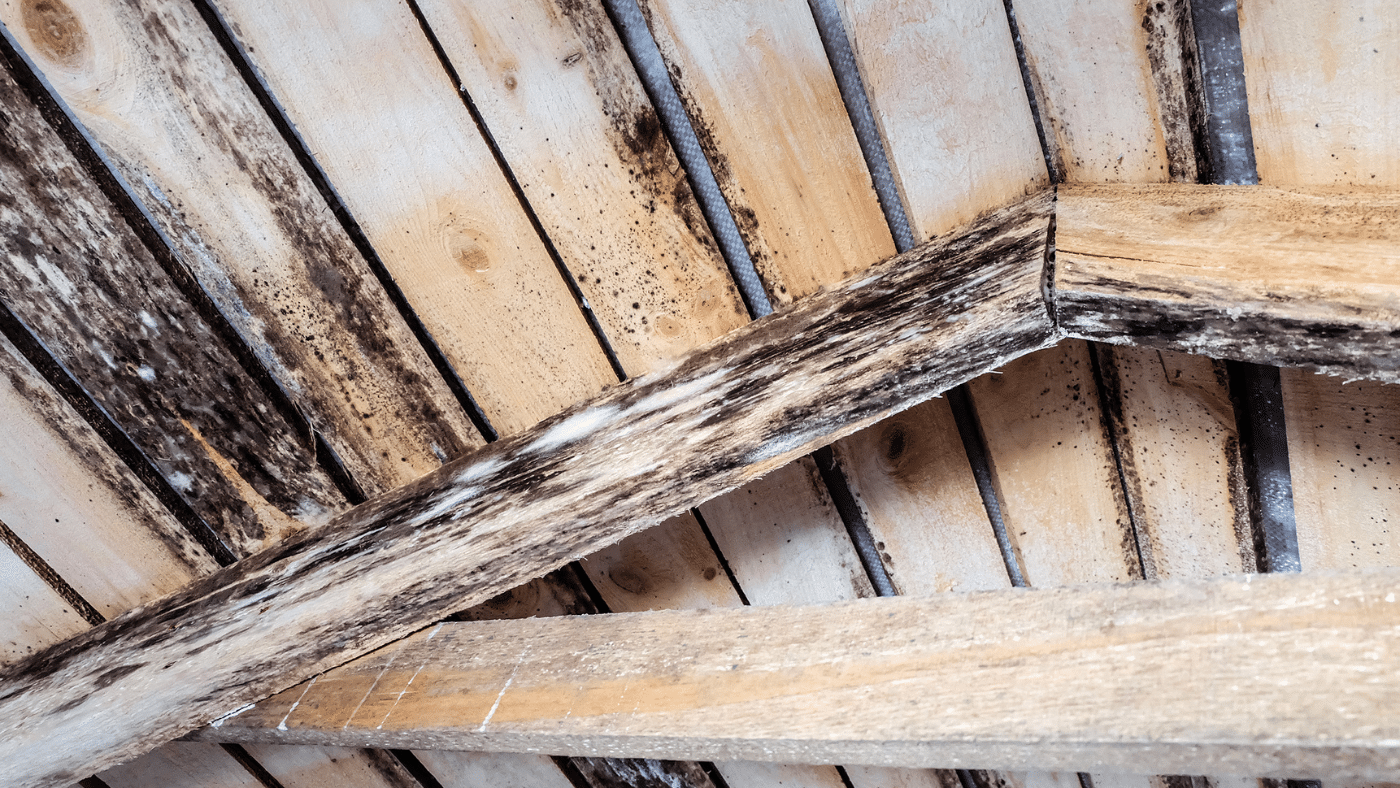
- Attics, especially on roof decking
- HVAC air handlers and ductwork
- Behind walls after leaks
- Under flooring on slab foundations
- Inside closets along exterior walls
Because many of these areas are hidden, mold is often discovered later than homeowners expect.
Can I just clean mold myself?
Small amounts of surface mold on non-porous materials may sometimes be cleaned safely with proper ventilation.
However, DIY cleaning becomes risky when:
- Mold keeps coming back
- Growth appears on drywall, wood, or insulation
- There’s a musty odor without visible mold
- Past water damage is involved
Scrubbing without containment can spread spores, and cleaning without fixing moisture almost guarantees recurrence.
Does bleach kill mold?
Bleach may remove staining on non-porous surfaces, but it does not penetrate porous materials like drywall, wood, or grout.
In humid environments like Merritt Island, the water in bleach can actually add moisture, allowing mold below the surface to continue growing.
That’s why bleach is not a reliable solution for most residential mold problems.
When should I consider a mold inspection?
A mold inspection is helpful when:
- You smell mold but can’t see it
- Mold keeps returning after cleaning
- The home has had leaks, flooding, or storm damage
- You’re buying or selling a home
- Indoor humidity feels consistently high
Inspections focus on identifying moisture sources and determining whether mold is present beyond what’s visible.
What happens during a professional mold inspection?
A professional inspection typically includes:
- Visual evaluation of moisture-prone areas
- Moisture detection using meters or thermal imaging
- Assessment of ventilation and drainage conditions
When appropriate, air or surface samples may be collected and sent to an independent laboratory. Testing helps document mold presence and understand the scope, not diagnose health issues.
Local professionals such as Brevard Mold Inspections & Removal focus on clear explanations so homeowners know exactly what’s going on.
Is mold testing always necessary?
No. Testing is a tool, not a requirement in every situation.
If mold is clearly visible and the moisture source is obvious, testing may not add useful information. In other cases—such as hidden growth, real estate transactions, or unclear odors—testing can provide helpful clarity.
The decision to test should be based on the situation, not a blanket rule.
How is mold properly removed?
Proper mold remediation addresses both mold and moisture.
The process may include containment to prevent spread, cleaning or removal of affected materials, and correcting the moisture source that allowed mold to grow.
Without moisture correction—such as fixing leaks, improving ventilation, or addressing HVAC issues—mold is likely to return.
Can mold affect the rest of the house?
Yes. Air movement can carry moisture and mold particles from one area to another.
In Merritt Island homes, HVAC systems can move air from attics, closets, or utility spaces into living areas. Crawl spaces and wall cavities can also influence indoor conditions.
That’s why addressing mold at the source is important, even if it seems isolated.
How can I prevent mold in my home?
Prevention is largely about moisture control.
Helpful steps include:
- Maintaining AC systems and drain lines
- Using exhaust fans during and after showers
- Fixing leaks promptly
- Keeping gutters and drainage clear
- Monitoring indoor humidity
- Inspecting attics and ceilings after storms
Small, consistent actions make a big difference in Brevard County’s climate.
Does living near the water make mold worse?
Coastal and island environments increase background humidity.
In Merritt Island, moisture from surrounding waterways, frequent rain, and salt air all contribute to higher indoor moisture potential. This doesn’t mean mold is inevitable—but it does mean prevention and early detection matter more.
Why does local experience matter with mold?
Mold behaves differently depending on climate and construction.
Merritt Island homes face slab foundations, coastal humidity, storm exposure, and Florida-specific HVAC designs. Local experience helps professionals recognize common moisture pathways and avoid misdiagnosis.
What works in drier climates doesn’t always apply here.
A Practical Takeaway for Merritt Island Homeowners
Mold questions are normal for homeowners in Merritt Island. The key is understanding how moisture behaves locally and knowing when to seek professional clarity.
Most mold problems are manageable when caught early and addressed correctly. With accurate information and local expertise, homeowners can protect their property, reduce stress, and make confident decisions about mold in their homes.