
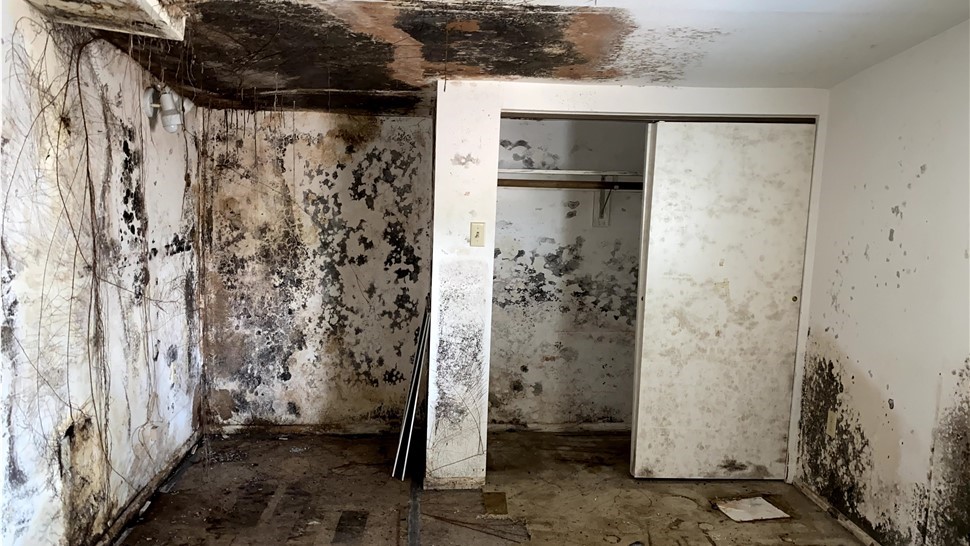
Mold Inspection in Melbourne: What Homeowners in Brevard County Should Know
In Melbourne and across Brevard County, mold inspections aren’t just for homes with obvious black spots on the wall. In Florida’s warm, humid climate, mold often grows out of sight—inside walls, under floors, and in attics—long before homeowners realize there’s a problem.
A professional mold inspection gives you clear answers, not guesswork. Whether you’re dealing with musty odors, recent water damage, or unexplained health symptoms, this guide explains what Melbourne homeowners should know about mold inspections and why timing matters.
Why Mold Inspections Are So Important in Melbourne
Melbourne’s climate creates near-perfect mold conditions most of the year.
Local Factors That Increase Mold Risk
- High humidity year-round
- Heavy rain and storm systems
- Long AC cooling seasons
- Condensation on ductwork and vents
- Slab foundations and enclosed wall cavities
Mold doesn’t need flooding to grow. Small leaks, trapped humidity, or condensation can be enough to support mold colonies behind drywall or inside insulation.
By the time mold is visible, it’s often been growing for a while.
What a Mold Inspection Actually Does
A mold inspection is not just someone “looking around.” It’s a structured process designed to find mold and the moisture feeding it.
A Professional Mold Inspection Typically Includes:
🔍 Visual Assessment
Inspectors look for:
- Discoloration or staining
- Water marks and past leak indicators
- Peeling paint or warped materials
- Musty odor sources
💧 Moisture Detection
This is the most important step.
- Moisture meters detect wet building materials
- Thermal imaging helps locate hidden moisture
- Problem areas behind walls and ceilings are identified
Mold follows moisture. If moisture is found, mold is usually nearby.
🧱 Inspection of High-Risk Areas
In Melbourne homes, inspectors focus on:
- Bathrooms and kitchens
- Attics and crawl spaces
- HVAC systems and air handlers
- Around windows and doors
- Under sinks and appliances
🧪 Mold Testing (When Needed)
Not every inspection requires testing, but it may be recommended when:
- Mold is hidden
- Health symptoms are present
- There’s a real estate transaction
- Multiple areas are affected
Testing can include air samples or surface samples sent to a lab.
Mold Inspection vs. Mold Testing: Know the Difference
Many homeowners confuse the two.
Mold Inspection
- Finds where mold is growing
- Locates moisture sources
- Determines extent of the problem
- Guides remediation decisions
Mold Testing
- Measures spore levels
- Identifies mold types
- Supports health or legal concerns
👉 Inspection tells you what’s wrong. Testing provides data.
Neither fixes mold—remediation does.
Signs You Should Schedule a Mold Inspection
You don’t need visible mold to justify an inspection.
🚩 Common Warning Signs in Melbourne Homes
- Musty or earthy odors
- History of roof leaks or plumbing issues
- Water damage from storms or AC leaks
- Condensation on vents or windows
- Mold that keeps coming back after cleaning
- Allergy or respiratory symptoms indoors
If symptoms improve when you leave the house, that’s a strong red flag.
Why DIY Mold Checks Often Miss the Problem
Homeowners often rely on:
- Visual checks only
- Store-bought test kits
- Surface cleaning to “see if it comes back”
These methods usually fail because:
- Mold hides behind walls and under floors
- Test kits don’t locate moisture sources
- Surface mold is often just the tip of the problem
A professional inspection focuses on root causes, not just what’s visible.
What Happens After the Inspection?
After the inspection, you should receive a clear explanation of:
- Where mold was found (or not found)
- Moisture sources causing the issue
- Whether remediation is recommended
- Which repairs or drying steps are needed
Good inspectors don’t use scare tactics. They explain severity, options, and next steps.
How Much Does a Mold Inspection Cost in Brevard County?
Costs vary based on home size and inspection depth, but typical ranges include:
- Basic inspection: moderate cost
- Inspection with moisture mapping: higher value
- Inspection with lab testing: additional cost per sample
Inspections are far cheaper than:
- Full mold remediation
- Structural repairs
- Long-term health issues
- Failed real estate transactions
Mold Inspections and Real Estate in Melbourne
Mold inspections are common during:
- Home purchases
- Pre-listing inspections
- After failed inspections elsewhere
They help buyers understand risk and give sellers the chance to fix issues before they derail a sale.
Preventing Mold After an Inspection
Even if no major mold is found, prevention matters.
🛡 Prevention Tips
- Keep indoor humidity between 30–50%
- Repair leaks immediately
- Maintain HVAC systems regularly
- Use exhaust fans in bathrooms and kitchens
- Monitor areas after storms or heavy rain
Inspections aren’t just about today—they help prevent future problems.
Final Takeaways for Melbourne Homeowners
- Mold inspections find hidden problems early
- Moisture is the real issue—mold is the symptom
- Visual checks alone miss most mold issues
- Professional inspections provide clarity, not fear
- Early detection saves money and protects health