
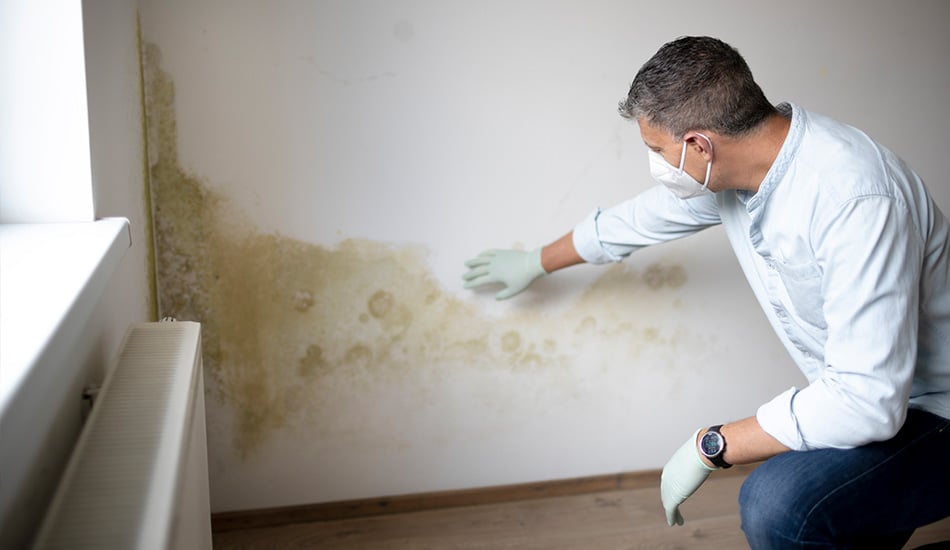
Mold Testing in Indian Harbour Beach: What Homeowners in Brevard County Should Know
For homeowners in Indian Harbour Beach, mold testing is often surrounded by confusion. Some people assume testing is only needed when mold is clearly visible. Others worry that testing automatically means something serious is wrong. In reality, mold testing is simply a tool—one that can be very helpful in certain situations, especially in a coastal environment like Brevard County.
Indian Harbour Beach homes deal with constant humidity, salt air, and year-round air conditioning. These conditions allow moisture problems to develop quietly, sometimes without obvious mold growth. Mold testing helps clarify what’s actually happening inside the home, without guesswork or assumptions.
What Mold Testing Is — and What It Is Not
Mold testing is not a diagnosis and it’s not a solution by itself. It’s a way to collect information about mold conditions inside a home.
Testing is typically used to determine:
- Whether mold is present when it can’t be seen
- Whether indoor mold levels are elevated compared to outdoor air
- Whether mold may be coming from a hidden source
Testing does not replace a visual inspection or moisture assessment. In fact, mold testing is most useful when combined with a professional inspection that looks for the cause of moisture.
In Indian Harbour Beach, testing is often used to confirm suspicions rather than to hunt blindly for problems.
Why Mold Testing Matters in Indian Harbour Beach
Brevard County has one of the most mold-friendly climates in the country, and coastal cities face additional challenges.
Outdoor humidity stays high most of the year. Moist air enters homes easily and condenses on cooler surfaces like ducts, walls, and ceilings. Even without leaks or flooding, moisture can linger inside building materials.
Salt air can accelerate wear on HVAC components, increasing the chance of condensation issues inside air handlers and ductwork. Storms and wind-driven rain can also introduce moisture into walls and attics without leaving obvious interior damage.
Because mold often grows out of sight in these conditions, testing becomes a useful way to understand whether mold is present when visual signs are limited or unclear.
Common Reasons Homeowners Request Mold Testing
Mold testing is not always necessary, but there are situations where it makes practical sense.
One of the most common reasons is a persistent musty or earthy odor with no visible mold. In Indian Harbour Beach homes, this smell often becomes noticeable when the air conditioning runs.
Testing is also common after water damage or storms. Even when repairs are made, homeowners often want confirmation that mold did not develop behind walls or under flooring.
Real estate transactions are another frequent reason. Buyers and sellers may request testing to document conditions before closing.
Some homeowners simply want peace of mind when indoor humidity has been high for long periods or when family members notice changes in indoor comfort.
Where Mold Testing Is Commonly Focused
Mold testing is usually targeted, not random.
In Indian Harbour Beach homes, testing often focuses on areas with higher moisture risk, such as:
- HVAC systems and air handlers
- Attics and ceiling cavities
- Bathrooms and laundry areas
- Rooms with past water damage
- Areas near exterior walls or windows
Air samples may be taken indoors and compared to an outdoor control sample. Surface samples may be collected from visible growth or suspected areas.
The goal is to gather meaningful data, not just numbers.
Types of Mold Testing Used in Homes
There are a few common types of mold testing used in residential settings.
Air sampling measures airborne mold spores at the time of testing. Results are compared to outdoor levels to see whether indoor conditions are elevated.
Surface sampling collects material from a visible area to confirm whether it is mold and, if so, what type.
Swab or tape samples are often used when there is visible discoloration and confirmation is needed.
Each method has a specific purpose. No single test tells the full story on its own.
Why Testing Without Inspection Can Be Misleading
One of the biggest mistakes homeowners make is relying on mold testing alone.
Testing without understanding moisture conditions can lead to confusing results. For example, air samples may appear normal even when hidden mold is present behind walls. In other cases, elevated results may reflect temporary outdoor conditions rather than an indoor problem.
That’s why professional mold testing is always paired with a thorough inspection. Moisture detection, visual assessment, and building knowledge provide the context that makes test results meaningful.
In coastal Brevard County homes, context matters just as much as numbers.
How Professional Mold Testing Is Performed
A professional mold testing process begins with an inspection.
Inspectors look for signs of moisture, condensation, staining, ventilation problems, and building material changes. Moisture meters and thermal imaging may be used to identify damp areas that aren’t visible.
If testing is appropriate, samples are collected carefully to avoid contamination. Air samples are taken under controlled conditions, and surface samples are documented clearly.
Samples are then sent to an independent laboratory for analysis. Results typically identify mold categories and relative levels, not medical conclusions.
Local professionals such as Brevard Mold Inspections & Removal focus on explaining results in plain language so homeowners understand what the findings actually mean.
What Mold Test Results Can Tell You
Mold testing can help answer specific questions.
Results may indicate whether indoor mold levels are higher than expected, whether mold is likely coming from an indoor source, or whether visible growth is consistent with typical household mold.
Testing can also help guide next steps—such as whether further investigation, moisture correction, or remediation is needed.
What testing cannot do is determine health effects or predict future problems without addressing moisture.
When Mold Testing Is Often Not Necessary
Not every mold situation requires testing.
If mold growth is clearly visible and the moisture source is obvious, testing may not provide additional useful information. In those cases, addressing the moisture and mold directly is usually more effective.
Testing is also less useful when homeowners are simply curious without any signs of moisture, odor, or history of water issues.
A professional inspection helps determine whether testing will actually add value.
Mold Testing After Storms and Hurricanes
Post-storm mold testing can be helpful in coastal areas.
After hurricanes or heavy rain, moisture can remain trapped behind walls or under flooring even when surfaces appear dry. Testing may be used to document conditions when water intrusion is suspected but not visible.
Because power outages and high humidity slow drying, mold growth may begin before homeowners realize it. Testing combined with moisture detection helps clarify whether conditions have stabilized.
How Mold Testing Fits Into Prevention
Mold testing isn’t just reactive—it can also support prevention.
In homes with repeated humidity issues or recurring odors, testing helps identify whether mold is already present before visible damage occurs. Early awareness often leads to simpler solutions.
Testing can also establish a baseline in homes undergoing renovations or HVAC upgrades.
Used correctly, testing supports informed decision-making rather than guesswork.
Why Local Experience Matters With Mold Testing
Mold testing results don’t exist in a vacuum.
Indian Harbour Beach homes face unique conditions related to salt air, coastal humidity, slab foundations, and Florida-specific HVAC systems. Local experience helps professionals interpret results accurately.
What might be normal in one climate can be significant in another. Understanding Brevard County conditions prevents overreaction—or missed problems.
A Practical Takeaway for Indian Harbour Beach Homeowners
Mold testing is a tool, not a trigger for alarm.
When used appropriately and combined with a professional inspection, it provides clarity about hidden mold concerns and moisture conditions inside the home. In a coastal environment like Indian Harbour Beach, that clarity is often valuable.
If you’re dealing with odors, past water issues, or ongoing humidity concerns, mold testing can help answer questions and guide next steps. With accurate information and local expertise, homeowners can make confident, informed decisions about mold and moisture in their homes.