
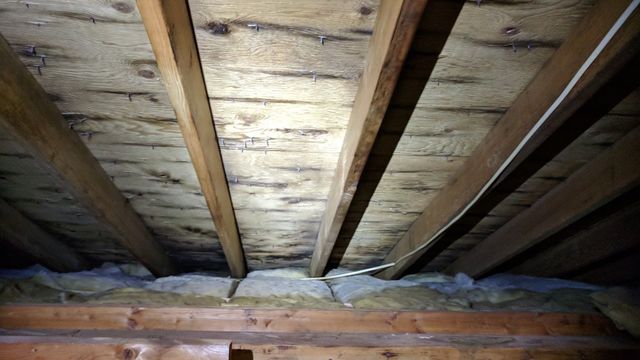
Mold Removal in Cape Canaveral: What Homeowners in Brevard County Should Know
For homeowners in Cape Canaveral, mold removal is a topic that often comes up after storms, plumbing issues, or persistent humidity problems. Living near the coast brings unique benefits, but it also means homes are constantly exposed to moisture-rich air, salt, and heavy rain. Over time, those conditions can create the perfect environment for mold to grow indoors.
Mold removal in Cape Canaveral isn’t just about cleaning what you can see. It’s about understanding why mold developed, how far it has spread, and what needs to be done to keep it from coming back. Knowing how mold removal works in Brevard County helps homeowners respond calmly and avoid common mistakes.
What Mold Removal Really Means
Mold removal is often misunderstood as a simple cleaning task. In reality, proper mold removal involves identifying affected materials, safely removing or cleaning them, and addressing the moisture source that allowed mold to grow.
In Cape Canaveral homes, mold frequently affects drywall, insulation, wood framing, flooring, and HVAC components. Because many of these materials are porous, mold can grow beneath the surface even when staining looks minor.
Effective mold removal focuses on both the mold and the conditions that support it. Without moisture control, mold is likely to return.
Why Mold Is Common in Cape Canaveral Homes
Brevard County has a climate that naturally supports mold growth, and coastal cities face added challenges.
High humidity is present most of the year. Moist ocean air enters homes easily and condenses on cooler indoor surfaces. Even well-maintained homes can experience moisture buildup in walls, attics, and HVAC systems.
Cape Canaveral also sees frequent storms and occasional hurricanes. Wind-driven rain can enter through roofs, windows, and exterior openings, allowing moisture to soak into building materials without immediate signs.
Salt air can accelerate wear on building components, increasing the likelihood of small leaks and condensation issues that contribute to mold growth over time.
Common Situations That Lead to Mold Removal
Mold removal is often needed after specific moisture events.
Roof leaks after heavy rain are a common trigger, especially when water enters attics or ceiling cavities. Plumbing leaks inside walls or under sinks can also create long-term moisture problems if not caught early.
HVAC-related moisture issues are another frequent cause. Clogged drain lines, damaged drain pans, or poorly insulated ductwork can allow condensation to build up and support mold growth.
Bathrooms, laundry rooms, and kitchens are also common areas due to regular moisture use and ventilation challenges.
In many cases, mold removal is needed weeks or months after the original moisture problem occurred.
Signs Mold Removal May Be Necessary
Homeowners often notice warning signs before mold removal becomes unavoidable.
A persistent musty or damp odor is one of the most common indicators. In Cape Canaveral homes, this smell may become stronger when the air conditioning runs.
Visible discoloration on walls, ceilings, baseboards, or around vents can also signal mold growth. Paint may peel or bubble as moisture pushes from behind surfaces.
Other signs include warped flooring, soft drywall, or areas that never seem to fully dry.
Because mold often grows out of sight, visible signs usually indicate a deeper issue.
Hidden Mold Is Common in Coastal Homes
In Cape Canaveral, mold removal frequently involves hidden growth.
Behind walls, slow leaks or condensation can dampen drywall and insulation without surface damage. Under flooring, moisture can become trapped between slab foundations and finished surfaces.
Attics are another common location, especially after storms. Wet insulation and roof decking can support mold if drying is delayed.
HVAC systems can also harbor mold. Growth inside air handlers or ductwork may spread particles throughout the home when the system runs.
Why DIY Mold Removal Often Fails
DIY mold removal is one of the most common mistakes homeowners make.
Surface cleaning may improve appearance but rarely removes mold inside porous materials. Scrubbing without containment can release mold spores into the air and spread them to other areas of the home.
Household cleaners, including bleach, do not address moisture sources and may add more moisture to affected areas.
In humid environments like Cape Canaveral, DIY cleanup often leads to recurring mold and larger problems later.
How Professional Mold Removal Works
Professional mold removal follows a structured process designed to limit spread and address the root cause.
The first step is containment. Barriers and controlled airflow are used to prevent mold from spreading during removal.
Affected materials are then cleaned or removed depending on the severity and type of surface involved. Porous materials with significant growth may need to be removed, while others can be treated appropriately.
Correcting the moisture source is essential. This may involve plumbing repairs, roof repairs, HVAC adjustments, or ventilation improvements.
The goal is long-term resolution, not temporary cleanup.
Local professionals such as Brevard Mold Inspections & Removal focus on thorough, methodical approaches suited to Florida’s coastal conditions.
Mold Removal vs. Mold Inspection
Mold removal and mold inspection serve different purposes.
An inspection focuses on identifying mold, moisture sources, and the extent of the problem. Removal focuses on cleaning and restoring affected areas.
In many cases, an inspection is the first step, especially when mold is suspected but not clearly visible. This helps ensure that removal efforts are targeted and effective.
Skipping inspection can lead to incomplete removal and recurring mold issues.
Preventing Mold After Removal
Preventing mold from returning is just as important as removal itself.
Regular HVAC maintenance helps control humidity and prevent condensation issues. Drain lines should remain clear, and ductwork properly insulated.
Bathrooms, kitchens, and laundry rooms should be ventilated effectively. Exhaust fans should vent outdoors and be used during and after moisture-producing activities.
After storms, homeowners should inspect attics, ceilings, windows, and floors for signs of leaks or moisture intrusion.
Addressing small moisture issues early prevents the need for future mold removal.
Why Local Experience Matters for Mold Removal
Mold removal is not the same everywhere.
Cape Canaveral homes face unique challenges related to coastal humidity, salt air, storm exposure, and slab foundations. Local experience helps professionals understand where mold is most likely to grow and how moisture behaves in these conditions.
Professionals familiar with Brevard County construction styles and climate patterns provide more accurate and effective solutions than generic approaches.
A Practical Next Step for Cape Canaveral Homeowners
If you’re dealing with visible mold, persistent odors, or past moisture issues, proper mold removal can help restore your home and prevent future problems.
A calm, informed approach starts with understanding the scope of the issue and addressing both mold and moisture. With accurate information and local expertise, Cape Canaveral homeowners can handle mold removal confidently and protect their homes for the long term.