
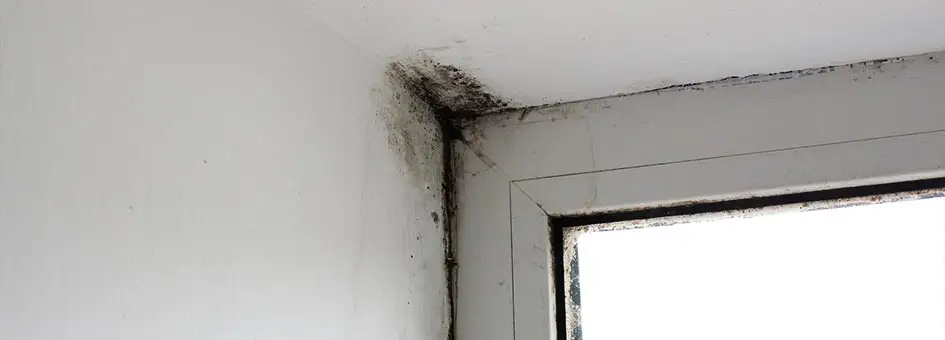
Why Titusville Homes Are Prone to Toxic Mold
If you’re a homeowner in Titusville, hearing the words “toxic mold” can be unsettling. With Florida’s heat, humidity, and frequent storms, mold problems are common—but not every mold issue is as dangerous as the internet makes it sound. Understanding what toxic mold really is, how it shows up in Titusville homes, and what to do about it can help you protect your health without panic.
This guide cuts through the fear and focuses on what actually matters.
What “Toxic Mold” Really Means
“Toxic mold” isn’t a scientific category—it’s a popular term used to describe certain molds that can produce mycotoxins under specific conditions. One often mentioned species is Stachybotrys chartarum, sometimes called black mold.
Here’s what’s important to know:
- Not all black-colored mold is toxic
- Not all homes with mold have toxin exposure
- Mold only becomes a serious issue when moisture is ongoing and growth is significant
The real danger isn’t the label—it’s indoor mold growth caused by unresolved moisture.
Why Titusville Homes Are Prone to Toxic Mold
Titusville’s environment makes moisture management challenging.
Local Risk Factors
- High humidity most of the year
- Heavy rain and storm systems
- Older homes with aging roofs and plumbing
- Slab foundations that trap moisture
- AC systems running almost constantly
Even without flooding, slow leaks, condensation, or high indoor humidity can allow mold to grow behind walls, under floors, or inside HVAC systems—often out of sight.
Common Places Toxic Mold Hides in Titusville Homes
Mold rarely grows where it’s easy to see.
High-Risk Areas
- Behind bathroom and kitchen walls
- Under sinks and cabinets
- Inside HVAC air handlers and ductwork
- Around AC drain pans and coils
- Under flooring after water damage
- In attics following roof leaks
By the time mold becomes visible, it’s usually been there longer than you think.
Health Effects Linked to Toxic Mold Exposure
Mold affects people differently. Most health issues come from breathing airborne spores and fragments, not from dramatic “toxic poisoning.”
Common Symptoms
- Sneezing, coughing, or nasal congestion
- Eye, nose, or throat irritation
- Headaches or sinus pressure
- Worsening asthma or allergy symptoms
Higher-Risk Groups
- Children and infants
- Older adults
- People with asthma or respiratory conditions
- Individuals with weakened immune systems
Severe illness from household mold is rare in healthy adults, but ongoing exposure can absolutely aggravate respiratory and allergy issues.
Signs Toxic Mold May Be Present
👀 Visual Clues
- Dark staining on drywall or ceilings
- Bubbling paint or warped walls
- Mold around vents, windows, or baseboards
👃 Odor Clues
- Persistent musty or earthy smells
- Odors that get stronger when the AC runs
🤧 Health Clues
- Symptoms worsen at home and improve elsewhere
- Multiple occupants experiencing similar irritation
These signs don’t confirm “toxic” mold—but they do confirm a mold problem that needs attention.
Mold Inspection vs. Mold Testing: What Matters More?
Mold Inspection
- Locates visible and hidden mold
- Identifies moisture sources
- Uses moisture meters and thermal imaging
- Determines extent of contamination
Mold Testing
- Measures airborne spores or surface growth
- Identifies mold types and concentrations
- Useful when symptoms are unexplained
👉 Inspection finds the problem. Testing supports the diagnosis.
Neither fixes mold—remediation does.
What to Do If You Suspect Toxic Mold
1️⃣ Don’t Disturb It
Scrubbing or spraying mold can release spores and worsen exposure.
2️⃣ Fix Moisture First
Mold cannot survive without moisture. Leaks, condensation, and humidity must be addressed.
3️⃣ Get a Professional Inspection
Especially important if mold is hidden, widespread, or health symptoms are present.
4️⃣ Remediate Properly
Professional remediation may include:
- Containment to prevent spore spread
- HEPA air filtration
- Removal of contaminated materials
- Cleaning and treatment of affected areas
- Moisture correction to prevent recurrence
Skipping moisture control almost guarantees mold will return.
Why DIY Toxic Mold Cleanup Usually Fails
DIY methods often:
- Miss hidden mold
- Fail to remove mold roots
- Ignore moisture sources
- Allow mold to return
Bleach doesn’t penetrate porous materials like drywall or insulation and can actually add moisture.
Preventing Toxic Mold in Titusville Homes
🌬 Control Indoor Humidity
- Keep indoor humidity between 30–50%
- Use dehumidifiers when needed
- Don’t turn AC completely off
💧 Fix Water Issues Quickly
- Repair roof and plumbing leaks immediately
- Clear AC drain lines
- Watch for condensation around vents
🛠 Maintain HVAC Systems
- Schedule regular AC maintenance
- Replace filters consistently
- Inspect air handlers for moisture
🕵️ Monitor After Storms
Mold often appears weeks after storms or water damage if moisture wasn’t fully resolved.
Why Early Action Matters
Ignoring mold can lead to:
- Larger remediation projects
- Structural damage
- Persistent odors
- Ongoing health symptoms
- Reduced property value
Early inspection and remediation are far less expensive than letting mold spread.
Final Takeaways for Titusville Homeowners
- “Toxic mold” is a common term, not a diagnosis
- Color doesn’t determine danger
- Moisture is the real cause—mold is the symptom
- Health effects vary but shouldn’t be ignored
- Professional inspection and remediation provide real solutions