Mold in Crawl Spaces in Merritt Island: What Homeowners in Brevard County Should Know
In Merritt Island, crawl space mold is far more common than most homeowners realize—and it’s often one of the most overlooked sources of moisture and indoor air problems. Because crawl spaces are out of sight and rarely accessed, mold can develop there for months or even years before anyone realizes there’s an issue. By the time musty odors reach living areas or floors start to feel damp, mold has usually already established itself.
Merritt Island’s unique geography—surrounded by the Banana River, Sykes Creek, and Indian River—creates constant moisture pressure beneath homes. Combined with high humidity, heavy rain, and warm temperatures, crawl spaces become prime environments for mold growth if moisture isn’t carefully managed.
Why Crawl Space Mold Is Common in Merritt Island
Crawl spaces sit directly between the home and the ground, making them especially vulnerable to moisture. In Merritt Island, that vulnerability is amplified by coastal conditions and a high water table.
Local factors that increase crawl space mold risk include:
- High year-round humidity
- Frequent rainfall and tropical storms
- Proximity to waterways and a high water table
- Warm temperatures that slow drying
- Limited airflow beneath homes
- Older construction styles with open or vented crawl spaces
Even without flooding, moisture can accumulate under homes and remain trapped long enough for mold to grow.
How Mold Develops in Crawl Spaces
Crawl space mold usually develops gradually, not suddenly.
A common pattern looks like this:
- Moisture enters from ground vapor, rain, or humidity
- Damp air becomes trapped under the home
- Limited airflow prevents proper drying
- Wood framing, insulation, or subfloor materials absorb moisture
- Mold begins growing on organic surfaces
Because crawl spaces aren’t climate-controlled, moisture levels can stay elevated for long periods.
Common Sources of Crawl Space Moisture
In Merritt Island homes, crawl space moisture often comes from multiple sources at once.
Frequent contributors include:
- Ground moisture evaporating upward
- Poor or missing vapor barriers
- Standing water after heavy rain
- Plumbing leaks beneath the home
- Outdoor humidity entering through vents
- Inadequate drainage around the foundation
Even small, ongoing moisture sources can combine to create a significant mold problem.
Where Mold Is Commonly Found in Crawl Spaces
Mold in crawl spaces rarely appears in just one area.
Common locations include:
- Wooden floor joists and beams
- Subflooring beneath living spaces
- Insulation facing downward
- Support posts and piers
- HVAC ductwork running through the crawl space
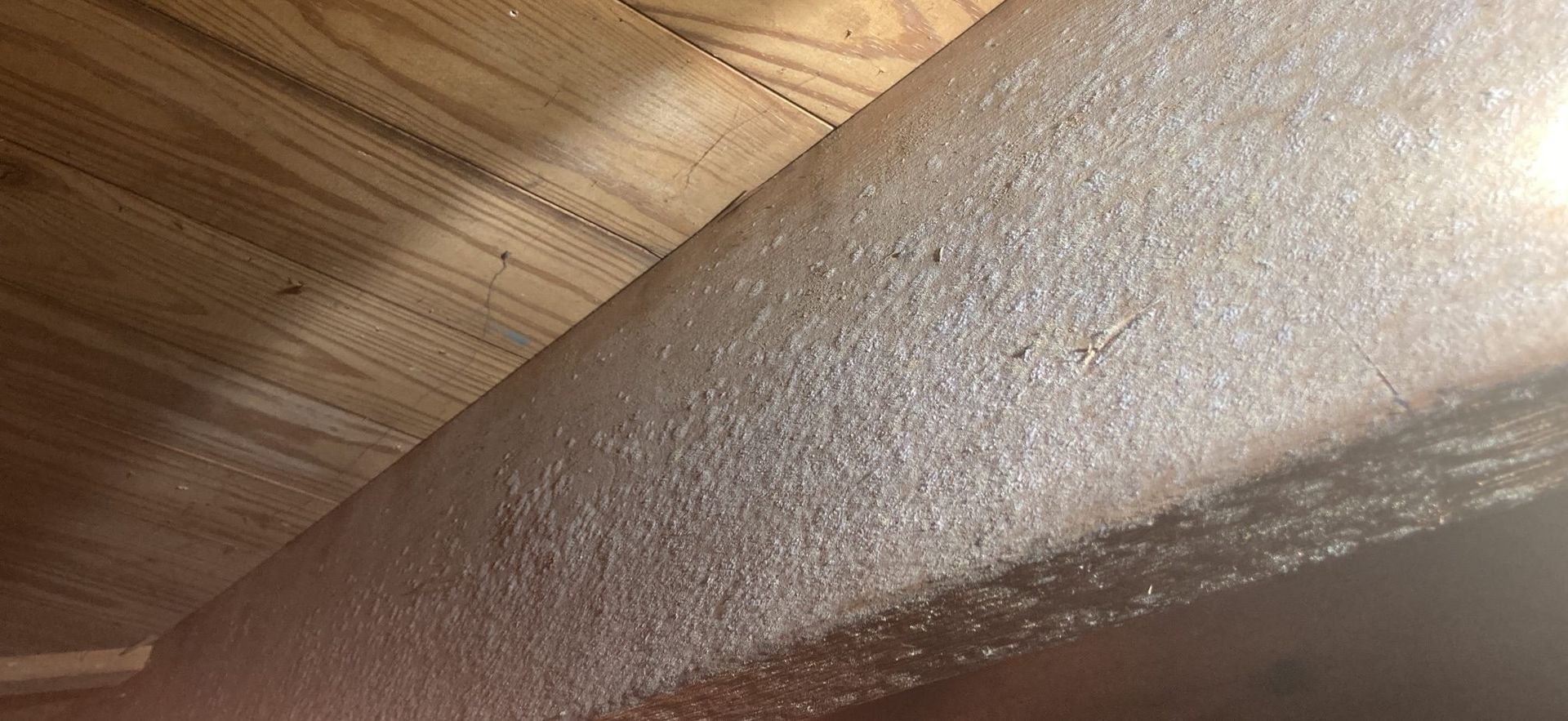
Mold often appears as dark staining or fuzzy growth on wood surfaces.
Crawl Space Mold and Indoor Air Quality
One of the biggest concerns with crawl space mold is how it affects the rest of the home.
Because air naturally moves upward, crawl spaces can:
- Push musty odors into living areas
- Circulate mold spores through the home
- Affect indoor comfort and air quality
Homeowners often notice odors or discomfort inside the house without realizing the source is below their feet.
Signs Crawl Space Mold May Be Present
Crawl space mold often gives indirect warning signs.
Watch for:
- Persistent musty odors indoors
- Floors that feel damp or cool
- Increased humidity inside the home
- Mold appearing on lower walls
- Odors stronger during humid weather
These signs often point downward rather than inside walls or ceilings.
Why Crawl Space Mold Is Often Missed
Crawl space mold goes unnoticed because:
- Crawl spaces are rarely inspected
- Mold growth may not be visible from living areas
- Odors are often blamed on humidity
- Moisture issues develop slowly
By the time symptoms appear, mold may already be widespread.
Why DIY Crawl Space Mold Cleanup Is Risky
Crawl space mold cleanup is especially challenging and risky for homeowners.
DIY risks include:
- Exposure to mold spores in confined spaces
- Incomplete removal of contaminated materials
- Disturbing insulation and spreading spores
- Failing to correct moisture sources
- Safety hazards from low clearance and poor lighting
Without proper moisture control, mold almost always returns.
The Role of a Professional Mold Inspection
A professional crawl space mold inspection focuses on moisture behavior, not just visible growth.
An inspection may include:
- Measuring moisture levels in wood and soil
- Evaluating vapor barriers and drainage
- Identifying plumbing leaks
- Checking airflow and ventilation
- Assessing how moisture affects the living space above
This approach helps determine whether remediation is needed and how to prevent recurrence.
Brevard Mold Inspections & Removal works with Merritt Island homeowners to evaluate crawl space conditions carefully, identify moisture pathways, and explain practical solutions based on local island conditions.
Mold Testing and Crawl Spaces
Mold testing isn’t always required for crawl space issues, but it can help when:
- Mold is suspected but not visible
- Odors persist without a clear source
- Confirmation is needed after remediation
- Indoor air quality concerns exist
Testing is most effective when guided by inspection findings.
Proper Mold Remediation for Crawl Spaces
Effective crawl space remediation focuses on removal and moisture control.
A proper approach may include:
- Containment to prevent spore spread
- Removal of contaminated insulation or materials
- Treating affected wood surfaces
- Correcting drainage or plumbing issues
- Installing or repairing vapor barriers
- Managing humidity beneath the home
Skipping moisture correction almost always leads to mold returning.
Preventing Crawl Space Mold in Merritt Island Homes
Prevention depends on controlling moisture consistently.
Helpful prevention steps include:
- Maintaining effective vapor barriers
- Ensuring proper drainage around the home
- Addressing plumbing leaks immediately
- Monitoring crawl space humidity
- Scheduling periodic inspections
Preventive steps are far easier than remediation after mold develops.
Older Homes and Crawl Space Mold
Many Merritt Island homes with crawl spaces are older, which increases mold risk.
Reasons include:
- Aging vapor barriers
- Settling foundations affecting drainage
- Older ventilation designs
- Past moisture events
Older homes benefit greatly from proactive monitoring.
Why Local Merritt Island Experience Matters
Crawl space mold behaves differently in coastal environments. Merritt Island homes face challenges tied to waterways, high humidity, storms, and warm temperatures year-round.
Local professionals understand:
- How moisture moves beneath island homes
- How tides and rainfall affect ground moisture
- How crawl spaces interact with indoor air
Local knowledge leads to more accurate assessments and longer-lasting solutions.
A Calm, Practical Takeaway for Homeowners
Mold in crawl spaces in Merritt Island is common—but it’s manageable when addressed correctly. Most crawl space mold problems develop slowly from moisture that wasn’t fully controlled, not from neglect or extreme events.
If your home has musty odors, damp floors, or hasn’t had its crawl space inspected in years, a professional evaluation can provide clarity. Identifying moisture sources beneath your home is one of the most effective ways to protect your property and maintain comfort in Brevard County’s coastal environment.