
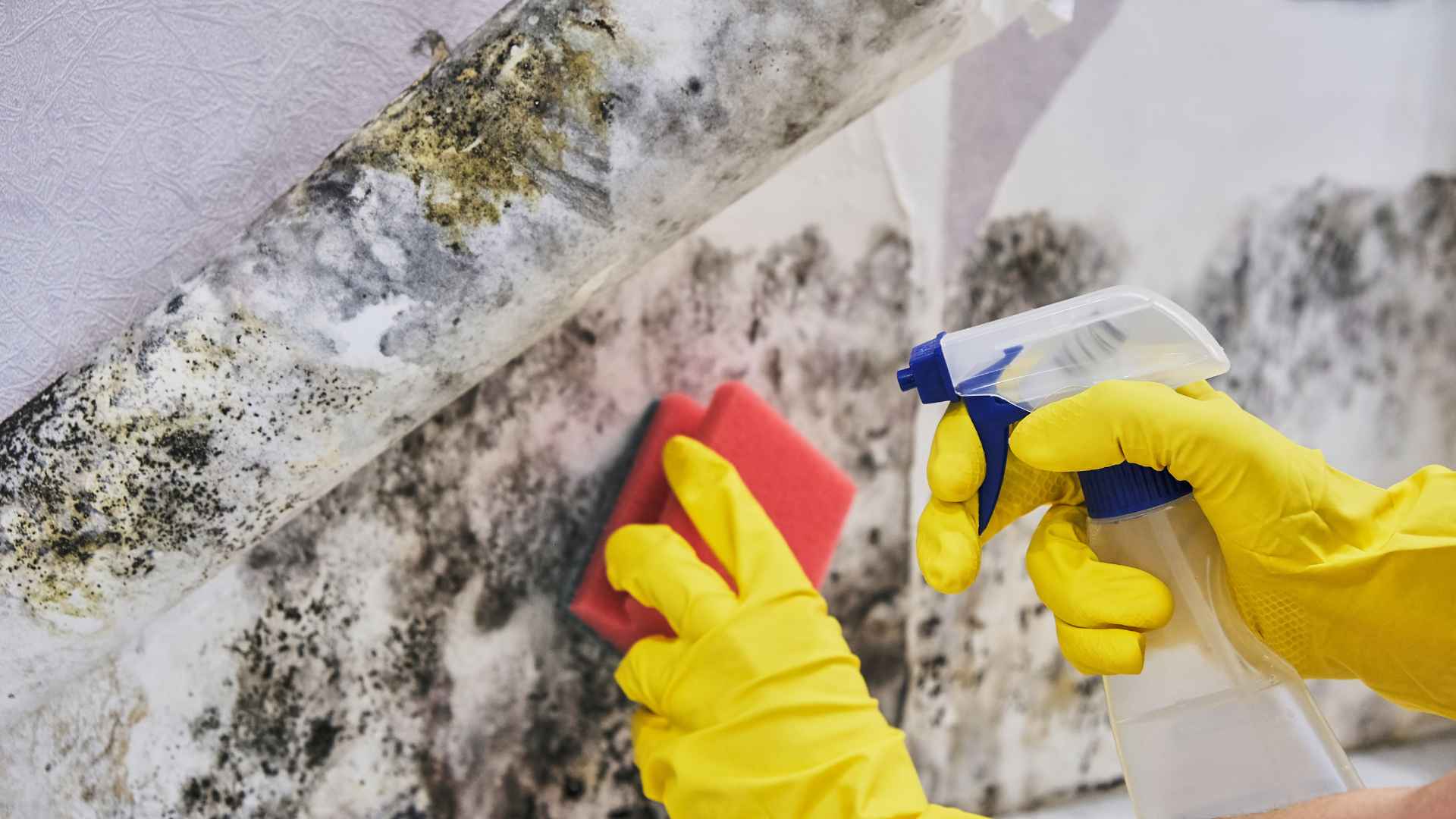
Mold Removal in Rockledge: What Homeowners in Brevard County Should Know
Homeowners in Rockledge often discover mold when something changes inside the home—an odor that won’t go away, discoloration on a ceiling, or a room that suddenly feels damp. In Brevard County, mold removal isn’t just about cleaning what you can see. It’s about understanding why mold developed, how far it may have spread, and what it takes to remove it properly so it doesn’t return.
Rockledge homes face Florida’s familiar mix of humidity, heavy rainfall, and year-round air conditioning. These conditions make mold common, but they also make proper removal especially important.
What Mold Removal Really Involves
Mold removal is not the same as wiping down a surface.
True mold removal addresses both the mold growth and the moisture conditions that allowed it to develop. Without correcting moisture, mold removal becomes temporary—growth may disappear briefly and then return in the same place or somewhere nearby.
In Rockledge homes, mold is often connected to humidity control issues, HVAC condensation, plumbing leaks, roof intrusion, or storm-related moisture. Effective removal starts with identifying those contributors.
Why Mold Removal Is Common in Rockledge
Brevard County experiences high humidity most of the year, and Rockledge’s inland location doesn’t eliminate moisture challenges. Warm air, frequent rain, and sealed homes mean moisture can linger indoors.
Many Rockledge homes are built on slab foundations. When water enters—whether from a leak, spill, or storm—it can become trapped beneath flooring. Attics are another common problem area, where warm, humid air condenses on roof decking if ventilation is limited.
Because mold doesn’t need flooding to grow, removal is often required even when homeowners don’t recall a major water event.
Common Places Mold Is Found in Rockledge Homes
Mold removal projects in Rockledge frequently involve familiar areas.
Bathrooms are a major hotspot due to steam and limited ventilation. Mold often appears on ceilings, grout, caulk, and behind walls near showers or tubs.
HVAC systems are another frequent source. Condensation in air handlers, clogged drain lines, or damaged duct insulation can introduce moisture into walls, ceilings, and closets.
Attics commonly develop mold on roof decking and framing after roof leaks or prolonged condensation.
Under flooring—especially tile, laminate, or vinyl—moisture can support hidden mold growth long before surface signs appear.
Early Signs Mold Removal May Be Needed
Mold doesn’t always announce itself clearly.
A persistent musty or earthy odor is one of the most common signs. In Rockledge homes, this smell may become stronger when the AC runs or after the house has been closed up.
Visible clues include discoloration on walls or ceilings, peeling paint, bubbling drywall, or baseboards pulling away from walls.
Warped flooring, soft drywall, or cabinets that feel swollen often indicate moisture inside materials—where mold may already be active.
Why Cleaning Alone Is Not Mold Removal
One of the biggest misconceptions is that mold removal equals cleaning.
Surface cleaning can improve appearance, but it rarely removes mold growing inside porous materials like drywall, wood, or insulation. In Florida’s humid climate, moisture inside these materials allows mold to continue growing beneath the surface.
Bleach and household cleaners do not penetrate porous materials effectively and may add moisture, making the problem worse.
Proper mold removal often requires removing affected materials—not just wiping them down.
The Risks of Delaying Mold Removal
Delaying mold removal allows growth to spread.
Mold can move into additional building materials, increasing the scope of work required later. What begins as a small area can extend into walls, ceilings, or multiple rooms.
In homes with central air conditioning, mold-related moisture can be distributed through airflow, affecting areas far from the original source.
Addressing mold early usually keeps removal more contained and less disruptive.
Why DIY Mold Removal Often Backfires
DIY mold removal is common, but it frequently creates new problems.
Scrubbing or sanding mold without containment can release mold particles into the air. In Rockledge homes, those particles can spread through HVAC systems and settle elsewhere.
DIY methods also focus on what’s visible, not what’s hidden. Moisture sources like slow leaks or condensation issues remain untreated, allowing mold to return.
Without proper moisture correction, DIY removal often turns into a cycle of repeated cleaning and frustration.
How Professional Mold Removal Is Approached
Professional mold removal follows a structured process.
The first step is understanding moisture. Inspections identify where water is entering or accumulating and how long materials have been affected.
Containment is then used to isolate affected areas. This prevents mold from spreading during removal.
Depending on severity, affected materials may be cleaned, treated, or removed. Porous materials with extensive growth—such as drywall or insulation—often require removal and replacement.
Just as important is correcting the moisture source. This may involve plumbing repairs, HVAC adjustments, roof repairs, ventilation improvements, or humidity control.
Local professionals such as Brevard Mold Inspections & Removal emphasize solving the cause, not just removing the symptoms.
Mold Removal in HVAC Systems
HVAC-related mold is a common reason homeowners in Rockledge seek professional help.
Air handlers naturally produce condensation. When drain lines clog or pans crack, moisture can leak into surrounding materials. Ductwork with damaged insulation can also develop internal condensation.
Mold removal in HVAC systems requires specialized handling. Simply cleaning vents does not address growth inside the system.
Proper removal includes inspecting and cleaning affected components and correcting drainage or airflow issues to prevent recurrence.
What Happens After Mold Is Removed
Successful mold removal doesn’t end with cleanup.
After removal, drying and moisture control are critical. Materials must remain dry long enough to prevent regrowth.
Homeowners may be advised on ventilation improvements, HVAC maintenance, or humidity management to reduce future risk.
In many cases, post-removal verification or follow-up inspections provide reassurance that conditions have stabilized.
Preventing Mold After Removal
Prevention is the long-term goal.
Regular HVAC maintenance helps control humidity and prevent condensation-related issues. Drain lines should be kept clear, filters replaced regularly, and duct insulation maintained.
Bathroom exhaust fans should vent outdoors and be used consistently during and after showers.
After storms or heavy rain, attics, ceilings, and exterior walls should be checked for leaks or moisture intrusion.
Promptly addressing small leaks prevents the conditions that allow mold to return.
Why Local Experience Matters in Mold Removal
Mold removal is not one-size-fits-all.
Rockledge homes face Florida-specific challenges: high humidity, slab foundations, seasonal storms, and HVAC systems that run most of the year. Local experience helps professionals understand how moisture behaves in these homes and where mold is most likely to develop.
What works in dry or cooler climates often fails in Brevard County.
When to Seek Professional Mold Removal
Professional mold removal is worth considering when:
- Mold keeps returning after cleaning
- Growth appears on drywall, ceilings, or inside HVAC systems
- There is a persistent musty odor
- The home has experienced leaks, storms, or water damage
- Mold covers a large area or multiple rooms
Early evaluation usually leads to simpler solutions.
A Practical Takeaway for Rockledge Homeowners
Mold removal in Rockledge is less about reacting to what you see and more about addressing moisture correctly.
When mold appears, cleaning alone rarely solves the problem. Understanding where moisture is coming from and removing affected materials properly makes the difference between a temporary fix and a lasting solution.
With accurate assessment, proper removal, and local expertise, Rockledge homeowners can address mold confidently, protect their homes, and reduce the chance of future problems.