Mold FAQs in Satellite Beach: What Homeowners in Brevard County Should Know
Living in Satellite Beach means enjoying ocean breezes and coastal views—but it also means dealing with constant humidity, salt air, and moisture. Because of this, mold questions come up frequently for homeowners here. Some concerns start with visible growth, others with musty odors, and many with simple uncertainty: Is this normal for Florida, or is something wrong with my home?
This FAQ-style guide answers the most common mold questions Satellite Beach homeowners ask. The goal isn’t to alarm—it’s to explain how mold behaves locally, what really matters, and when it makes sense to take action.
Is Mold Common in Satellite Beach Homes?
Yes. Mold is very common in Satellite Beach, even in clean and well-maintained homes.
This is mainly due to:
- High year-round coastal humidity
- Salt air that degrades seals and building materials
- Wind-driven rain during storms
- Long AC run times creating condensation
- Homes kept sealed and air-conditioned most of the year
Mold doesn’t require flooding or neglect—it often develops slowly from everyday moisture.
Is All Mold Dangerous?
No. Not all mold is considered dangerous.
Important things to understand:
- Mold exists naturally indoors and outdoors
- Many types of mold look dark or alarming
- Color alone doesn’t determine risk
- The main issue is active growth caused by moisture
What matters most is why mold is growing, how widespread it is, and whether moisture conditions are ongoing.
Why Does Mold Keep Coming Back After Cleaning?
This is one of the most common questions from Satellite Beach homeowners.
Mold keeps returning because:
- Cleaning removes surface growth only
- Mold roots remain inside porous materials
- Hidden mold is untouched
- Moisture sources are still present
As long as moisture isn’t corrected, mold will continue to regrow—even after repeated cleaning.
Where Does Mold Commonly Hide in Coastal Homes?
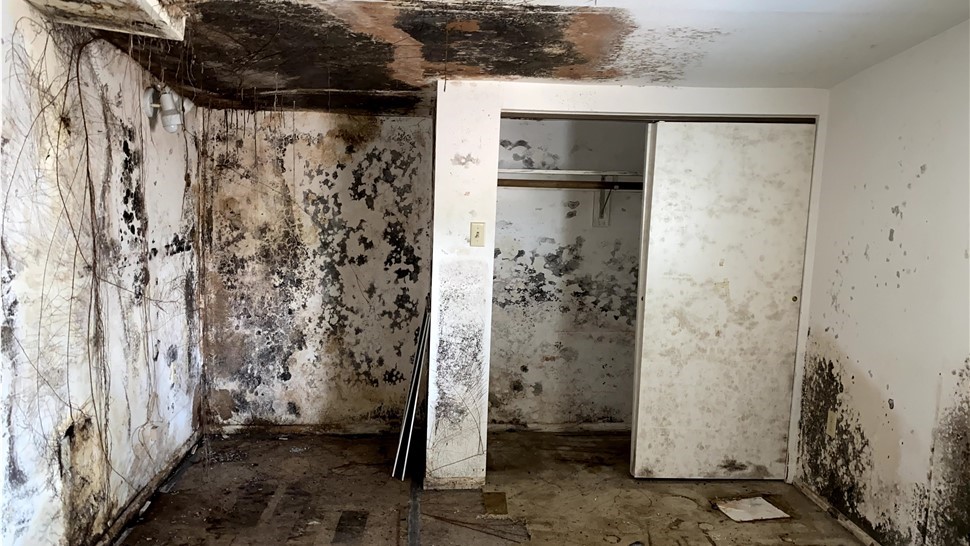
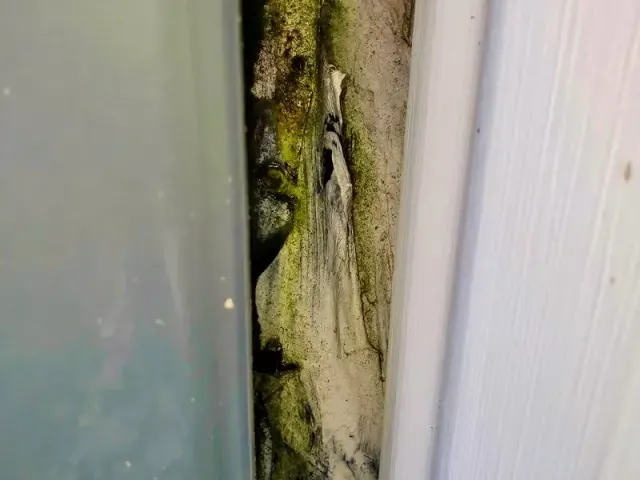
In Satellite Beach, mold often grows out of sight before becoming visible.
Common hidden locations include:
- Behind drywall near plumbing
- Under laminate or vinyl flooring
- Inside wall cavities on exterior walls
- Attics after storms
- HVAC air handlers and ductwork
- Closets with limited airflow
Visible mold is often just a symptom of a larger moisture issue.
Can Mold Grow Without a Leak?
Yes. Mold frequently grows without any obvious leak.
In coastal homes, mold often develops from:
- High indoor humidity
- AC condensation
- Poor ventilation
- Moist air trapped in walls or ceilings
Many Satellite Beach mold problems are humidity-related rather than leak-related.
Why Does My Home Smell Musty but I Don’t See Mold?
Musty odors are often the first sign of hidden mold.
This usually means:
- Mold is growing behind walls or under floors
- HVAC systems are circulating odors
- Attics or crawl spaces are affected
Odors often appear before mold becomes visible, especially in Florida’s climate.
Does Mold Spread Through the Air?
Yes. Mold spreads through microscopic spores.
Once mold is disturbed:
- Spores become airborne
- HVAC systems can distribute them
- Mold may appear in new areas
This is why aggressive scrubbing or DIY cleanup sometimes makes mold problems feel worse.
Is Bleach Effective for Killing Mold?
Bleach is commonly used—but often misunderstood.
Bleach:
- Removes surface discoloration
- Does not penetrate drywall or wood
- Adds moisture to materials
- Does not eliminate mold roots
Bleach may improve appearance temporarily, but it does not solve the underlying problem.
Can Mold Grow in HVAC Systems?
Yes—and it’s very common in Satellite Beach homes.
Mold can grow in:
- Evaporator coils
- Condensate drain pans
- Air handlers
- Insulated ductwork
Because HVAC systems circulate air, mold here can affect the entire home.
Why Is Mold Worse After Storms or Power Outages?
After storms or outages:
- AC systems stop removing moisture
- Indoor humidity rises quickly
- Materials absorb moisture
- Mold can begin growing within days
Mold often appears weeks later, long after the storm has passed.
Do Newer Homes Get Mold Too?
Yes. Newer homes are not immune.
In fact, newer Satellite Beach homes can be more prone to hidden mold because:
- Tighter construction traps moisture
- Reduced natural airflow
- Heavy reliance on mechanical ventilation
Newer homes often hide moisture longer before mold becomes visible.
When Is Mold Testing Actually Helpful?
Mold testing is not always necessary, but it can help when:
- Mold is suspected but not visible
- Odors persist without a clear source
- HVAC involvement is suspected
- Confirmation is needed after remediation
Testing works best when guided by a professional inspection.
What Does a Mold Inspection Focus On?
A mold inspection focuses on moisture behavior, not just mold appearance.
An inspection may include:
- Moisture readings in walls and floors
- Attic inspection for storm-related moisture
- HVAC system evaluation
- Identification of hidden mold-prone areas
The goal is to understand why mold is growing.
Brevard Mold Inspections & Removal works with Satellite Beach homeowners to answer mold questions clearly, evaluate moisture conditions, and explain options without pressure or scare tactics.
Can Mold Be Prevented in Satellite Beach?
Mold can’t be eliminated completely—but it can be controlled.
Effective prevention includes:
- Managing indoor humidity
- Using bathroom exhaust fans properly
- Maintaining HVAC systems
- Addressing leaks promptly
- Allowing airflow in closets and storage areas
- Inspecting attics after storms
Consistency matters more than aggressive cleaning.
When Should Homeowners Be Concerned?
It’s time to look deeper when:
- Mold keeps returning
- Musty odors persist
- Mold appears in multiple rooms
- Odors worsen when AC runs
- Floors or walls feel damp
These signs usually indicate hidden moisture problems.
What Happens If Mold Is Ignored?
Ignoring mold doesn’t make it go away.
Over time:
- Mold spreads to new areas
- Odors intensify
- Materials deteriorate
- Remediation becomes more extensive
Early evaluation often prevents larger issues later.
Why Local Experience Matters in Satellite Beach
Mold behaves differently in coastal Florida than in dry climates. Satellite Beach homes face challenges tied to humidity, salt air, storms, slab foundations, and long cooling seasons.
Local professionals understand:
- Where mold commonly hides in beachside homes
- How coastal moisture behaves indoors
- How long materials actually take to dry
Local insight leads to better outcomes.
A Calm, Practical Takeaway for Homeowners
Mold questions are common in Satellite Beach—and they’re reasonable. Most mold problems aren’t caused by neglect or extreme events. They develop slowly from moisture that wasn’t fully controlled.
If you’re dealing with recurring mold, musty odors, or uncertainty about what you’re seeing, a professional inspection can provide clarity. Understanding how moisture behaves in your home is the most effective way to manage mold and protect your property in Brevard County’s coastal environment.