
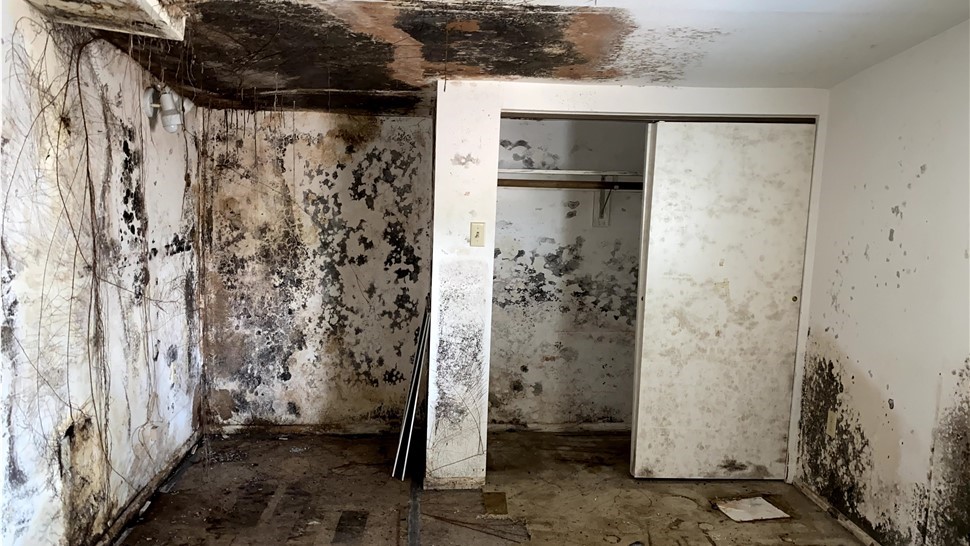
Toxic Mold in Indian Harbour Beach: What Homeowners in Brevard County Should Know
Homeowners in Indian Harbour Beach often become concerned when they hear the phrase toxic mold. In coastal Brevard County, where humidity is constant and storms are part of life, mold is common—but the way it’s discussed can create unnecessary fear and confusion.
The truth is more practical and less alarming. Mold problems in Indian Harbour Beach are almost always moisture problems first. Understanding what people usually mean by “toxic mold,” why it shows up in local homes, and how it’s properly evaluated helps homeowners respond calmly and correctly.
What People Usually Mean by “Toxic Mold”
“Toxic mold” is not a technical or regulatory term. Homeowners typically use it to describe mold they believe is harmful, aggressive, or linked to persistent odors or discomfort.
In real-world inspections, what matters most is:
- How much mold is present
- Where it’s growing
- What moisture conditions are allowing it to exist
Dark-colored mold, strong odors, or recurring growth often lead people to label mold as “toxic,” even though color and appearance alone don’t determine severity.
The focus should always be on moisture control and extent of growth—not the label.
Why Mold Concerns Are Common in Indian Harbour Beach
Indian Harbour Beach sits directly along the coast, which brings constant exposure to moist ocean air. Even on clear days, outdoor humidity remains high. When that humid air enters a cooled home, condensation can form on walls, ceilings, ductwork, and inside building cavities.
Brevard County also experiences frequent storms. Wind-driven rain can push water into roofs, windows, and exterior walls without causing obvious flooding. Salt air accelerates wear on seals, fasteners, and HVAC components, creating small but persistent moisture pathways.
These conditions make mold growth common—not because homes are poorly maintained, but because moisture is difficult to manage in a coastal environment.
Where Mold Often Grows in Coastal Homes
Mold that raises concern is often found in areas that stay damp or have limited airflow.
Attics are a frequent problem area. Warm, humid air rises from living spaces and condenses on cooler roof decking if ventilation is inadequate. This can lead to widespread mold growth on wood surfaces that homeowners rarely see.
HVAC systems are another common source. Condensation forms naturally during cooling. If drain lines clog, drain pans crack, or duct insulation fails, moisture can build up inside air handlers or ducts.
Behind walls and under flooring are also common locations. Slow plumbing leaks, window intrusion, or brief storm-related moisture can soak drywall or flooring materials while surfaces appear dry.
Bathrooms, closets along exterior walls, and cabinets under sinks round out the most frequent trouble spots.
Signs That Mold May Be a Problem
Mold concerns often begin with subtle clues rather than dramatic visual growth.
A persistent musty or earthy odor is one of the most common signs. In Indian Harbour Beach homes, this smell may become stronger when the air conditioning turns on or after the house has been closed up.
Some homeowners notice recurring condensation on vents, windows, or walls. Others see discoloration on ceilings, bubbling paint, or baseboards pulling away from walls.
Rooms that feel damp, sticky, or harder to cool can also indicate elevated humidity or hidden moisture that supports mold growth.
Why Mold Often Appears Without Obvious Water Damage
One reason mold is often labeled “toxic” is because it seems to appear without explanation.
In coastal Florida, mold does not require flooding. Long-term humidity, minor condensation, or slow leaks are enough. Moisture can remain trapped inside drywall, insulation, or flooring for weeks or months.
Paint, tile, and flooring can hide dampness while mold grows behind the scenes. By the time growth becomes visible or odors appear, mold may have been active for quite some time.
Common Myths About Toxic Mold
There are several misconceptions that cause unnecessary worry.
One myth is that certain mold colors automatically mean danger. In reality, color alone doesn’t determine how extensive or problematic mold is.
Another myth is that household cleaners or bleach can eliminate serious mold issues. These products may improve appearance but rarely address mold inside porous materials or correct moisture problems.
Finally, many homeowners believe mold must be “toxic” to require professional attention. In practice, any ongoing mold growth caused by moisture should be addressed, regardless of labels.
Why DIY Cleanup Is Risky
DIY cleanup is one of the most common ways mold problems escalate.
Scrubbing visible mold without containment can release mold particles into the air. In homes with central air conditioning—which run most of the year in Indian Harbour Beach—those particles can spread to other rooms.
Bleach and household cleaners do not penetrate drywall, wood, or insulation effectively. Bleach also adds moisture, which can worsen conditions in humid environments.
DIY efforts often remove surface staining while leaving the underlying moisture issue untouched, leading to rapid recurrence.
How Professional Inspections Evaluate Mold Concerns
A professional mold inspection focuses on facts, not fear.
Inspections typically include a detailed visual assessment, moisture detection using meters, and sometimes thermal imaging to locate damp areas behind walls, under floors, or above ceilings.
Inspectors evaluate HVAC systems, ventilation, and building components that commonly trap moisture in coastal homes. When appropriate, air or surface samples may be collected and sent to an independent laboratory to document mold presence.
Local professionals such as Brevard Mold Inspections & Removal focus on explaining findings clearly so homeowners understand what’s present and why.
What Proper Mold Remediation Involves
Effective remediation addresses both mold and moisture.
Containment is used to prevent mold from spreading during cleanup. Affected materials are cleaned, treated, or removed depending on severity and material type. Porous materials with extensive growth often require removal and replacement.
Equally important is correcting the moisture source. This may include HVAC drainage repairs, improved ventilation, sealing exterior openings, roof repairs, or plumbing fixes.
Without moisture correction, mold is likely to return—regardless of how thorough cleanup appears.
Preventing Mold Problems in Indian Harbour Beach
Prevention is largely about consistent moisture management.
Maintaining HVAC systems helps control humidity and prevent condensation issues. Drain lines should be kept clear, filters replaced regularly, and duct insulation maintained.
Bathroom exhaust fans should vent outdoors and be used during and after showers long enough to remove humidity.
After storms, attics, ceilings, and areas near windows or doors should be checked for signs of moisture intrusion.
Monitoring indoor humidity—especially during humid months or when the home is vacant—helps catch problems early.
Why Local Experience Matters
Mold concerns are not the same everywhere.
Indian Harbour Beach homes face coastal humidity, salt air, frequent storms, and slab foundations. Local experience helps professionals understand how moisture behaves in these homes and where mold is most likely to develop.
Approaches that work in dry climates often fail here.
A Practical Takeaway for Indian Harbour Beach Homeowners
“Toxic mold” is a term rooted more in concern than in science. In Indian Harbour Beach, mold problems are almost always tied to moisture—humidity, condensation, or hidden water intrusion.
If you’re noticing persistent odors, recurring mold, or signs of hidden moisture, a professional inspection can provide clarity without unnecessary alarm. With accurate information and local expertise, homeowners can address mold issues calmly, effectively, and with long-term results.