
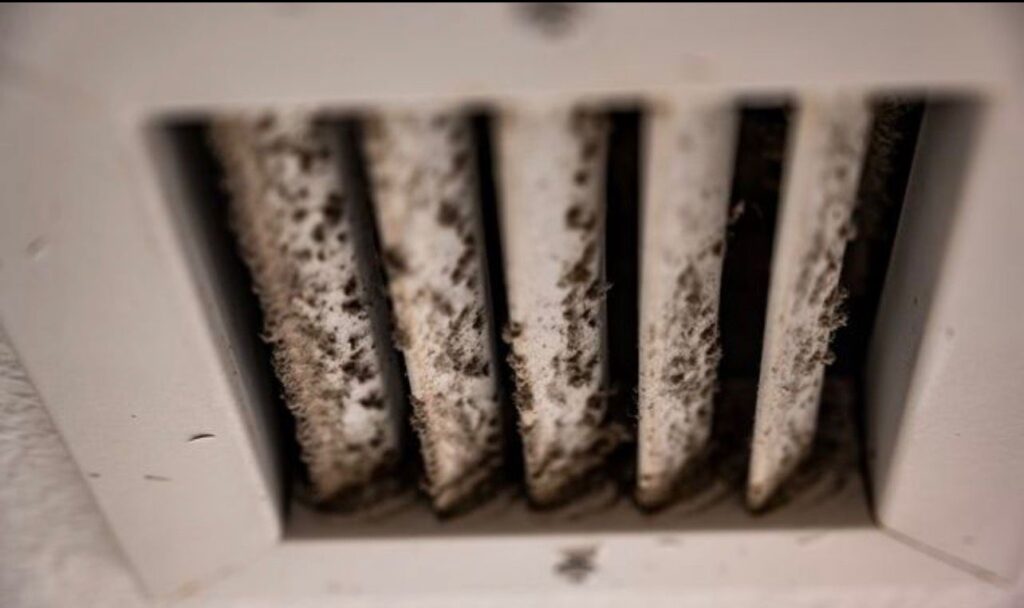
Mold in HVAC Systems in Indian Harbour Beach: What Homeowners in Brevard County Should Know
Mold in HVAC Systems in Indian Harbour Beach: What Homeowners in Brevard County Should KnowIn Indian Harbour Beach, air conditioning runs almost year-round—and that makes HVAC systems one of the most common places for mold to grow. Coastal humidity, salt air, and constant condensation inside AC components create ideal conditions for mold to thrive, often out of sight.When mold develops inside an HVAC system, it doesn’t stay contained. Every time the system runs, mold spores can be circulated throughout the home, affecting indoor air quality and comfort.⸻Why HVAC Mold Is Common in Indian Harbour Beach HomesHVAC systems naturally produce moisture, but coastal conditions increase the risk significantly.Common contributing factors include: • High coastal humidity year-round • Condensation on coils and drain pans • Clogged or slow AC drain lines • Salt air accelerating corrosion and moisture retention • Poor airflow or dirty filtersOver time, these conditions allow mold to grow inside air handlers, ducts, and vents.⸻Where Mold Grows Inside HVAC SystemsMold doesn’t usually grow where homeowners can see it.Common HVAC mold locations include: • Evaporator coils • Drain pans and drain lines • Air handlers • Insulated ductwork • Supply and return ventsBecause these areas are hidden, mold can spread for months before it’s discovered.⸻Signs of Mold in Your HVAC SystemHVAC mold often causes symptoms before it’s visible.Watch for: • Musty or mildew-like odors when AC runs • Increased allergy or respiratory symptoms indoors • Uneven airflow or lingering smells from vents • Mold growth near supply or return vents • Excess moisture around the air handlerIf symptoms improve when the AC is off, the system may be the source.⸻Health Risks of HVAC Mold ExposureWhen mold spores circulate through ductwork, exposure becomes constant.Possible health effects include: • Chronic coughing or congestion • Worsened asthma or allergies • Headaches and fatigue • Eye, nose, or throat irritationChildren, seniors, and those with respiratory conditions are especially sensitive to HVAC-related mold exposure.⸻Why DIY HVAC Cleaning Isn’t EnoughHousehold vent cleaning or filter changes won’t eliminate mold inside the system.DIY risks include: • Incomplete removal of mold colonies • Spreading spores through ductwork • Exposure to airborne mold • Mold quickly returning due to moisture issuesProfessional assessment is needed to address both mold and moisture sources.⸻How Professionals Remove Mold from HVAC SystemsProfessional HVAC mold remediation follows strict procedures.Inspection & AssessmentTechnicians identify mold growth and moisture problems.ContainmentAffected areas are isolated to prevent spore spread.Air FiltrationHEPA filtration removes airborne mold spores during cleaning.System Cleaning & TreatmentCoils, drain pans, ducts, and air handlers are thoroughly cleaned and treated.Moisture ControlDrainage, airflow, and humidity issues are corrected to prevent regrowth.⸻Preventing Mold in Your HVAC SystemPrevention is especially important in coastal homes.Helpful steps include: • Changing air filters regularly • Keeping AC drain lines clear • Scheduling routine HVAC maintenance • Controlling indoor humidity below 55% • Using dehumidifiers when neededThese steps help keep HVAC systems dry and mold-resistant.⸻Final ThoughtsMold in HVAC systems in Indian Harbour Beach is a serious indoor air quality issue—not just a maintenance problem. Because the system distributes air throughout the home, mold inside it can affect every room.Early detection, professional cleaning, and moisture control are key to keeping your HVAC system—and your indoor air—clean and healthy. If you’d like, I can continue with more Indian Harbour Beach or Brevard County mold-related topics using this same structure and image style.