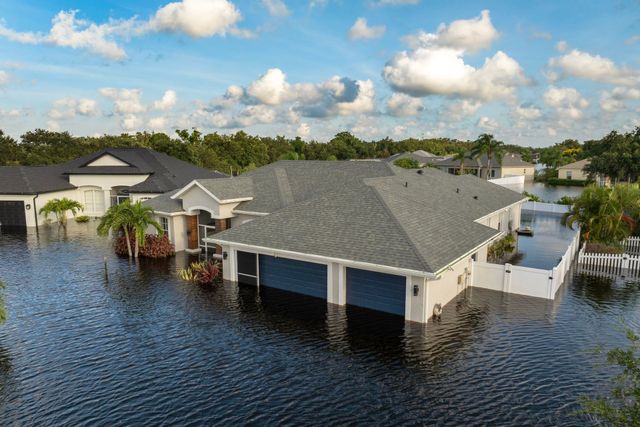
Mold After Hurricanes in Cape Canaveral: What Homeowners in Brevard County Should Know
In Cape Canaveral, hurricanes are a fact of life. Even when a storm passes without dramatic flooding or visible destruction, many homeowners are surprised to discover mold problems weeks—or even months—later. That’s because mold after hurricanes in Brevard County often develops quietly, driven by lingering moisture, high humidity, and slowed drying rather than obvious damage.
Understanding how hurricanes affect homes in Cape Canaveral, where mold commonly develops afterward, and why problems often show up late helps homeowners respond early and avoid long-term issues.
Why Hurricanes Increase Mold Risk in Cape Canaveral
Cape Canaveral’s coastal location puts homes directly in the path of storm-related moisture. Hurricanes don’t just bring rain—they bring wind-driven water, power outages, pressure changes, and sustained humidity, all of which affect how homes dry.
Local factors that increase post-hurricane mold risk include:
- Wind-driven rain entering small roof or wall gaps
- Prolonged high humidity after storms
- Power outages that shut down AC systems
- Salt air and moisture degrading seals and materials
- Slab foundations that trap moisture beneath flooring
- Homes sealed tightly to protect against storms
Even when a home appears dry, moisture may still be trapped inside building materials.
Mold After Hurricanes Often Appears Late
One of the most frustrating aspects of hurricane-related mold is delayed onset.
Mold commonly appears:
- Weeks after the storm has passed
- After repairs seem complete
- Once AC systems resume normal operation
- As humidity stays elevated indoors
This delay happens because materials can remain damp internally even when surfaces feel dry. Mold grows once conditions stabilize—quietly and out of sight.
Common Ways Hurricanes Introduce Moisture
Hurricanes don’t need to flood a home to cause mold.
Moisture often enters through:
- Wind-driven rain around windows and doors
- Roof shingles or flashing loosened by high winds
- Soffits and vents damaged by pressure changes
- Minor plumbing shifts caused by structural movement
- Seawater-laden air infiltrating small openings
These pathways often leave no obvious water stains initially.
Power Outages and Mold Growth
Power outages are one of the biggest mold triggers after hurricanes in Cape Canaveral.
During outages:
- AC systems stop removing moisture
- Indoor humidity rises rapidly
- Materials absorb moisture from the air
- Ventilation is reduced
When power is restored, mold may already be developing inside walls, floors, and HVAC systems.
HVAC Systems and Post-Hurricane Mold
HVAC systems are especially vulnerable after storms.
Common post-hurricane HVAC issues include:
- Standing water in condensate drain pans
- Clogged or overwhelmed drain lines
- Damp ductwork absorbing moisture
- Mold growth inside air handlers
Once mold develops in HVAC components, spores and odors can circulate throughout the home, making the issue feel widespread.
Slab Foundations and Under-Floor Mold
Most Cape Canaveral homes are built on slab foundations. After heavy rain or storm surge nearby—even without direct flooding—moisture can migrate upward through the slab.
This can cause:
- Mold under laminate, vinyl, or carpet flooring
- Persistent musty odors
- Floors that feel damp or cool
- Mold appearing long after the storm
Under-floor mold is one of the most commonly missed hurricane-related issues.
Attic Mold After Hurricanes
Attics are another major mold risk area after storms.
Hurricanes can introduce attic moisture through:
- Wind-driven rain entering roof gaps
- Damaged flashing or vents
- Bathroom fans venting moist air into attics
- High humidity trapped by poor ventilation
Because attics aren’t regularly checked, mold can spread extensively before being discovered.
Why “Drying Out” Isn’t Always Enough
Many homeowners rely on fans, open windows, or brief AC use after storms.
This often fails because:
- Fans don’t dry inside walls or floors
- Opening windows can introduce more humidity
- Surface drying doesn’t remove internal moisture
- Salt air slows evaporation
In Florida’s climate, incomplete drying almost always leads to mold.
Warning Signs Mold Is Developing After a Hurricane
Mold after hurricanes often gives subtle clues before becoming visible.
Watch for:
- Musty or earthy odors
- Odors stronger when the AC runs
- Mold returning after cleaning
- Discoloration on ceilings or walls
- Flooring that feels damp or cool
- Increased indoor humidity
These signs usually point to hidden moisture from the storm.
Why DIY Cleanup After Hurricanes Is Risky
DIY cleanup after storms can unintentionally make mold problems worse.
Risks include:
- Spreading mold spores by scrubbing
- Missing hidden moisture pockets
- Adding moisture during cleaning
- Failing to address HVAC or attic issues
Post-hurricane mold often requires careful evaluation, not just surface cleanup.
The Role of a Professional Mold Inspection
After a hurricane, a professional mold inspection focuses on where moisture went and where it remains, not just visible mold.
An inspection may include:
- Moisture readings in walls and floors
- Attic inspection for storm-related intrusion
- HVAC system evaluation
- Identifying hidden mold-prone areas
- Explaining how the hurricane affected drying
This helps homeowners understand whether mold is present and what steps actually make sense.
Brevard Mold Inspections & Removal works with Cape Canaveral homeowners after hurricanes to assess moisture conditions carefully, identify hidden risks, and explain findings clearly—without alarm or guesswork.
Mold Testing After Hurricanes
Mold testing isn’t always required, but it can help when:
- Mold is suspected but not visible
- Odors persist weeks after the storm
- HVAC involvement is suspected
- Confirmation is needed after remediation
Testing is most effective when guided by inspection results.
Proper Mold Remediation After Hurricanes
When mold is confirmed, remediation must address both mold and moisture.
A proper approach may include:
- Containment to prevent spore spread
- Removal of contaminated porous materials
- Cleaning remaining surfaces appropriately
- Correcting moisture sources
- Thorough drying and humidity control
Skipping moisture correction is the most common reason post-hurricane mold returns.
Preventing Mold After Future Hurricanes
While hurricanes can’t be prevented, mold problems often can.
Helpful prevention steps include:
- Restoring AC operation as soon as safely possible
- Monitoring indoor humidity after storms
- Inspecting attics and HVAC systems
- Checking floors and walls for delayed moisture
- Addressing small leaks immediately
Early action makes a significant difference.
Newer Homes and Hurricane Mold
Even newer Cape Canaveral homes can develop mold after hurricanes.
Reasons include:
- Tighter construction trapping moisture
- Reduced natural airflow
- Heavy reliance on mechanical systems
Newer homes often dry more slowly without active moisture control.
Why Local Cape Canaveral Experience Matters
Mold after hurricanes behaves differently in coastal Florida than inland or dry regions. Cape Canaveral homes face challenges tied to salt air, storms, slab foundations, and long cooling seasons.
Local professionals understand:
- How hurricanes affect Cape Canaveral homes specifically
- Where moisture commonly hides after storms
- How long drying actually takes in this climate
Local experience leads to more accurate assessments and lasting solutions.
A Calm, Practical Takeaway for Homeowners
Mold after hurricanes in Cape Canaveral is common—but it’s manageable when addressed correctly. Most problems develop because moisture wasn’t fully removed, not because damage was severe or obvious.
If your home experienced a hurricane and you’re now noticing odors, humidity issues, or recurring mold, a professional inspection can provide clarity. Identifying where storm moisture remains is the most effective way to protect your home and prevent long-term mold problems in Brevard County’s coastal environment.