
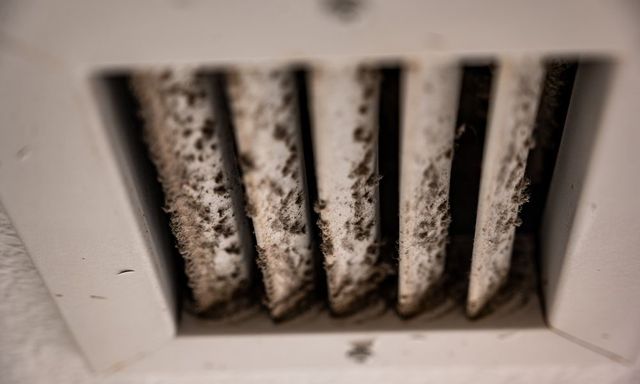
Mold in HVAC Systems in Palm Bay: What Homeowners in Brevard County Should Know
For homeowners in Palm Bay, the HVAC system works almost nonstop. With Florida heat and humidity, air conditioning isn’t a luxury—it’s a necessity. That constant operation, however, makes HVAC systems one of the most common places mold develops in Brevard County homes.
Mold in an HVAC system is different from mold on a bathroom wall. When mold grows inside air handlers or ductwork, it doesn’t stay contained. Every time the system runs, air moves through those components, which can spread moisture, odors, and mold-related issues throughout the home. Understanding why HVAC mold happens, how to recognize it, and how it’s properly handled helps Palm Bay homeowners avoid ongoing problems.
Why HVAC Systems Are Prone to Mold in Palm Bay
Air conditioning systems naturally create moisture. Warm, humid air passes over cold evaporator coils, causing condensation to form. Under normal conditions, that moisture drains away through a condensate line.
In Palm Bay homes, problems arise when:
- Drain lines clog or back up
- Drain pans crack or overflow
- Airflow is restricted
- Duct insulation is damaged
- Indoor humidity stays consistently high
Brevard County has high humidity most of the year, which means HVAC components often stay damp longer than intended. When moisture lingers, mold can begin growing inside the system—often without obvious warning signs.
Common Places Mold Grows Inside HVAC Systems
Mold inside HVAC systems usually develops in specific, predictable areas.
Air handlers are one of the most common locations. Condensation collects here regularly, and even a small drainage issue can allow standing water to develop.
Evaporator coils can trap moisture and dust. If coils are dirty or airflow is reduced, moisture may not evaporate properly.
Drain pans and condensate lines are frequent problem spots. When they clog or overflow, water can spill into surrounding materials.
Ductwork, especially flexible ducts or poorly insulated sections, can develop condensation inside walls or ceilings. Dust inside ducts provides organic material mold can grow on.
Because these components are hidden, mold often goes unnoticed until secondary signs appear.
Signs Mold May Be Present in the HVAC System
HVAC-related mold doesn’t always look like visible patches.
One of the most common signs is a musty or sour odor that appears when the air conditioner turns on. In Palm Bay homes, this smell may be strongest after the system hasn’t run for a while.
Homeowners may also notice:
- Odors coming from supply vents
- Mold returning in multiple rooms despite cleaning
- Rooms feeling damp or uncomfortable
- Increased condensation around vents
Because the HVAC system serves the entire house, a localized mold issue inside the system can affect multiple areas at once.
Why HVAC Mold Often Goes Undetected
Unlike plumbing leaks or roof damage, HVAC mold develops quietly.
The system is designed to be closed and hidden, so homeowners rarely see what’s happening inside. Mold can grow on internal components long before any visible signs appear in living spaces.
In Palm Bay’s humid climate, mild condensation issues can persist for months without obvious symptoms. By the time odors or recurring mold appear, growth inside the system may already be established.
How HVAC Mold Can Spread Through the Home
When mold grows inside an HVAC system, airflow becomes a factor.
Each time the system runs, air passes over damp components. This can distribute mold-related odors and moisture throughout ductwork and into living spaces.
This is why homeowners sometimes see mold appearing in multiple rooms at the same time or notice that cleaning one area doesn’t stop the problem from returning.
Addressing HVAC mold requires focusing on the system itself—not just the rooms it serves.
Common Causes of HVAC Mold in Palm Bay Homes
Professional inspections in Palm Bay frequently trace HVAC mold back to a few root causes.
Poor maintenance is one of the biggest contributors. Dirty coils, clogged drain lines, and neglected filters all interfere with proper moisture control.
Oversized systems can cool air too quickly without removing enough humidity, leaving moisture behind.
Damaged or missing duct insulation allows condensation to form inside walls or ceilings.
Storms and power outages also play a role. When AC systems stop running during humid conditions, moisture can accumulate rapidly inside components.
Why DIY HVAC Mold Cleanup Is Risky
DIY HVAC mold cleanup often makes problems worse.
Spraying cleaners into vents or wiping visible areas does not remove mold inside air handlers or ductwork. These methods can disturb mold and spread it further into the system.
Household cleaners and bleach are not designed for HVAC components and may damage equipment or introduce additional moisture.
Without containment or system knowledge, DIY efforts often result in recurring mold and persistent odors.
What a Professional HVAC Mold Inspection Involves
A professional inspection looks beyond visible mold.
Inspectors evaluate the air handler, evaporator coils, drain pan, condensate line, and accessible ductwork. Moisture meters may be used to identify damp insulation or surrounding materials.
Airflow, humidity control, and drainage are assessed to determine why mold developed in the first place.
When appropriate, air or surface samples may be collected and sent to an independent laboratory to document mold presence and extent.
Local professionals such as Brevard Mold Inspections & Removal focus on identifying both the mold and the moisture conditions causing it.
How HVAC Mold Is Properly Addressed
Effective remediation depends on severity and location.
The process may include:
- Containment to prevent spread
- Cleaning or treating affected HVAC components
- Replacing contaminated insulation or duct sections if needed
- Correcting drainage, airflow, or humidity issues
Moisture control is essential. Without fixing the underlying cause—such as a clogged drain line or poor airflow—mold is likely to return even after thorough cleaning.
Proper remediation restores the system to a dry, stable condition rather than just removing visible growth.
Preventing Mold in HVAC Systems Going Forward
Prevention starts with routine maintenance.
Condensate drain lines should be inspected and cleared periodically. Filters should be replaced as recommended to maintain proper airflow.
Coils and drain pans should be kept clean, and duct insulation should remain intact to prevent condensation.
Monitoring indoor humidity helps identify when the system may not be removing enough moisture. After storms or power outages, HVAC systems should be checked for signs of moisture buildup.
These steps significantly reduce the risk of mold developing inside the system.
Why Local Experience Matters in Palm Bay
HVAC mold behaves differently depending on climate and construction.
Palm Bay homes face high humidity, frequent storms, slab foundations, and Florida-specific HVAC designs. Local experience helps professionals understand how moisture behaves inside these systems and where mold is most likely to develop.
Approaches that work in drier regions often fail in Brevard County.
A Practical Takeaway for Palm Bay Homeowners
Mold in HVAC systems is common in humid climates like Palm Bay, but it doesn’t have to become a recurring issue.
If you’re noticing musty odors, recurring mold, or discomfort tied to AC operation, a professional inspection can provide clarity. Addressing HVAC mold early protects the system, improves indoor comfort, and prevents spread throughout the home.
With accurate assessment, proper moisture control, and local expertise, Palm Bay homeowners can keep their HVAC systems clean, dry, and functioning as intended.