
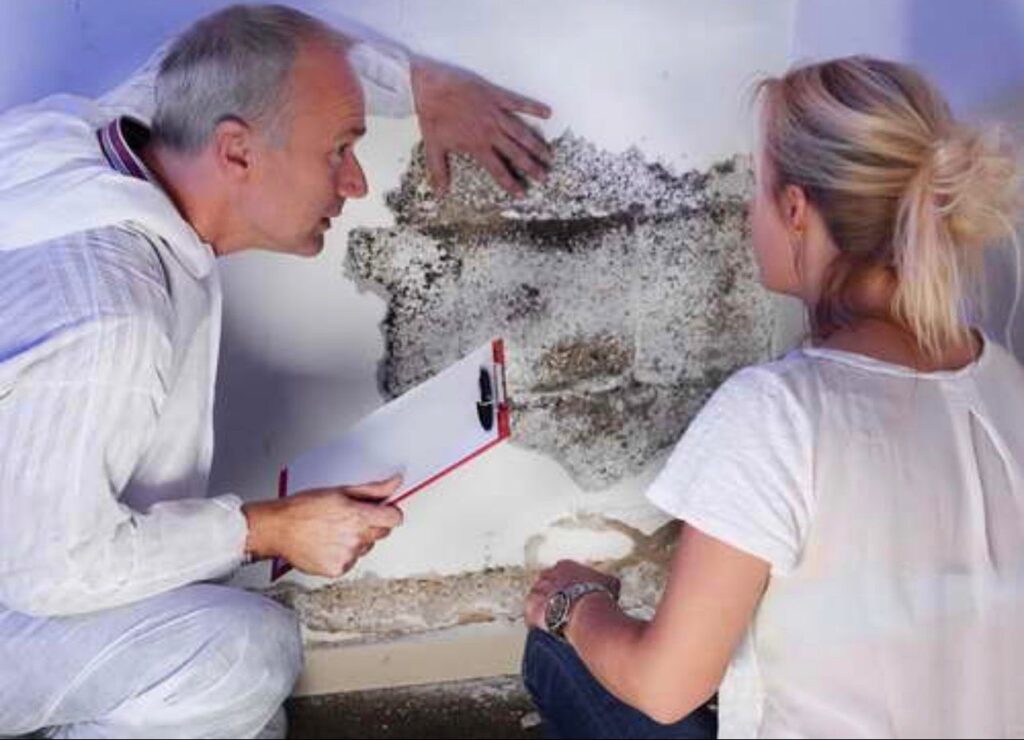
Mold and Insurance Claims in Cocoa: What Homeowners in Brevard County Should KnowMold and Insurance Claims in Cocoa: What Homeowners in Brevard County Should KnowDealing with mold is stressful enough—adding an insurance claim can make it feel overwhelming. For Cocoa homeowners, understanding how mold and insurance coverage work in Florida is critical, especially after water damage from storms, plumbing leaks, or AC failures. Coverage often depends on how the mold started, how quickly it was addressed, and how well everything is documented.Knowing what insurers look for—and what they commonly deny—can make a big difference in whether a claim is approved.⸻How Mold Insurance Coverage Typically Works in FloridaIn most homeowners policies, mold coverage is limited and tied to a covered water loss.Generally: • Mold may be covered if it results from a sudden, accidental event (like a burst pipe) • Mold is often excluded if it’s caused by long-term leaks, poor maintenance, or humidity • Many policies cap mold coverage at a specific dollar amountThe key factor is whether the mold was caused by a covered peril and addressed promptly.⸻Common Mold Scenarios That May Be CoveredCoverage varies by policy, but insurers are more likely to approve claims involving: • Sudden plumbing failures • Water damage from storm-related roof leaks • AC drain line backups that cause immediate damage • Appliance malfunctions that release water unexpectedlyIn these cases, mold is typically considered a secondary result of the covered water damage.⸻Mold Situations That Are Often DeniedInsurance companies frequently deny mold claims related to: • Long-term or slow leaks • High humidity or condensation issues • Poor ventilation • Deferred maintenance • Mold that existed before the policy periodIf the insurer determines the problem developed gradually, the claim is usually denied.⸻Why Timing Matters So MuchDelays are one of the most common reasons mold claims fail.Insurance companies expect homeowners to: • Act quickly after water damage • Dry affected areas within 24–48 hours • Prevent further damageWaiting too long to report water damage or mold can be interpreted as neglect, even if the original event was covered.⸻Documentation Is Critical for Mold ClaimsStrong documentation greatly improves claim outcomes.Helpful documentation includes: • Photos and videos of water damage and mold • Dates of the water incident • Repair invoices and drying records • Professional inspection or remediation reports • Moisture readings or lab results when applicableThe more evidence you have, the harder it is for insurers to dispute the claim.⸻The Role of Professional Mold InspectionsProfessional inspections help clarify: • When the mold likely started • The moisture source • Whether the mold is related to a specific water eventThis information can support your claim and counter arguments that the mold was pre-existing or maintenance-related.⸻Mold Remediation and Insurance AdjustersInsurance adjusters often require: • Proof that the water source is fixed • Detailed remediation plans • Itemized invoicesWork done without documentation—or before approval—may not be reimbursed, so communication matters.⸻Tips for Cocoa Homeowners Filing Mold ClaimsTo protect your claim: • Report water damage immediately • Mitigate damage right away • Keep all receipts and records • Avoid discarding damaged materials until documented • Get professional evaluations when mold is suspectedBeing proactive reduces disputes and delays.⸻Mold Claims in Coastal Areas Like CocoaCocoa’s coastal climate adds complexity. Insurers often scrutinize claims closely due to: • High humidity • Frequent storms • Older homes with past water issuesClear evidence linking mold to a specific, covered event is especially important.⸻Final ThoughtsMold and insurance claims in Cocoa can be complicated, but they’re not impossible. Understanding your policy, acting quickly after water damage, and documenting everything are the best ways to protect your rights as a homeowner.When mold is involved, clarity matters. The sooner the source is identified and addressed, the stronger your insurance claim—and the better protected your home will be.If you want, I can continue with insurance-related mold topics, claims after hurricanes, or mold documentation guides for other Brevard County cities using this same structure and image style.