
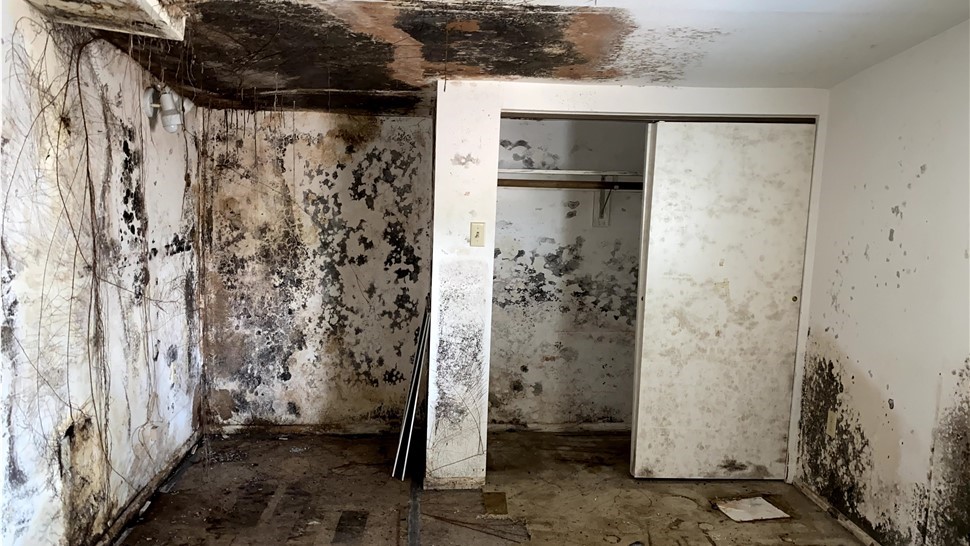
Mold FAQs in Satellite Beach: What Homeowners in Brevard County Should Know
Living in Satellite Beach means enjoying ocean breezes, salty air, and a relaxed coastal lifestyle. It also means dealing with one constant challenge: moisture. In Brevard County, humidity and mold go hand in hand, which is why homeowners in Satellite Beach ask a lot of practical questions about mold—what’s normal, what’s not, and when it’s time to worry.
This FAQ-style guide addresses the most common mold questions Satellite Beach homeowners ask, using straightforward answers grounded in real Florida conditions.
Is Mold Common in Satellite Beach Homes?
Yes. Mold is very common in Satellite Beach homes.
Brevard County experiences high humidity most of the year, and coastal areas like Satellite Beach are exposed to constant moist ocean air. Even well-maintained homes can develop mold if moisture lingers indoors.
Mold doesn’t mean a home is dirty or neglected. In this climate, it usually means moisture hasn’t dried out fast enough.
Why Does Mold Keep Coming Back After Cleaning?
Recurring mold is one of the most common frustrations homeowners face.
Cleaning removes what you can see, but it doesn’t change moisture conditions. If humidity remains high, or if condensation or leaks are still present, mold will return—often in the same spot or nearby.
In Satellite Beach, common reasons mold comes back include poor bathroom ventilation, HVAC condensation, attic moisture, or high indoor humidity throughout the home.
Is Black Mold Automatically Dangerous?
Not necessarily.
“Black mold” is a general term people use to describe dark-colored mold. Color alone doesn’t determine how serious a mold problem is. What matters more is how much mold is present, where it’s growing, and why it formed.
A small amount of dark mold caused by temporary moisture may be manageable, while lighter-colored mold hidden behind walls could indicate a bigger issue.
Where Is Mold Most Likely to Grow in Coastal Homes?
In Satellite Beach homes, mold commonly appears in:
- Bathrooms, especially ceilings and grout
- Attics, on roof decking and trusses
- HVAC systems, including air handlers and ductwork
- Behind walls after leaks or storms
- Under flooring on slab foundations
These areas either collect moisture or dry very slowly in coastal conditions.
Can Mold Grow Without a Leak or Flood?
Yes, absolutely.
Mold does not require flooding. In coastal Florida, mold often grows due to humidity and condensation alone. Warm, moist air entering a cooled home can condense on cooler surfaces inside walls, attics, or HVAC systems.
Many homeowners are surprised to learn mold developed without any obvious water damage.
Does Opening Windows Help Prevent Mold?
Sometimes—but often not in Florida.
In Satellite Beach, outdoor air is frequently more humid than indoor air. Opening windows may actually increase indoor humidity, especially during summer months.
Controlled ventilation through HVAC systems and exhaust fans is usually more effective than relying on open windows for moisture control.
Should I Be Worried About Mold Smell but No Visible Mold?
A musty or earthy odor is often an early sign of hidden mold.
In many cases, mold is growing behind walls, in attics, or inside HVAC systems. Odors may be stronger when the air conditioning runs or after the house has been closed up.
A persistent mold smell without visible growth is a good reason to investigate further.
Can Mold Spread Through the HVAC System?
Yes.
If mold develops inside an air handler, drain pan, or ductwork, air movement can carry mold-related odors and particles throughout the home. This is why mold sometimes appears in multiple rooms at once.
Cleaning vents alone does not address mold inside the HVAC system itself.
Do I Always Need Mold Testing?
No. Mold testing is not always necessary.
If mold is clearly visible and the moisture source is obvious, testing may not add much value. The priority is usually correcting moisture and removing affected materials.
Testing is most helpful when mold is suspected but not visible, when documentation is needed, or when homeowners want more clarity about indoor conditions.
Are DIY Mold Test Kits Reliable?
DIY mold test kits are often misleading.
They usually confirm that mold exists—which is already known, because mold spores are everywhere. They don’t identify moisture sources, extent of growth, or whether indoor levels are abnormal.
Without professional interpretation, results often cause confusion rather than clarity.
Is Bathroom Mold Normal in Satellite Beach?
Bathroom mold is common—but it’s not something you should ignore.
Frequent mold in bathrooms usually means moisture isn’t being removed fast enough. Exhaust fans may be undersized, underused, or venting improperly.
While some surface mildew can be expected in humid climates, mold that keeps returning points to a ventilation or humidity issue that needs attention.
Can Attic Mold Affect the Living Space?
Yes.
Attic mold often causes musty odors that migrate into living spaces through air leaks, ductwork, or attic access openings. While the mold may be confined to the attic, its effects don’t always stay there.
Attic mold is common in Satellite Beach due to condensation and improper exhaust fan venting.
Does Insurance Cover Mold?
Sometimes—but it depends on the cause.
Insurance typically focuses on water damage, not mold itself. Mold may be covered if it results from a sudden, covered water event and was addressed promptly.
Mold caused by long-term humidity, condensation, or deferred maintenance is often excluded.
Documentation and timing matter more than mold type.
When Should I Call a Professional?
Professional help is worth considering when:
- Mold keeps returning after cleaning
- There’s a persistent musty odor
- Mold appears on ceilings, drywall, or near vents
- The home has had leaks or storm damage
- Mold affects multiple rooms
A professional inspection focuses on moisture first, which is key in coastal homes.
Local professionals such as Brevard Mold Inspections & Removal help homeowners understand what’s happening inside their home without unnecessary alarm.
How Can I Prevent Mold in a Coastal Home?
Prevention comes down to moisture control.
Using bathroom exhaust fans consistently, maintaining HVAC systems, and keeping drain lines clear helps remove moisture before mold can grow.
Attic ventilation and proper exhaust fan venting are especially important in Satellite Beach homes. After storms, checking attics, ceilings, and exterior walls helps catch moisture early.
Monitoring indoor humidity provides early warning before mold becomes visible.
Why Local Experience Matters With Mold Questions
Mold advice isn’t one-size-fits-all.
Satellite Beach homes face coastal humidity, salt air, frequent storms, slab foundations, and heavy AC use. Local experience helps professionals understand where moisture hides and why mold behaves the way it does here.
Generic advice often misses these details.
A Practical Takeaway for Satellite Beach Homeowners
Mold questions are common in Satellite Beach—and for good reason. Coastal humidity makes moisture control an ongoing challenge.
Most mold problems aren’t emergencies, but they are signals that moisture needs attention. By understanding where mold forms, why it returns, and when to seek professional guidance, homeowners can manage mold calmly and effectively.
With consistent moisture control and local expertise, mold becomes a manageable part of coastal living—not a constant source of stress.