
DIY Mold Risks in Cocoa Beach: What Homeowners in Brevard County Should Know
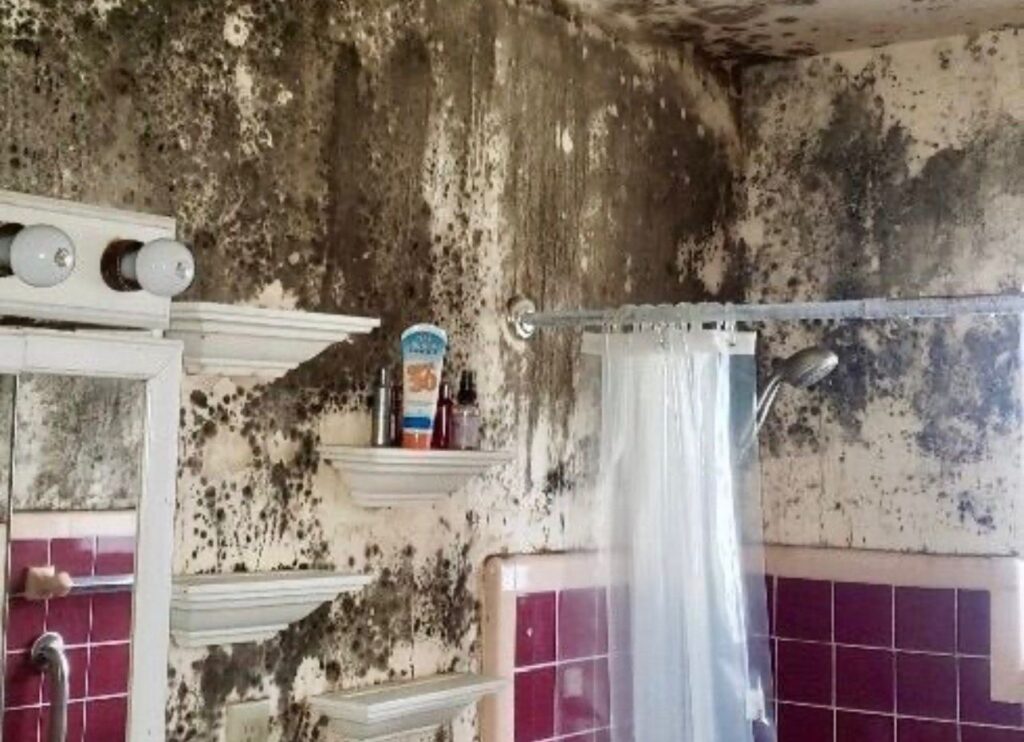
DIY Mold Risks in Cocoa Beach: What Homeowners in Brevard County Should KnowIn Cocoa Beach, it’s tempting for homeowners to tackle mold themselves. A little bleach, some elbow grease, and the problem’s gone—right? Unfortunately, DIY mold cleanup often makes things worse, especially in a coastal environment where humidity and moisture never really take a break.What looks like a small mold patch is often just the visible part of a much larger issue hiding behind walls, under flooring, or inside HVAC systems.⸻Why DIY Mold Cleanup Is Especially Risky in Cocoa BeachCocoa Beach’s coastal conditions amplify the risks of DIY mold removal.Key factors include: • Constant high humidity that feeds mold growth • Salt air that breaks down building materials faster • Frequent storms and wind-driven rain • Moisture trapped in walls and ceilingsEven if you clean what you can see, mold often returns quickly because the moisture source was never addressed.⸻Common DIY Mold Mistakes Homeowners MakeMany well-meaning homeowners unknowingly create bigger problems.Common DIY mistakes include: • Using bleach on porous surfaces like drywall or wood • Scrubbing mold without containment • Painting over mold instead of removing it • Ignoring hidden moisture behind walls • Skipping proper drying and ventilationBleach may remove stains, but it doesn’t eliminate mold roots embedded in porous materials.⸻Health Risks of DIY Mold RemovalDisturbing mold releases spores into the air.DIY exposure risks include: • Breathing in high levels of mold spores • Worsening asthma or allergy symptoms • Eye, skin, or throat irritation • Headaches and fatigueWithout proper protective equipment and containment, spores can spread throughout the home—especially through AC systems.⸻How DIY Cleanup Can Spread MoldWhen mold is scrubbed or disturbed: • Spores become airborne • Mold spreads to clean areas • HVAC systems can circulate spores • Multiple rooms may become contaminatedWhat started as a small bathroom issue can quickly turn into a whole-house problem.⸻Why DIY Methods Don’t Fix the Root CauseMold growth is always tied to moisture.DIY cleanup typically fails to address: • Hidden leaks • High indoor humidity • Poor ventilation • Condensation inside walls or ductsAs long as moisture remains, mold will continue to grow—no matter how often it’s cleaned.⸻When Mold Is Too Much for DIYDIY mold cleanup is especially risky if: • Mold covers more than a small area • Mold keeps returning • Mold appears after flooding or storms • There are musty odors throughout the home • Health symptoms are presentThese situations usually indicate a deeper issue requiring professional attention.⸻How Professionals Handle Mold SafelyProfessional mold remediation uses controlled methods designed to protect both homeowners and the property.The process typically includes: • Identifying hidden mold and moisture sources • Containing affected areas • Using HEPA filtration to capture spores • Removing contaminated materials safely • Correcting humidity and moisture problemsThis approach prevents spread and reduces long-term risk.⸻Preventing Mold Without DIY RisksInstead of scrubbing mold yourself, prevention is safer and more effective.Smart prevention steps include: • Keeping indoor humidity below 55% • Using exhaust fans during and after showers • Fixing leaks immediately • Maintaining HVAC systems • Scheduling periodic inspections in coastal homes⸻Final ThoughtsDIY mold risks in Cocoa Beach are often underestimated. In a high-humidity coastal environment, surface cleaning rarely solves the real problem—and can expose homeowners to health risks while allowing mold to spread further.When mold appears, the safest approach is to identify the moisture source and address the issue properly. Doing it right the first time protects your health, your home, and your long-term investment.If you’d like, I can continue with more Cocoa Beach or Brevard County mold-related topics using this same structure and image style.