
Humidity and Mold in Indian Harbour Beach: What Homeowners in Brevard County Should Know
Living in Indian Harbour Beach means coastal views, ocean air, and warm weather most of the year. It also means dealing with humidity almost every single day. In Brevard County, humidity isn’t just uncomfortable—it’s the single biggest driver of mold problems inside homes.
Many homeowners expect mold only after floods or obvious leaks. In Indian Harbour Beach, mold often develops without any dramatic water event at all. Persistent humidity, condensation, and slow drying are usually enough. Understanding how humidity behaves in coastal homes, where mold tends to develop, and how to control moisture long-term helps homeowners prevent ongoing issues and protect their property.
Why Humidity Is a Constant Challenge in Indian Harbour Beach
Indian Harbour Beach sits directly along the Atlantic coast. Moist ocean air surrounds homes day and night, even when skies are clear. Outdoor humidity regularly stays high, and that moisture doesn’t stop at the front door.
Brevard County experiences warm temperatures most of the year, which allows humid air to hold large amounts of moisture. When that air enters a cooled home, it condenses on cooler surfaces—sometimes visibly, often invisibly.
Unlike short-term water damage, humidity-related moisture builds slowly. Over weeks or months, that moisture can soak into drywall, wood, insulation, and dust, creating ideal conditions for mold growth.
How Humidity Turns Into Mold Indoors
Mold spores are always present in the environment. They only become a problem when moisture allows them to grow indoors.
In Indian Harbour Beach homes, humidity causes mold by:
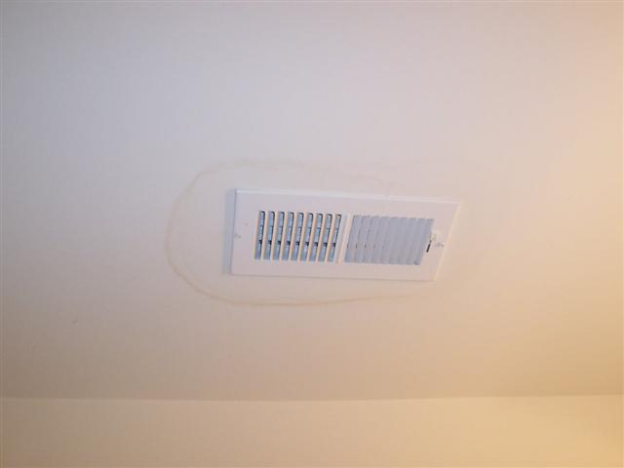
- Condensing on cold surfaces like AC vents and ducts
- Building up in enclosed spaces with limited airflow
- Remaining trapped inside walls, attics, or under flooring
- Slowing the drying of everyday moisture from showers and cooking
When indoor humidity stays elevated, surfaces may feel dry while materials underneath remain damp. That hidden moisture is where mold often starts.
Why Coastal Homes Are More Vulnerable Than Inland Homes
Coastal humidity behaves differently.
Ocean air contains moisture even on breezy days. Salt air also accelerates wear on seals, fasteners, and HVAC components, allowing humid air to enter homes more easily.
Indian Harbour Beach homes rely heavily on air conditioning. When AC systems are oversized, poorly maintained, or struggling with drainage issues, they may cool air without removing enough moisture. The result is a home that feels cool but stays damp.
Slab foundations, common in this area, can also trap moisture beneath flooring after spills, leaks, or humidity intrusion.
Common Areas Where Humidity-Driven Mold Appears
Humidity-related mold tends to develop in predictable locations.
Bathrooms are a frequent trouble spot. Steam from showers raises humidity quickly, and without strong ventilation, moisture lingers on ceilings, walls, and inside wall cavities.
HVAC systems are another major contributor. Condensation inside air handlers, drain pans, and ductwork can keep materials damp. Mold in these areas often spreads odors throughout the home when the system runs.
Attics are especially vulnerable. Warm, humid air rises from living spaces and condenses on cooler roof decking and framing. This leads to widespread attic mold even without roof leaks.
Closets along exterior walls, under-sink cabinets, and laundry areas also commonly show humidity-related mold growth.
Subtle Signs That Humidity Is Causing Mold
Humidity-driven mold often starts quietly.
One of the earliest signs is a musty or earthy odor that comes and goes. In Indian Harbour Beach homes, this smell may be stronger when the AC turns on or after the home has been closed up.
Homeowners may notice frequent condensation on vents, windows, or mirrors. Paint may bubble or peel as moisture tries to escape from behind walls.
Rooms that feel sticky, damp, or slow to cool can also indicate high indoor humidity—even when temperatures feel comfortable.
Why Mold Can Appear Without Any Leaks
Many homeowners are confused when mold appears without a known water source.
In coastal Florida, humidity alone can provide enough moisture. Daily condensation cycles—especially inside walls, attics, and HVAC systems—can keep materials damp for long periods.
Paint, tile, and flooring can hide moisture beneath them. By the time mold becomes visible, it may have been growing for months.
This is why humidity-related mold often seems to “come out of nowhere.”
The Limits of Cleaning and Dehumidifiers
Surface cleaning improves appearance but doesn’t control humidity.
Cleaning visible mold does not dry out wall cavities, insulation, or HVAC components. Without moisture control, mold usually returns.
Portable dehumidifiers can help in small areas, but they’re rarely a complete solution for whole-home humidity—especially in Indian Harbour Beach, where moisture enters continuously from outdoors.
Humidity control must be built into the home’s ventilation and HVAC strategy to be effective long-term.
How HVAC Systems Influence Humidity Control
Air conditioning plays a central role in humidity management.
Properly functioning systems remove moisture as they cool air. Problems arise when:
- Drain lines clog or back up
- Drain pans crack or overflow
- Coils are dirty
- Systems are oversized and short-cycle
- Duct insulation is damaged
When moisture isn’t removed efficiently, humidity stays high and mold risk increases throughout the home.
Routine HVAC maintenance is one of the most effective mold prevention steps coastal homeowners can take.
Attics and Exhaust Fans: A Hidden Humidity Pathway
Bathroom and kitchen exhaust fans should vent outdoors—not into attics.
When fans discharge humid air into the attic, moisture accumulates quickly on roof decking and framing. Over time, this leads to widespread attic mold.
Attic ventilation also matters. Blocked soffit vents, missing ridge vents, or insulation covering airflow pathways can trap humid air.
In Indian Harbour Beach, attic humidity issues are one of the most common hidden mold sources.
Why DIY Approaches Often Fall Short
DIY mold cleanup focuses on symptoms, not causes.
Scrubbing mold without addressing humidity does nothing to prevent regrowth. In some cases, aggressive cleaning releases mold particles into the air and spreads the problem.
Household cleaners and bleach do not penetrate porous materials and may add moisture—making conditions worse in a humid climate.
Without moisture evaluation, DIY efforts often delay proper solutions.
How Professional Inspections Address Humidity-Related Mold
Professional inspections focus on moisture patterns first.
Inspections typically include visual evaluation, moisture meter readings, and assessment of HVAC performance, ventilation, and attic conditions. Thermal imaging may be used to identify condensation or hidden damp areas.
When appropriate, air or surface samples may be collected and sent to an independent laboratory to document mold presence.
Local professionals such as Brevard Mold Inspections & Removal emphasize explaining how humidity is affecting the home—not just where mold is visible.
Practical Steps to Control Humidity in Coastal Homes
Consistent moisture control makes a significant difference.
Using bathroom exhaust fans during and after showers helps remove steam before it spreads. Ensuring fans vent outdoors is critical.
Maintaining HVAC systems keeps moisture removal working properly. Drain lines should stay clear, filters changed regularly, and duct insulation intact.
Sealing air leaks between living spaces and attics reduces humid air movement upward. Monitoring indoor humidity helps identify problems early.
After storms, attics and ceilings should be checked for condensation or moisture intrusion, even if no leaks are visible.
Why Local Experience Matters With Humidity Issues
Humidity-related mold behaves differently by region.
Indian Harbour Beach homes face constant ocean moisture, salt air exposure, slab foundations, and year-round cooling demands. Local experience helps professionals understand how humidity moves through these homes and where mold is most likely to develop.
Generic advice from drier climates often doesn’t apply here.
A Practical Takeaway for Indian Harbour Beach Homeowners
In Indian Harbour Beach, mold problems almost always start with humidity.
High moisture levels don’t need floods or leaks to cause trouble—just time and limited drying. By understanding how humidity behaves in coastal homes and taking proactive steps to manage it, homeowners can greatly reduce mold risk.
If musty odors, condensation, or recurring mold are present, a professional moisture-focused inspection helps identify the real cause. With accurate information and local expertise, Indian Harbour Beach homeowners can keep humidity under control and prevent mold before it becomes a recurring issue.