
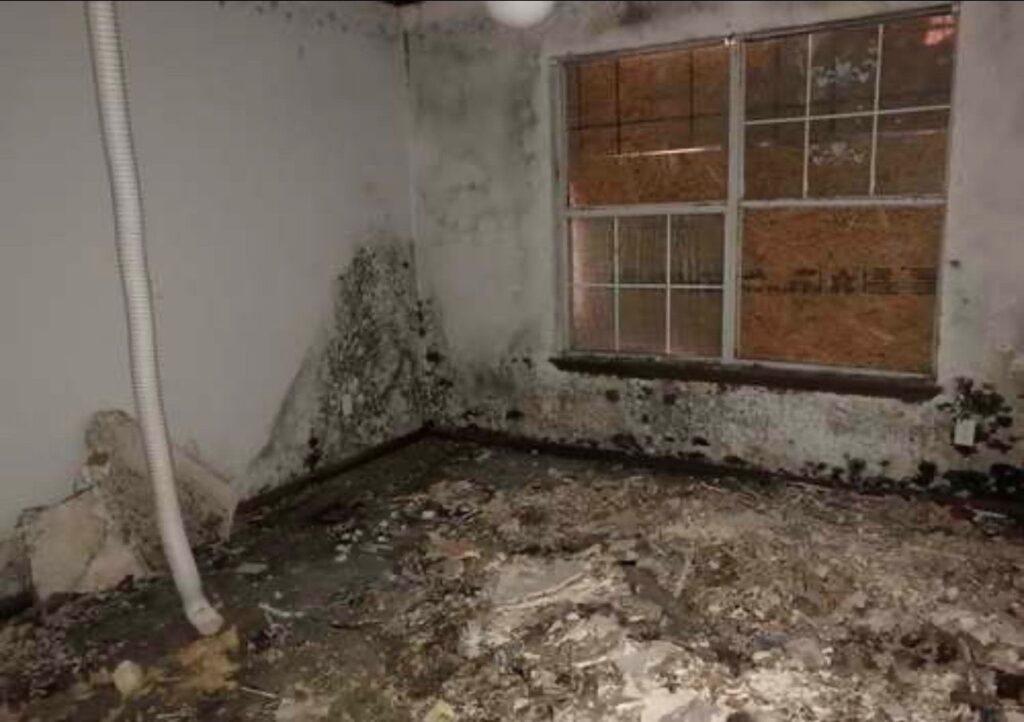
Mold FAQs in Merritt Island: What Homeowners in Brevard County Should Know
Mold FAQs in Merritt Island: What Homeowners in Brevard County Should KnowMold is a common concern for homeowners in Merritt Island, especially with the area’s high humidity, proximity to waterways, and frequent storms. Many homeowners have questions about what mold is, how serious it can be, and what to do when it’s suspected. Below are answers to the most frequently asked mold questions specific to Merritt Island homes.⸻What Causes Mold in Merritt Island Homes?Mold grows when moisture is present for extended periods. In Merritt Island, common causes include: • High coastal humidity • Roof or plumbing leaks • Past hurricane or storm damage • AC condensation and ductwork moisture • Poor ventilation in bathrooms, attics, and closetsEven small moisture issues can lead to mold if they’re not addressed quickly.⸻Is Mold Always Visible?No. In fact, most mold problems are hidden.Mold commonly grows: • Behind drywall • Under flooring • Inside HVAC systems • In attics or crawl spaces • Beneath sinks and cabinetsMusty odors or health symptoms often appear before visible mold does.⸻Is Black Mold More Dangerous Than Other Mold?Not necessarily. While some molds commonly called “black mold” can be more concerning, color alone doesn’t determine risk.What matters most: • Mold type • Spore concentration • Length of exposure • Moisture conditionsOnly professional inspection and testing can determine the real level of concern.⸻Can Mold Affect My Health?Yes, mold exposure may contribute to: • Sneezing, coughing, or congestion • Worsened asthma or allergy symptoms • Eye, nose, or throat irritation • Headaches and fatigueChildren, seniors, and people with respiratory conditions are often more sensitive.⸻Will Cleaning Mold Myself Solve the Problem?Usually not. DIY cleaning may remove surface stains but often: • Leaves hidden mold behind • Spreads spores during scrubbing • Fails to address moisture sources • Allows mold to return quicklyRecurring mold is a sign that professional evaluation is needed.⸻When Should I Get a Mold Inspection?A mold inspection is recommended if: • You notice musty odors • Mold keeps returning after cleaning • Water damage has occurred • Health symptoms worsen indoors • You’re buying or selling a homeEarly inspections help prevent larger, more expensive problems.⸻Is Mold Testing Always Necessary?Not always. Testing is most useful when: • Mold isn’t visible but symptoms are present • Species identification is needed • Insurance documentation is required • Legal or real estate transactions are involvedAn inspection helps determine whether testing is needed.⸻How Fast Does Mold Grow After Water Damage?In Florida’s climate, mold can begin growing within 24–48 hours after water intrusion if drying is incomplete.That’s why fast action after leaks or flooding is critical.⸻Can Mold Lower My Home’s Value?Yes. Unresolved mold issues can: • Cause failed inspections • Delay or cancel home sales • Reduce buyer confidence • Increase repair costs laterProfessional remediation helps protect property value.⸻How Can I Prevent Mold in Merritt Island?Effective prevention steps include: • Keeping indoor humidity below 55% • Fixing leaks immediately • Using exhaust fans in kitchens and bathrooms • Maintaining HVAC systems regularly • Scheduling routine moisture or mold inspections⸻Final ThoughtsMold FAQs in Merritt Island often come down to one key issue: moisture control. With the area’s coastal environment, even well-maintained homes can develop mold if humidity or leaks aren’t addressed promptly.Understanding how mold starts, when to take action, and when to seek professional help empowers homeowners to protect their health, their home, and their investment. If you’d like, I can continue with more Merritt Island or Brevard County mold-related topics using this same structure and image style.