
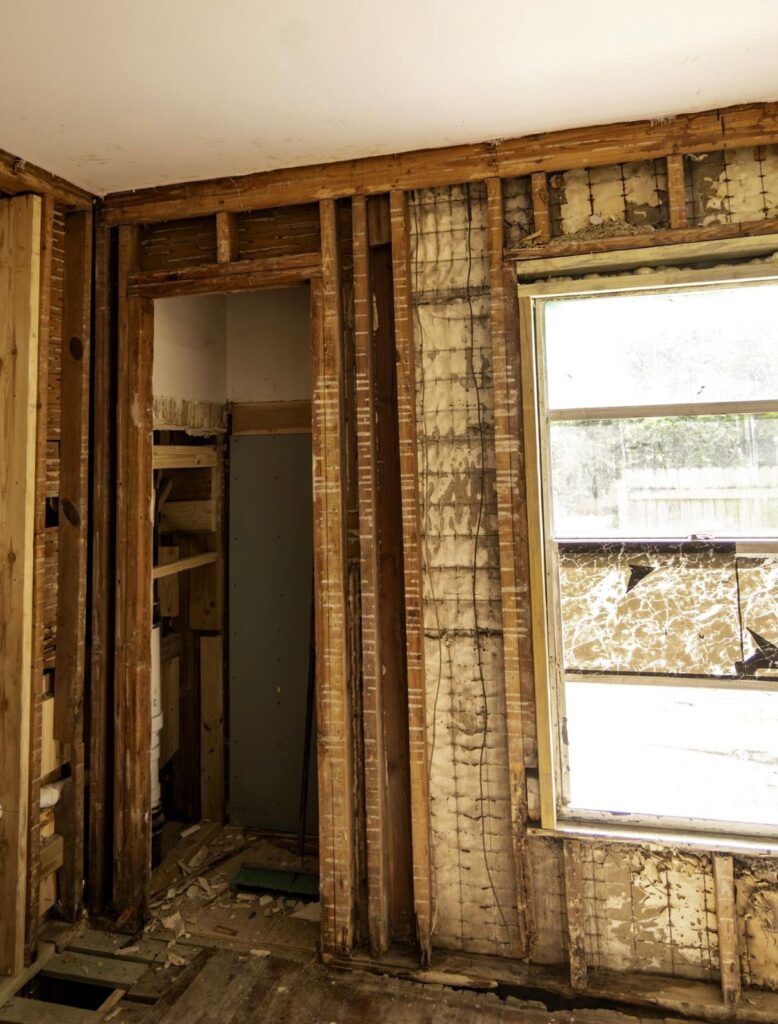
Mold After Hurricanes in Rockledge: What Homeowners in Brevard County Should Know
Mold After Hurricanes in Rockledge: What Homeowners in Brevard County Should KnowHurricanes don’t have to flood a home to cause mold problems. In Rockledge, wind-driven rain, roof damage, power outages, and weeks of high humidity after a storm can all create the perfect conditions for mold—often without obvious standing water. Once moisture gets trapped, mold can begin growing in as little as 24–48 hours.Knowing what to look for—and how to respond quickly—can prevent a short-term storm issue from turning into a long-term mold problem.⸻Why Hurricanes Trigger Mold in Rockledge HomesStorms introduce moisture in more ways than homeowners expect.Common post-hurricane moisture sources include: • Wind-driven rain entering through roofs, windows, or siding • Minor roof damage that isn’t immediately visible • Power outages shutting down AC and dehumidification • Flooding in yards or crawl spaces raising indoor humidity • Saturated insulation and drywall that look dry on the surfaceEven small amounts of trapped moisture can lead to widespread mold growth.⸻Hidden Mold Is the Biggest Post-Storm RiskAfter a hurricane, mold often grows where homeowners can’t see it.High-risk hidden areas include: • Behind drywall and baseboards • Under tile, laminate, or carpet • Inside wall cavities near exterior walls • Attics after roof leaks • HVAC systems and ductworkBy the time mold becomes visible, it’s often already established.⸻Warning Signs of Mold After a HurricaneMold doesn’t always appear immediately after a storm.Watch for: • Musty or damp odors days or weeks later • Discoloration on ceilings or walls • Bubbling paint or warped drywall • Flooring that feels soft or uneven • Allergy or respiratory symptoms indoorsIf these signs show up after a hurricane, moisture is likely still present.⸻Why Drying Alone Isn’t EnoughFans and open windows help, but they don’t reach hidden moisture.Problems arise when: • Insulation stays wet behind walls • Flooring traps moisture underneath • Humidity remains elevated for days • AC systems aren’t running consistentlyWithout proper moisture detection and drying, mold can grow silently.⸻How Professionals Address Post-Hurricane MoldProfessional mold remediation after hurricanes follows a controlled process.Inspection & Moisture MappingHidden moisture and mold-prone areas are identified using specialized tools.ContainmentAffected areas are isolated to prevent spores from spreading.Air FiltrationHEPA air scrubbers remove airborne mold spores.Removal of Damaged MaterialsWet or mold-contaminated drywall, insulation, or flooring may need removal.Cleaning & Antimicrobial TreatmentAll impacted surfaces are thoroughly cleaned and treated.Drying & Moisture ControlDehumidification, repairs, and ventilation improvements prevent regrowth.⸻Health Risks After Hurricane-Related MoldPost-storm mold exposure may contribute to: • Coughing or congestion • Worsened asthma or allergies • Eye, nose, or throat irritation • Headaches and fatigueChildren, seniors, and people with respiratory conditions are especially vulnerable.⸻Mold, Hurricanes, and Insurance ClaimsInsurance coverage often depends on: • The source of water intrusion • How quickly damage was reported • Whether mitigation steps were takenDocumenting water damage and mold early—before cleanup—can help protect a claim.⸻Preventing Mold After Hurricanes in RockledgeQuick action makes a major difference.After a storm: • Dry affected areas within 24–48 hours • Run AC and dehumidifiers continuously • Remove wet materials that can’t be dried • Inspect attics, walls, and flooring carefully • Schedule professional inspections when moisture is suspectedStorm-prone homes benefit from proactive post-hurricane checks—even if damage seems minor.⸻Final ThoughtsMold after hurricanes in Rockledge is common, but it’s also preventable with fast, informed action. Hurricanes don’t need to flood a home to create serious mold risks—hidden moisture is enough.Early inspection, proper drying, and professional remediation when needed help protect your home, your health, and your investment after the storm passes.If you want, I can continue with more Rockledge or Brevard County hurricane- and mold-related topics using this same structure and image style.