
Mold Health Effects in Rockledge: What Homeowners in Brevard County Should Know
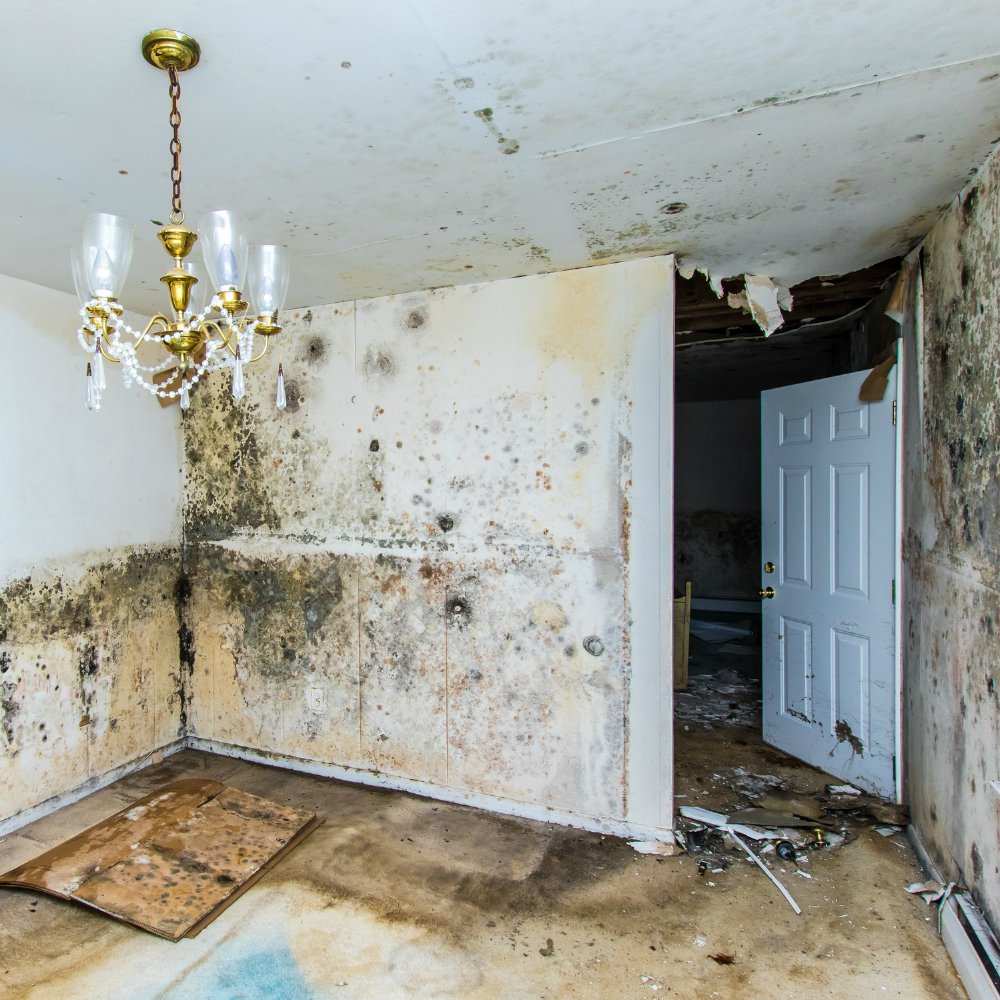
When mold shows up in a home, one of the first concerns homeowners in Rockledge have is how it might affect their health. In Brevard County’s humid climate, mold is common—even in clean, well-maintained homes—but the health side of mold is often misunderstood and exaggerated online.
The reality is more balanced. Mold can cause discomfort and irritation for some people, especially when moisture problems are ongoing, but not every mold issue is a health crisis. Understanding how mold exposure happens, what symptoms homeowners commonly notice, and why moisture control matters most helps Rockledge homeowners respond calmly and appropriately.
Why Mold Exposure Happens Indoors
Mold exposure indoors usually isn’t about a single visible spot. It’s about conditions.
Mold releases tiny particles into the air as part of its normal growth cycle. When mold is growing indoors—especially in hidden areas like walls, attics, or HVAC systems—those particles can circulate through the home.
Brevard County has high humidity most of the year. In Rockledge homes, moisture from air conditioning, storms, plumbing, or daily activities can linger long enough for mold to grow. The longer moisture remains, the more likely indoor exposure becomes.
Common Health-Related Complaints Homeowners Notice
Mold-related health effects vary from person to person. Not everyone reacts the same way, and reactions are often influenced by sensitivity, time spent in the space, and how widespread the mold is.
Homeowners commonly report:
- Musty or stale indoor air that feels irritating
- Increased sneezing or nasal irritation while indoors
- Eye, throat, or skin irritation
- Headaches or general discomfort that improves when leaving the home
These experiences are often tied to poor indoor air quality caused by moisture and mold, not just mold itself.
Importantly, these are general observations—not diagnoses—and they usually improve once moisture and mold issues are corrected.
Why Some People Feel Effects and Others Don’t
One of the most confusing aspects of mold is inconsistency.
In the same Rockledge home, one person may feel bothered while another notices nothing at all. This doesn’t mean anyone is imagining symptoms—it reflects differences in individual sensitivity and exposure.
People who spend more time indoors, work from home, or sleep near affected areas may notice issues sooner. Others may only notice discomfort during humid weather or when the AC is running.
The key takeaway is that mold-related discomfort is often environmental, not personal.
Mold Odors and Indoor Discomfort
A musty or earthy smell is one of the most common mold-related complaints.
Odors alone can cause headaches or discomfort for some people, even before visible mold is found. In Rockledge homes, these smells often become stronger when the air conditioning turns on, which may indicate mold or moisture inside HVAC systems or hidden areas.
Odors are often an early warning sign that moisture hasn’t dried properly—long before visible mold appears.
Hidden Mold and Prolonged Exposure
Visible mold is often only part of the picture.
In many Rockledge homes, mold grows:
- Behind drywall
- Above ceilings
- Inside attics
- Inside HVAC systems
- Under flooring on slab foundations
When mold is hidden, homeowners may experience ongoing indoor discomfort without obvious visual clues. Because exposure can be continuous, even low-level mold growth can feel more noticeable over time.
This is why persistent symptoms or odors should not be dismissed simply because mold isn’t visible.
The Role of Humidity in Mold-Related Discomfort
Humidity plays a major role in how mold affects indoor comfort.
High indoor humidity:
- Allows mold to grow more easily
- Keeps mold active longer
- Makes indoor air feel heavy or stale
- Slows drying of everyday moisture
In Rockledge, indoor humidity often stays elevated due to frequent rain, coastal air, and long AC run times. Even without visible mold, high humidity alone can cause discomfort—and when mold is present, those effects may feel stronger.
Why Mold Color Doesn’t Predict Health Effects
Many homeowners worry most about dark or black mold.
In reality, mold color does not determine how it affects people. Dark-colored mold may look concerning, but lighter-colored mold growing extensively behind walls or inside HVAC systems can have just as much impact on indoor air quality.
What matters more is:
- How much mold is present
- Whether it’s being disturbed or circulated
- Whether moisture conditions are ongoing
In Rockledge homes, inspectors often find that hidden mold and humidity are more relevant to comfort than mold color.
Why Cleaning Mold Often Doesn’t Improve Comfort
Many homeowners try cleaning visible mold to improve indoor conditions.
While this may help appearance, it often doesn’t improve comfort if:
- Mold is hidden elsewhere
- Moisture conditions haven’t changed
- Mold is present inside HVAC systems
Bleach and household cleaners don’t penetrate porous materials and may add moisture, which can worsen conditions in Florida’s climate.
This is why health-related complaints often persist even after visible mold is cleaned.
How Professional Inspections Help Clarify the Situation
A professional mold inspection focuses on conditions, not labels.
Inspections typically evaluate visible mold, measure moisture levels, and assess areas where mold commonly hides. HVAC systems, attics, and wall cavities are often checked because they strongly influence indoor air quality.
Moisture meters and thermal imaging help identify damp materials behind walls or ceilings that may be contributing to discomfort.
When appropriate, air or surface samples may be collected and sent to an independent laboratory to document mold presence—but moisture findings guide decisions.
Local professionals such as Brevard Mold Inspections & Removal focus on explaining how moisture and mold affect the home environment, not on alarming homeowners.
When Mold Issues Tend to Affect Comfort the Most
Mold-related discomfort is more likely when:
- Mold is widespread or hidden
- Moisture is ongoing
- Mold is inside HVAC systems
- Indoor humidity remains high
- Odors are persistent
In these situations, addressing moisture and mold often leads to noticeable improvements in indoor comfort.
Preventing Mold-Related Discomfort in Rockledge Homes
Prevention focuses on moisture control.
Keeping HVAC systems well maintained helps manage humidity and condensation. Drain lines should stay clear, filters changed regularly, and duct insulation kept intact.
Bathroom exhaust fans should vent outdoors and be used during and after showers long enough to remove steam.
Attics should have proper ventilation, and exhaust fans should never vent into attic spaces.
After storms, checking attics, ceilings, and areas near windows or doors helps catch moisture early.
Monitoring indoor humidity provides early warning before mold becomes a comfort issue.
Why Local Experience Matters
Mold-related comfort issues behave differently by region.
Rockledge homes face Florida humidity, slab foundations, frequent storms, and long cooling seasons. Local experience helps professionals understand where moisture hides and why indoor conditions feel uncomfortable even when homes look fine.
Generic advice often misses these regional factors.
A Practical Takeaway for Rockledge Homeowners
Mold health effects in Rockledge are usually tied to moisture and indoor air quality, not fear-driven labels.
If your home has persistent musty odors, recurring mold, or indoor discomfort that improves when you leave the house, it’s often a sign that moisture needs attention. Identifying and correcting those conditions typically improves comfort without drama.
A professional inspection can provide clarity and direction, helping homeowners understand what’s happening inside their home and what steps actually make a difference. With accurate information and local expertise, Rockledge homeowners can address mold-related concerns calmly and effectively.