
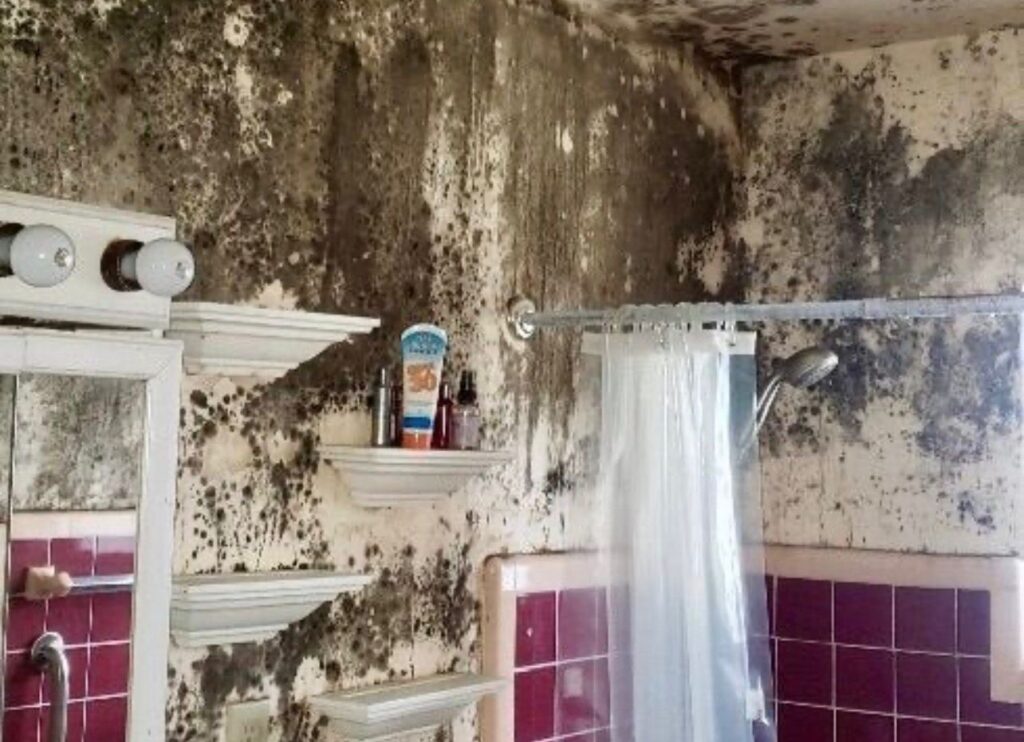
Mold in Bathrooms in Rockledge: What Homeowners in Brevard County Should KnowBathrooms are one of the most common places for mold growth in Rockledge homes. Daily showers, warm temperatures, and Florida’s humidity create a constant moisture source—especially in bathrooms with poor ventilation. What starts as a small patch of mold on grout or ceilings can quickly spread if moisture isn’t properly controlled.In Rockledge, bathroom mold isn’t just a cosmetic issue. Persistent moisture can allow mold to spread beyond the bathroom and affect indoor air quality throughout the home.⸻Why Bathrooms Are High-Risk Areas for MoldBathrooms combine heat, moisture, and limited airflow—all things mold loves.Common contributors include: • Hot showers producing steam • Poor or underused exhaust fans • High indoor humidity • Leaky plumbing behind walls or under sinks • Damp towels, mats, and shower curtainsWithout proper ventilation, moisture lingers long after the shower is over.⸻Where Mold Commonly Grows in BathroomsMold often forms in areas that stay damp and are rarely inspected closely.Common bathroom mold locations include: • Shower grout and caulking • Bathroom ceilings and corners • Around exhaust fans • Under sinks and inside vanities • Behind walls near plumbing linesBy the time mold is visible, moisture may already be affecting surrounding materials.⸻Signs of Bathroom Mold ProblemsBathroom mold doesn’t always look severe at first.Watch for: • Black, green, or brown staining on grout or ceilings • Musty odors that linger after cleaning • Peeling paint or bubbling drywall • Mold that keeps returning after cleaning • Increased allergy or respiratory symptoms indoorsRecurring mold usually signals ongoing moisture issues.⸻Health Concerns Linked to Bathroom MoldRepeated exposure to bathroom mold may contribute to: • Sneezing, coughing, or congestion • Worsened asthma or allergy symptoms • Eye, nose, or throat irritation • Headaches or fatigueIn smaller bathrooms, mold spores can build up quickly, increasing exposure.⸻Why Cleaning Alone Often Doesn’t WorkBleach and household cleaners may remove stains but don’t fix moisture problems.Common DIY issues include: • Mold returning quickly • Hidden mold remaining behind walls or tile • Spores becoming airborne during scrubbing • Moisture sources left unaddressedWithout proper ventilation and moisture control, mold will continue to grow.⸻How Professionals Address Bathroom MoldProfessional mold remediation focuses on both mold removal and moisture correction.Inspection & Moisture DetectionHidden leaks and damp areas are identified.ContainmentAffected areas are isolated if mold has spread beyond the bathroom.Mold Removal & TreatmentContaminated materials are removed when necessary, and surfaces are treated.Ventilation ImprovementsExhaust fans, airflow, and humidity control are addressed to prevent regrowth.⸻Preventing Mold in Rockledge BathroomsPrevention is especially important in Florida’s climate.Helpful prevention steps include: • Running exhaust fans during and after showers • Keeping bathroom doors open to improve airflow • Fixing plumbing leaks promptly • Using mildew-resistant paint and caulk • Keeping indoor humidity below 55%Simple habits make a big difference.⸻Final ThoughtsMold in bathrooms in Rockledge is common—but it shouldn’t be ignored. Persistent bathroom mold often signals ventilation or moisture problems that can affect the rest of the home if left untreated.With proper airflow, moisture control, and timely remediation, homeowners can keep bathrooms clean, healthy, and mold-free. If you’d like, I can continue with more Rockledge or Brevard County mold-related topics using this same structure and image style.