
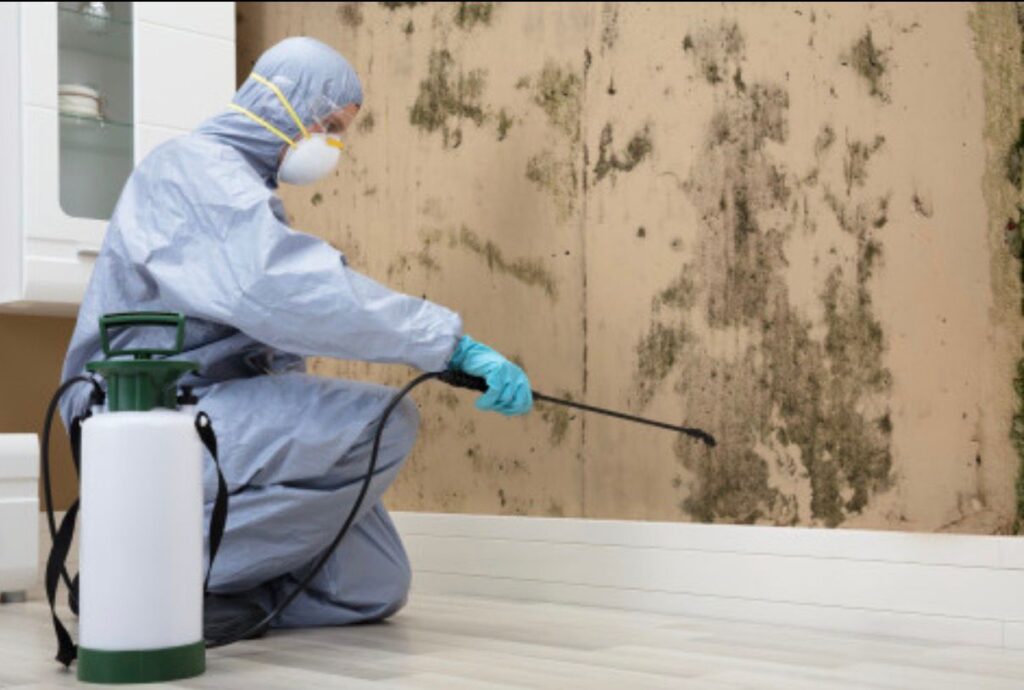
DIY Mold Risks in West Melbourne: What Homeowners in Brevard County Should KnowIn West Melbourne, many homeowners try to handle mold themselves—especially when it looks like a small problem. A quick scrub, some bleach, maybe a coat of paint, and it’s gone… right? Unfortunately, DIY mold cleanup often makes the situation worse, not better. Florida’s humidity and hidden moisture mean that what you see is often just a small part of a much larger issue.Understanding the real risks of DIY mold removal can help homeowners avoid health exposure, property damage, and repeat mold problems.⸻Why DIY Mold Cleanup Is Risky in West Melbourne HomesWest Melbourne’s climate creates constant moisture pressure on homes—even without flooding.Key risk factors include: • High indoor humidity most of the year • AC condensation inside walls and ceilings • Small plumbing leaks that go unnoticed • Poor airflow in bathrooms, closets, and atticsWhen mold is cleaned without fixing moisture, it almost always comes back.⸻Common DIY Mold Mistakes Homeowners MakeMost DIY mold problems start with good intentions.Common mistakes include: • Using bleach on porous materials like drywall or wood • Scrubbing mold without containment • Painting over mold stains • Ignoring moisture sources behind walls • Assuming visible mold is the entire problemBleach may lighten stains, but it does not remove mold roots embedded in building materials.⸻Health Risks of DIY Mold RemovalDisturbing mold releases spores into the air—often in large amounts.DIY exposure risks include: • Breathing in mold spores • Worsening asthma or allergy symptoms • Eye, skin, or throat irritation • Headaches and fatigueWithout proper protective equipment and air control, spores can spread throughout the home via HVAC systems.⸻How DIY Cleanup Can Spread Mold Through the HomeWhen mold is disturbed: • Spores become airborne • Mold spreads to clean rooms • HVAC systems circulate contamination • Multiple areas may become affectedWhat started as a small bathroom issue can turn into a whole-house problem.⸻Why DIY Cleaning Doesn’t Solve the Root CauseMold always grows because moisture is present.DIY cleanup usually fails to address: • Hidden leaks • Condensation inside walls • High indoor humidity • Poor ventilationAs long as moisture remains, mold will continue to grow—no matter how often it’s cleaned.⸻When DIY Mold Removal Is Especially DangerousDIY mold cleanup is particularly risky if: • Mold covers more than a small area • Mold keeps returning • Mold appeared after water damage or storms • Musty odors are present throughout the home • Health symptoms are occurringThese situations usually indicate hidden or widespread mold growth.⸻How Professionals Handle Mold SafelyProfessional mold remediation follows strict safety protocols.The process typically includes: • Identifying hidden mold and moisture sources • Containing affected areas • Using HEPA filtration to capture spores • Removing contaminated materials safely • Correcting humidity and ventilation issuesThis approach prevents spread and reduces long-term risk.⸻Safer Alternatives to DIY Mold CleanupInstead of scrubbing mold yourself, focus on prevention and early detection.Safer steps include: • Keeping indoor humidity below 55% • Fixing leaks immediately • Using exhaust fans properly • Maintaining HVAC systems • Scheduling professional inspections when mold is suspectedThese steps reduce mold risk without exposing your household.⸻Final ThoughtsDIY mold risks in West Melbourne are often underestimated. In Florida’s humid environment, surface cleaning rarely fixes the real problem—and can expose homeowners to health risks while allowing mold to spread further.When mold appears, addressing moisture and using proper remediation methods protects your health, your home, and your long-term investment. If you’d like, I can continue with more West Melbourne or Brevard County mold-related topics using this same structure and image style.