
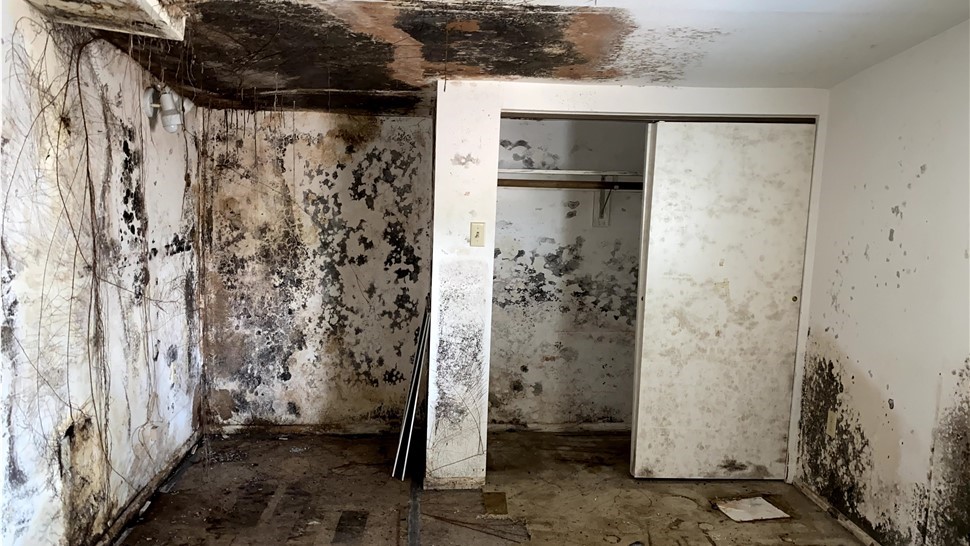
Mold and Insurance Claims in Cocoa: What Homeowners in Brevard County Should Know
When mold and insurance come up in the same conversation, confusion usually follows. Homeowners in Cocoa often discover mold weeks or months after a water issue and are left wondering whether insurance will help—or deny the claim outright. In Brevard County, the answer depends less on the word “mold” and more on how and when the moisture occurred.
Mold itself isn’t usually the starting point for insurance claims. The real focus is water damage: what caused it, how quickly it was addressed, and whether it was sudden or ongoing. Understanding how insurers view mold-related claims helps Cocoa homeowners avoid surprises and make informed decisions after water damage.
How Mold and Insurance Are Typically Linked
Insurance policies generally don’t cover mold by itself. Mold is usually considered a result, not a cause.
Coverage decisions usually hinge on:
- The source of the water
- Whether the event was sudden or gradual
- How quickly the damage was addressed
- Whether the issue falls under maintenance or a covered peril
In Cocoa homes, mold claims are most often tied to plumbing failures, storm-related water intrusion, or HVAC-related leaks—not everyday humidity alone.
Water Damage vs. Mold Damage
This distinction is critical.
Insurance policies typically respond to water damage, not mold growth that develops later due to long-term moisture. If mold forms because water wasn’t fully dried or went unnoticed, coverage may be limited or denied.
For example:
- A burst pipe that floods a room may be covered
- Mold that develops months later due to an unrepaired slow leak may not be
Understanding this difference early helps homeowners document events properly.
Common Water Events That Lead to Claims in Cocoa
Brevard County homes experience mold-related insurance claims most often after specific water events.
Plumbing failures are one of the top causes. Burst supply lines, failed fittings, or sudden leaks can introduce large amounts of water quickly.
Storm-related intrusion is another common source. Wind-driven rain, roof damage, or flashing failures during storms may allow water into attics or walls.
HVAC-related water damage is also frequent. Clogged condensate drain lines, cracked drain pans, or overflowing air handlers can leak water into ceilings, walls, or floors.
Appliance failures—such as washing machine or water heater leaks—are another trigger for claims.
These events are more likely to be viewed as sudden and accidental, which is key for coverage consideration.
Why Mold Often Appears After the Claim Window
One of the biggest frustrations homeowners face is timing.
Water damage may be cleaned up quickly, but moisture can remain trapped inside walls, under floors, or above ceilings. In Cocoa’s humid climate, drying is slower than many homeowners expect.
Mold may not become visible for weeks. By then, insurers may argue that the damage is no longer tied to the original event—or that it wasn’t mitigated promptly.
This is why documentation and early evaluation matter.
The Importance of Prompt Mitigation
Insurance policies typically require homeowners to take reasonable steps to prevent further damage.
This doesn’t mean homeowners are expected to do everything themselves—but it does mean:
- Stopping the water source
- Drying affected areas as soon as possible
- Documenting damage and repairs
- Seeking professional evaluation when moisture may be hidden
Delays can complicate claims, especially when mold is discovered later.
Why Mold Claims Are Often Limited or Denied
Many Cocoa homeowners are surprised to learn that mold coverage is often capped or excluded.
Common reasons include:
- Mold caused by long-term humidity
- Gradual leaks or maintenance issues
- Failure to mitigate promptly
- Mold unrelated to a covered water event
Some policies include limited mold endorsements with dollar caps, while others exclude mold entirely unless tied directly to a covered loss.
This makes understanding the cause and timeline of moisture essential.
How Inspections Help With Insurance Claims
A professional mold or moisture inspection can provide clarity when insurance questions arise.
Inspections focus on identifying:
- The source of moisture
- The extent of water damage
- Whether moisture appears recent or ongoing
- Areas where water may have traveled unseen
Moisture meters and thermal imaging help document damp materials behind walls or under floors—information that can be critical during claim discussions.
When appropriate, air or surface samples may be collected to document mold presence, but moisture findings are usually more relevant to insurance decisions.
Local professionals such as Brevard Mold Inspections & Removal focus on documenting conditions clearly rather than speculating about coverage outcomes.
Why DIY Cleanup Can Complicate Claims
DIY cleanup after water damage is understandable—but it can create issues.
Removing materials before documentation may make it harder to prove the extent of damage. Cleaning visible mold without addressing moisture can allow mold to return, raising questions about mitigation.
Using household cleaners or bleach does not document drying or moisture removal, and it doesn’t replace professional assessment.
When insurance may be involved, documentation matters as much as cleanup.
Mold Testing and Insurance Decisions
Mold testing alone rarely determines coverage.
Insurance adjusters typically focus on:
- Cause of water damage
- Timeline of events
- Evidence of mitigation
- Physical damage to materials
Mold testing can support documentation but does not usually establish whether a claim is covered. In many cases, moisture readings and inspection findings are more relevant than lab results.
HVAC-Related Mold and Claims
HVAC systems complicate mold claims in Cocoa homes.
Condensation leaks or drain line failures may be sudden or gradual depending on circumstances. Insurers may examine maintenance records, system age, and repair history.
Because HVAC systems circulate air, mold discovered in multiple rooms may trace back to a single water event within the system.
Clear inspection findings help identify where moisture originated.
Preventing Mold Issues That Affect Insurance
Prevention is the best protection—both for the home and future claims.
Maintaining plumbing and HVAC systems reduces the likelihood of sudden failures. Addressing small leaks quickly prevents moisture from becoming a long-term issue.
After storms, checking attics, ceilings, and areas near windows helps catch intrusion early.
Documenting repairs and maintenance provides valuable records if insurance questions arise later.
Why Local Experience Matters in Cocoa
Insurance-related mold issues are not the same everywhere.
Cocoa homes face Florida humidity, slab foundations, frequent storms, and year-round AC use. Local experience helps professionals understand how water behaves in these homes and how quickly mold can develop after damage.
Generic advice often misses these regional factors.
A Practical Takeaway for Cocoa Homeowners
Mold and insurance claims in Cocoa are less about mold itself and more about water, timing, and documentation.
If your home experiences water damage—no matter how minor—early evaluation and proper drying are essential. Mold that appears later often traces back to moisture that wasn’t fully addressed at the time.
If you’re unsure whether mold is related to a recent water event or ongoing moisture, a professional inspection can provide clarity. With accurate information and local expertise, Cocoa homeowners can navigate mold-related insurance questions calmly and avoid unnecessary surprises.