
DIY Mold Risks in Cocoa Beach: What Homeowners in Brevard County Should Know
When mold shows up, many homeowners feel the urge to handle it themselves. In Cocoa Beach, that instinct is understandable. Mold is common in coastal homes, cleaning products are easy to find, and online advice makes DIY removal sound simple.
The problem is that Florida’s climate changes the rules. In Brevard County, DIY mold cleanup often makes problems worse, not better. What looks like a small patch on a wall or ceiling is frequently just the visible part of a larger moisture issue. Understanding the risks of DIY mold work helps Cocoa Beach homeowners avoid spreading mold, missing hidden growth, or turning a manageable issue into a costly one.
Why DIY Mold Cleanup Is So Common
Most DIY mold attempts start with good intentions.
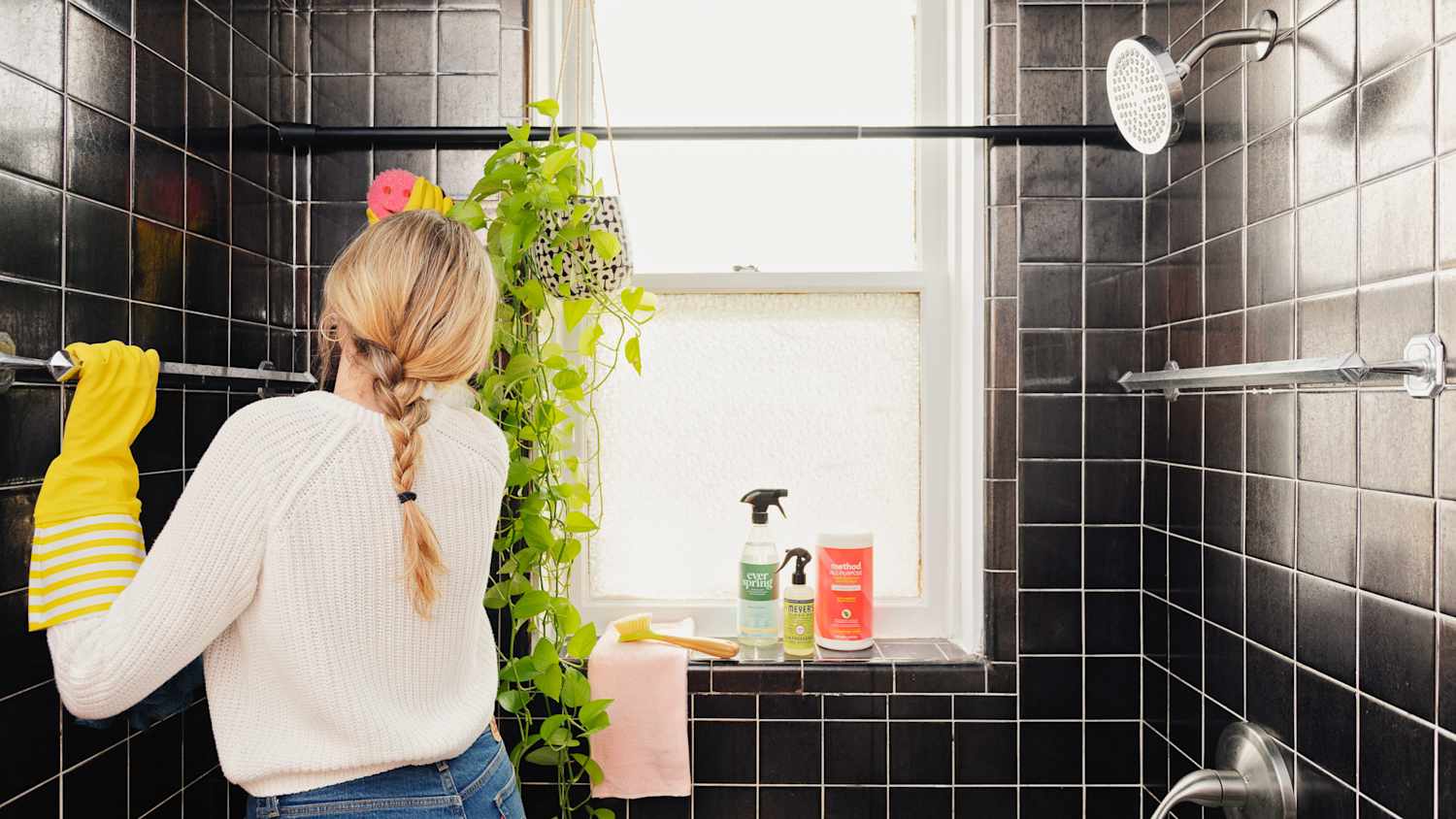
Homeowners often see mold as a surface problem. They grab bleach, spray cleaner, or scrub brushes and focus on what they can see. In many cases, the mold disappears—temporarily—which reinforces the idea that the problem is solved.
In Cocoa Beach, the coastal environment hides mold well. Humidity stays high, drying is slow, and moisture often lingers behind walls, under floors, or inside HVAC systems. Surface cleaning can mask the issue long enough for mold to keep growing out of sight.
Why Florida Homes Are Different
DIY mold advice often comes from regions with drier climates.
Brevard County homes face:
- High humidity most of the year
- Salt air and coastal moisture
- Frequent storms and wind-driven rain
- Long air-conditioning seasons
- Slab foundations that trap moisture
These conditions mean mold is almost always moisture-driven, not just surface contamination. Cleaning without moisture control rarely works here.
The Biggest Risk: Spreading Mold Instead of Removing It
One of the most common DIY mistakes is disturbing mold without containment.
Scrubbing, sanding, or tearing out moldy materials can release mold particles into the air. In homes with central air conditioning—which is most homes in Cocoa Beach—those particles can move quickly into other rooms.
This is how:
- Mold appears in multiple areas after cleanup
- Musty odors spread through the house
- Small problems become whole-home issues
DIY work often focuses on removal, but professional remediation focuses first on containment to prevent spread.
Why Bleach and Household Cleaners Don’t Solve the Problem
Bleach is one of the most commonly used DIY mold solutions—and one of the least effective in Florida homes.
Bleach may lighten mold stains on non-porous surfaces, but it does not penetrate porous materials like drywall, wood, grout, or insulation. Mold roots can remain active beneath the surface even when the stain is gone.
Bleach also adds moisture. In Cocoa Beach’s humid environment, adding moisture can actually help mold return faster and spread further.
This is why mold often comes back darker and more widespread after DIY cleaning.
Hidden Mold: What DIY Can’t See
DIY cleanup focuses on what’s visible, but many mold problems are hidden.
In Cocoa Beach homes, mold commonly grows:
- Behind drywall
- Above ceilings
- Inside HVAC air handlers or ducts
- Under flooring on slab foundations
- Inside cabinets or closets near plumbing
Without moisture meters or inspection tools, it’s nearly impossible to know whether mold is limited to what you see. Homeowners often clean visible mold while hidden growth continues unchecked.
By the time mold reappears, the problem is usually larger.
HVAC Systems and DIY Mold Risks
HVAC systems make DIY mold cleanup especially risky.
When mold is disturbed near vents, returns, or air handlers, particles can be pulled directly into the system. From there, they circulate throughout the home.
Many DIY attempts involve spraying cleaners into vents or wiping visible areas around registers. This does nothing to address mold inside the system and can spread contamination further.
In Cocoa Beach, where AC systems run most of the year, HVAC-related mold issues are one of the most common consequences of DIY cleanup.
Why DIY Often Misses the Moisture Source
Mold doesn’t grow without moisture.
DIY cleanup usually focuses on removing mold without identifying why moisture is present. Common moisture sources in Cocoa Beach homes include:
- Bathroom humidity without proper ventilation
- AC condensation and drain line issues
- Roof or window intrusion during storms
- Plumbing leaks behind walls
- High indoor humidity overall
If the moisture source isn’t corrected, mold will return—no matter how thoroughly surfaces are cleaned.
This cycle of clean–regrow–clean is a classic sign that DIY efforts are missing the real problem.
Health and Safety Concerns With DIY Mold Work
DIY mold removal also carries safety risks.
Disturbing mold in confined spaces like bathrooms, closets, or attics increases airborne particles. Without proper protection or containment, exposure can increase during cleanup rather than decrease.
Additionally, crawl spaces, attics, and behind-wall areas can be hazardous environments with poor ventilation, electrical risks, or structural issues.
Professional remediation is designed to limit exposure and control airflow during removal.
When DIY Efforts Can Complicate Insurance or Repairs
DIY cleanup can also complicate documentation.
If water damage or mold becomes part of an insurance discussion later, removing materials or cleaning without documentation may make it harder to show what happened and when.
Painting over mold or removing damaged drywall before an inspection can obscure moisture patterns and delay proper repairs.
Even outside insurance situations, DIY fixes often lead to repeated repairs instead of a single, lasting solution.
When Mold Is Too Much for DIY
Some situations clearly go beyond DIY cleanup.
These include:
- Mold returning repeatedly after cleaning
- Musty odors that persist or spread
- Mold appearing in multiple rooms
- Mold near HVAC systems or vents
- Water damage history with delayed drying
- Mold on ceilings, framing, or insulation
In these cases, DIY work usually delays resolution rather than fixing the problem.
How Professional Inspections Reduce Risk
A professional mold inspection focuses on conditions, not just visible mold.
Inspections typically include:
- Visual assessment of mold-prone areas
- Moisture meter readings in walls, floors, and ceilings
- Evaluation of HVAC systems and ventilation
- Identification of hidden moisture sources
When appropriate, air or surface samples may be collected to document mold presence, but moisture findings guide the solution.
Local professionals such as Brevard Mold Inspections & Removal emphasize explaining where moisture is coming from so homeowners understand what actually needs to change.
Why Professional Remediation Is Different
Professional mold remediation is not just “better cleaning.”
It typically involves:
- Containment to prevent spread
- Controlled removal or treatment of affected materials
- Correction of moisture sources
- Verification that conditions are dry and stable
This approach addresses both the mold and the environment that allowed it to grow. DIY methods rarely cover all of these steps.
Preventing Mold Without DIY Cleanup
Prevention is safer and more effective than DIY removal.
In Cocoa Beach homes, prevention focuses on:
- Using bathroom exhaust fans consistently
- Maintaining HVAC systems and drain lines
- Monitoring indoor humidity
- Addressing leaks promptly
- Checking attics and ceilings after storms
These steps reduce the chances of mold forming in the first place, eliminating the need for cleanup later.
Why Local Experience Matters in Cocoa Beach
DIY advice doesn’t account for local conditions.
Cocoa Beach homes face coastal humidity, salt air, frequent storms, slab foundations, and long AC run times. Local experience helps professionals recognize moisture patterns that generic advice misses.
What works in dry climates often fails here.
A Practical Takeaway for Cocoa Beach Homeowners
DIY mold cleanup in Cocoa Beach is risky—not because homeowners lack effort, but because Florida’s environment hides moisture and spreads mold easily.
Small surface mold may seem manageable, but repeated growth, musty odors, or mold near HVAC systems usually signal a deeper issue. In these cases, DIY work often spreads mold, delays proper repairs, and increases long-term costs.
If mold keeps coming back or you’re unsure where moisture is coming from, a professional inspection provides clarity. With accurate assessment and local expertise, Cocoa Beach homeowners can avoid DIY pitfalls and address mold problems the right way—once, not repeatedly.