
Mold Testing in Indian Harbour Beach: What Homeowners in Brevard County Should Know
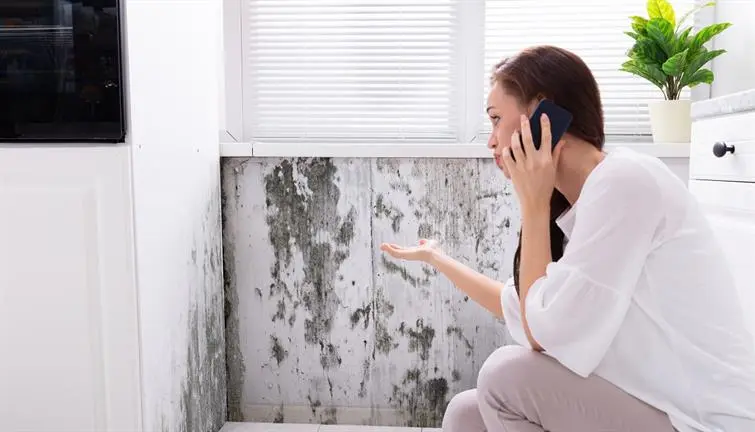
For homeowners in Indian Harbour Beach, mold testing often comes up when something just doesn’t feel right inside the home. Maybe there’s a musty smell that won’t go away. Maybe mold keeps coming back after cleaning. Or maybe there was past water damage, and you want to know what’s going on behind the scenes.
In Brevard County’s coastal environment, mold testing can be a helpful tool—but only when it’s used for the right reasons. Testing alone doesn’t solve mold problems, and it doesn’t always tell the full story. Understanding when mold testing makes sense, how it works, and how results should be interpreted helps Indian Harbour Beach homeowners avoid confusion and unnecessary worry.
What Mold Testing Actually Is
Mold testing is a way to collect information, not a diagnosis by itself.
Testing measures the presence of mold spores in the air or on surfaces at a specific point in time. It does not identify the moisture source, explain why mold is growing, or determine how to fix the issue.
In Indian Harbour Beach homes, mold testing works best as a supporting tool alongside a professional inspection. The inspection explains the conditions. The testing helps document or confirm what’s suspected.
Why Mold Testing Is Common in Indian Harbour Beach
Living close to the ocean means humidity is a constant factor.
Brevard County already has high baseline humidity, and Indian Harbour Beach adds salt air, coastal moisture, and frequent storms. Homes rely heavily on air conditioning, which creates condensation and temperature differences that can trap moisture in walls, attics, and HVAC systems.
Homeowners typically ask about mold testing after:
- Persistent musty or earthy odors
- Mold that keeps returning after cleaning
- Past roof leaks, plumbing issues, or storms
- Concerns about HVAC-related moisture
- Buying or selling a home
In many cases, testing is requested for clarity rather than because mold is clearly visible.
Types of Mold Testing Used in Homes
There are two primary types of mold testing used in residential settings.
Air sampling measures mold spores in indoor air and compares them to outdoor levels. This can help identify abnormal indoor mold conditions, especially when mold is hidden.
Surface sampling collects samples from visible growth on materials like drywall, wood, or vents. This documents the presence of mold on a specific surface.
In Indian Harbour Beach, air sampling is often used when odors are present without visible mold, while surface sampling is used to confirm what’s already been seen.
What Mold Testing Can and Cannot Tell You
This is where misunderstandings often happen.
Mold testing can:
- Document the presence of mold spores
- Help confirm suspicions of hidden mold
- Provide baseline information for real estate or insurance situations
Mold testing cannot:
- Identify the moisture source
- Determine how long mold has been present
- Predict health outcomes
- Replace a moisture inspection
Test results are only meaningful when interpreted in context.
Why Moisture Matters More Than Test Results
Mold grows because moisture is present long enough to support it.
In Indian Harbour Beach homes, moisture commonly comes from:
- AC condensation and drain line issues
- High indoor humidity
- Attic condensation
- Plumbing leaks
- Wind-driven rain during storms
Without identifying and correcting moisture, mold testing doesn’t lead to lasting solutions. You can test repeatedly and still see mold return if moisture remains.
That’s why inspections and moisture detection are usually more important than lab numbers.
When Mold Testing Is Genuinely Helpful
Mold testing is most useful in specific situations.
It often makes sense when:
- There’s a musty odor but no visible mold
- Mold is suspected behind walls or under floors
- Documentation is needed for a real estate transaction
- There’s uncertainty after water damage
- Homeowners want confirmation before or after remediation
In these cases, testing supports decision-making rather than replacing it.
When Mold Testing Is Often Unnecessary
Testing is not always needed.
If mold is clearly visible and the moisture source is obvious, testing usually doesn’t change the next step. The priority should be correcting moisture and removing affected materials.
Testing is also unnecessary for minor surface mildew on non-porous materials that resolves once humidity or ventilation is improved.
More data isn’t always better—relevant data is.
Why DIY Mold Test Kits Are Misleading
DIY mold test kits are widely sold, but they rarely provide useful guidance.
These kits often show mold growth because mold spores are naturally present everywhere—indoors and outdoors. A positive result doesn’t mean there’s a problem.
DIY kits don’t compare indoor and outdoor conditions properly, don’t evaluate moisture, and don’t reflect Florida’s naturally high background mold levels.
In Indian Harbour Beach homes, these kits frequently cause unnecessary concern without explaining what actually needs attention.
HVAC Systems and Mold Testing Results
HVAC systems play a major role in mold test results.
Air conditioning circulates air throughout the home. If mold is present inside an air handler, drain pan, or ductwork, spores may appear in air samples from multiple rooms.
This doesn’t necessarily mean mold is growing everywhere. It often points to a centralized moisture issue within the HVAC system.
That’s why HVAC evaluation is critical when interpreting mold testing results in coastal homes.
Understanding Mold Lab Reports Without Panic
Mold lab reports often list technical mold names and numbers that look intimidating.
What matters most is how indoor results compare to outdoor samples and whether findings align with inspection observations.
Elevated indoor levels may confirm hidden mold or moisture issues. Normal levels may suggest mold is localized or intermittent.
Without inspection context, lab results can be misleading.
How Professionals Use Mold Testing Properly
Professional inspectors use mold testing selectively.
Testing is chosen based on what the inspection reveals—not as a default step. Results are interpreted alongside moisture readings, building conditions, and known water events.
Local professionals such as Brevard Mold Inspections & Removal focus on explaining what test results mean for the home, not just what the lab report says.
The goal is clarity, not fear.
Mold Testing and Real Estate Transactions
In real estate situations, mold testing is often requested for documentation.
Buyers may want confirmation of indoor conditions, while sellers may want to address concerns proactively. Testing can help establish a snapshot of conditions at the time of inspection.
However, moisture findings and visible conditions usually carry more weight than mold counts alone.
Clear reporting helps reduce misunderstandings during transactions.
Mold Testing and Insurance Questions
Insurance decisions usually focus on water damage, not mold species.
Mold testing may support documentation, but coverage typically depends on the cause and timing of moisture—not lab results.
Inspection reports showing moisture sources and damage patterns are often more relevant than test numbers when insurance questions arise.
Preventing Mold Issues After Testing
Testing doesn’t prevent mold—moisture control does.
Routine HVAC maintenance helps manage humidity and condensation. Drain lines should be kept clear, filters changed regularly, and duct insulation maintained.
Bathroom exhaust fans should vent outdoors and be used consistently. Attics should have proper ventilation and sealed air pathways.
After storms, checking attics, ceilings, and areas near windows helps catch moisture early.
Monitoring indoor humidity provides early warning before mold develops.
Why Local Experience Matters in Indian Harbour Beach
Mold testing is not the same everywhere.
Indian Harbour Beach homes face coastal humidity, salt air, slab foundations, frequent storms, and long AC run times. Local experience helps professionals understand what “normal” looks like here—and when test results truly indicate a problem.
Generic interpretations often miss these regional factors.
A Practical Takeaway for Indian Harbour Beach Homeowners
Mold testing can be useful, but it’s not a cure-all.
In Indian Harbour Beach, mold issues are almost always moisture-driven. Testing works best when it supports a thorough inspection and helps confirm what’s happening inside the home.
If you’re dealing with odors, recurring mold, or uncertainty after water damage, a professional inspection can determine whether mold testing makes sense. With accurate evaluation and local expertise, homeowners can avoid confusion, focus on real solutions, and keep mold issues from becoming ongoing problems.