
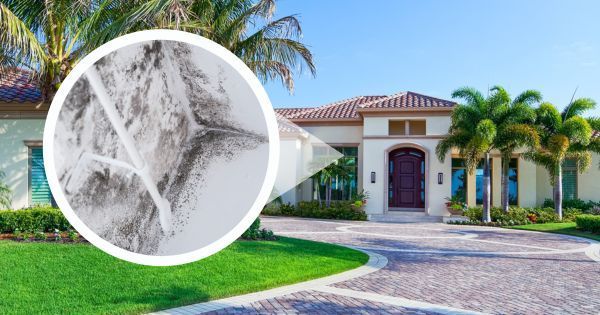
Mold Remediation in West Melbourne: What Homeowners in Brevard County Should Know
Mold remediation is often misunderstood, especially by homeowners in West Melbourne who may assume it’s just another term for cleaning. In reality, remediation is a structured process designed to stop mold growth at its source, remove affected materials safely, and prevent the problem from coming back.
In Brevard County, mold remediation is usually necessary when mold has moved beyond minor surface growth. Florida’s humidity, frequent rain, and year-round air conditioning create conditions where mold can spread quietly behind walls, above ceilings, or through HVAC systems. Understanding what proper remediation involves helps West Melbourne homeowners avoid shortcuts that lead to recurring problems.
What Mold Remediation Actually Means
Mold remediation is not about eliminating every mold spore from a home—that’s impossible.
Mold spores are naturally present in outdoor and indoor air, especially in Florida. The purpose of remediation is to:
- Remove active mold growth
- Address contaminated materials
- Control and correct moisture sources
- Restore normal indoor conditions
In West Melbourne homes, remediation is successful only when moisture is fully addressed. Without moisture control, mold will return no matter how thorough the cleanup appears.
Why Mold Remediation Is Common in West Melbourne
Brevard County experiences high humidity most of the year, and West Melbourne homes are no exception. Even newer construction can develop mold if moisture is allowed to linger.
Common local factors include:
- High indoor humidity
- AC condensation and drain line issues
- Bathroom and kitchen moisture
- Attic condensation
- Plumbing leaks inside walls
- Storm-related water intrusion
Mold often develops slowly under these conditions, which is why remediation is frequently needed long after the original moisture problem occurred.
When Mold Removal Turns Into Mold Remediation
Not all mold situations require full remediation.
Simple surface mold on non-porous materials can sometimes be addressed by improving ventilation and reducing humidity. Remediation is typically needed when:
- Mold keeps returning after cleaning
- Mold is growing on porous materials like drywall or insulation
- Mold is present in hidden areas
- Musty odors persist
- Moisture is ongoing or recurring
In these cases, cleaning alone is not enough.
Where Mold Commonly Requires Remediation
Certain areas of West Melbourne homes frequently require remediation.
Bathrooms are a common starting point. Repeated humidity from showers can allow moisture to seep into ceilings or walls, leading to mold beyond surface areas.
Attics are another major location. Warm, humid air rises and condenses on roof decking and trusses, especially when ventilation is inadequate or bathroom fans vent into the attic.
HVAC systems are also involved in many remediation projects. Condensation leaks, clogged drain lines, or damaged duct insulation can spread moisture—and mold—throughout the home.
Behind walls, under flooring on slab foundations, and inside cabinets near plumbing are other frequent remediation areas.
Why Mold Spreads Without Being Seen
One of the challenges with mold is that it often spreads invisibly.
Mold grows best in dark, undisturbed spaces where moisture lingers. Wall cavities, attics, and HVAC systems provide ideal conditions.
By the time visible mold appears, growth may already be extensive behind the scenes. This is why remediation often involves opening walls or removing materials homeowners didn’t realize were affected.
What Proper Mold Remediation Involves
Professional remediation follows a clear process.
First, affected areas are evaluated to determine the extent of growth and identify moisture sources. Containment is then established to prevent mold particles from spreading to unaffected areas during removal.
Porous materials with mold growth—such as drywall, insulation, or carpeting—are typically removed and discarded. Semi-porous or non-porous materials may be cleaned or treated depending on conditions.
Moisture sources are corrected as part of the process. This may include repairing leaks, improving ventilation, servicing HVAC systems, or addressing humidity issues.
The area is then dried thoroughly to ensure conditions no longer support mold growth.
Why DIY Remediation Often Fails
DIY mold remediation attempts usually focus on visible mold.
Scrubbing or spraying without containment can release mold particles into the air. In homes with central air conditioning, those particles can spread throughout the house.
DIY efforts also rarely address hidden mold or underlying moisture sources. This leads to repeated mold growth and escalating costs over time.
In West Melbourne’s humid environment, partial fixes almost always result in recurrence.
The Role of Mold Inspections Before Remediation
A professional mold inspection helps determine whether remediation is needed and how extensive it should be.
Inspections focus on:
- Identifying moisture sources
- Evaluating hidden areas like attics and wall cavities
- Measuring moisture levels in materials
- Assessing HVAC systems and ventilation
When appropriate, air or surface samples may be collected to document mold presence, but moisture findings guide remediation decisions.
Local professionals such as Brevard Mold Inspections & Removal emphasize identifying conditions specific to West Melbourne homes rather than assuming one-size-fits-all solutions.
Mold Remediation and Home Repairs
Mold remediation often overlaps with home repairs.
Removing moldy drywall or insulation may require reconstruction after remediation is complete. This step is important to restore the home and ensure no contaminated materials remain.
Rushing repairs before moisture issues are resolved can trap moisture and lead to new mold growth.
Proper sequencing—remediation first, repairs second—is essential.
How Remediation Improves Indoor Conditions
Homeowners often notice immediate improvements after proper remediation.
Common changes include:
- Reduced musty odors
- Improved indoor air freshness
- Lower indoor humidity
- Fewer recurring mold spots
These improvements usually indicate that moisture has been brought under control, not just that mold was removed.
Preventing Mold After Remediation
Prevention is a critical part of long-term success.
In West Melbourne homes, prevention often includes:
- Regular HVAC maintenance
- Keeping condensate drain lines clear
- Using bathroom exhaust fans consistently
- Ensuring fans vent outdoors
- Monitoring indoor humidity
- Checking attics and ceilings after storms
Small, consistent habits help keep moisture from building up again.
Why Local Experience Matters in West Melbourne
Mold remediation is highly dependent on climate and construction.
West Melbourne homes face Florida humidity, slab foundations, long cooling seasons, and frequent storms. Local experience helps professionals understand where moisture hides and which remediation strategies actually last in Brevard County.
Generic remediation approaches often fail when they don’t account for these regional factors.
A Practical Takeaway for West Melbourne Homeowners
Mold remediation in West Melbourne is about stopping mold at its source, not just removing what you can see.
If mold keeps coming back, spreads, or is tied to hidden moisture, remediation is often the most effective path forward. Addressing moisture, removing affected materials properly, and preventing recurrence protects both the home and indoor comfort.
If you’re unsure whether mold in your home requires remediation, a professional inspection can provide clarity. With accurate evaluation and local expertise, mold remediation becomes a controlled, manageable process—not an ongoing struggle—for Brevard County homeowners.