
Mold FAQs in Merritt Island: What Homeowners in Brevard County Should Know
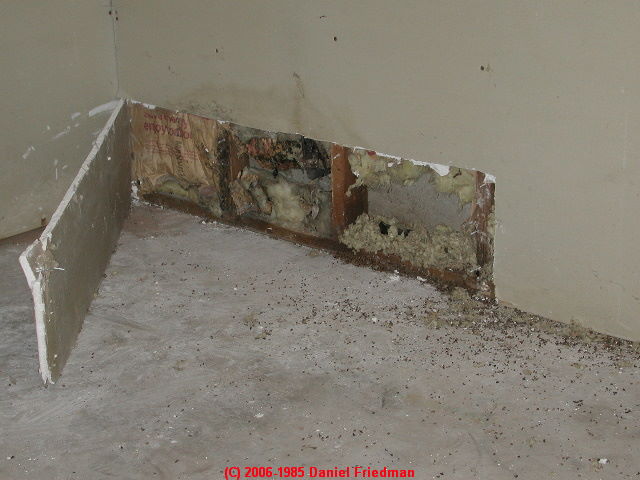
Mold is one of the most common — and most misunderstood — problems facing homeowners in Merritt Island and throughout Brevard County. Thanks to coastal humidity, frequent rain, high water tables, and warm temperatures year-round, mold growth is almost unavoidable if moisture isn’t carefully controlled.
Homeowners often have the same questions when they spot mold or smell something musty: Is this dangerous? Do I need testing? Will insurance cover it? Can I clean it myself?
Below are clear, straightforward answers to the most frequently asked mold questions Merritt Island homeowners have — written to help you protect your home, your health, and your wallet.
What Is Mold and Why Is It So Common in Merritt Island?
Mold is a type of fungus that grows wherever moisture and organic material are present. In Merritt Island, mold is common because of:
- High year-round humidity
- Coastal and lagoon moisture
- Frequent rain and storms
- Poor ventilation in older homes
- Condensation from AC systems
- Slab construction and crawl spaces
Mold spores exist naturally in the air. The problem starts when indoor moisture allows those spores to grow indoors.
Is Mold Dangerous to My Health?
Mold affects people differently. Some homeowners may not notice symptoms right away, while others experience problems quickly.
Common health effects include:
- Sneezing or coughing
- Nasal congestion
- Eye irritation
- Skin rashes
- Headaches
- Worsened asthma or allergies
Children, seniors, and people with respiratory conditions are often more sensitive. Long-term exposure can increase health risks, especially when mold is hidden and spreading unnoticed.
How Can I Tell If I Have Mold in My Home?
Not all mold is visible. Common warning signs include:
- Musty or earthy odors
- Water stains on walls or ceilings
- Peeling paint or bubbling drywall
- Persistent allergy symptoms indoors
- Mold around windows, vents, or bathrooms
- Warped floors or baseboards
In Merritt Island homes, mold frequently hides behind walls, under flooring, in attics, and inside HVAC systems.
Is All Mold Black Mold?
No. Mold comes in many colors, including white, green, gray, brown, and black.
“Black mold” is a term often used for certain species that can produce toxins, but color alone does not determine danger. Only professional testing can identify the type of mold present.
The real concern isn’t the color — it’s how much mold is present and where it’s growing.
Can I Clean Mold Myself?
Small surface mold on non-porous materials may appear manageable, but DIY mold cleaning carries risks.
Common DIY mistakes include:
- Using bleach on porous surfaces
- Scrubbing without containment
- Spreading spores through the air
- Ignoring hidden moisture sources
In Brevard County’s humid climate, DIY cleanup often results in mold returning quickly or spreading further.
If mold keeps coming back, covers more than a small area, or follows water damage, professional help is strongly recommended.
Does Bleach Kill Mold?
Bleach may remove surface stains, but it does not kill mold roots inside porous materials like drywall, wood, insulation, or carpet.
In fact, bleach contains water — which can actually feed mold growth inside porous surfaces. This is why mold often reappears after bleach cleaning in Florida homes.
Do I Need Mold Testing?
Mold testing can be helpful when:
- Mold is suspected but not visible
- Health symptoms are unexplained
- A real estate transaction is involved
- Insurance documentation is needed
- You want to confirm successful remediation
Testing can identify airborne spores, hidden mold, and contamination levels — information that visual inspection alone can’t provide.
Will My Homeowners Insurance Cover Mold?
Insurance coverage depends on what caused the mold.
Mold may be covered if it results from a sudden, accidental event such as:
- A burst pipe
- Storm or roof damage
- AC overflow
Mold is usually not covered if caused by:
- Long-term leaks
- High humidity
- Poor maintenance
- Gradual water intrusion
Prompt reporting and documentation are critical for any potential claim.
How Fast Does Mold Grow in Merritt Island Homes?
Under the right conditions, mold can begin growing within 24 to 48 hours after moisture appears.
With Merritt Island’s humidity, mold spreads faster than many homeowners expect — especially after storms, plumbing leaks, or AC issues.
Where Is Mold Most Commonly Found?
In Merritt Island homes, mold commonly grows in:
- Bathrooms and showers
- Laundry rooms
- Kitchens
- Attics
- Closets on exterior walls
- Around windows and doors
- HVAC systems and ductwork
- Under flooring
Hidden mold is often more damaging than visible mold.
What Happens If Mold Is Left Untreated?
Ignoring mold can lead to:
- Worsening health symptoms
- Structural damage
- Odor problems
- Reduced property value
- More expensive repairs later
Mold feeds on building materials and spreads silently when moisture remains.
How Can I Prevent Mold in My Merritt Island Home?
While mold can’t be eliminated entirely, you can reduce risk by:
- Running dehumidifiers year-round
- Keeping AC running consistently
- Fixing leaks immediately
- Using exhaust fans in bathrooms and kitchens
- Inspecting roofs after storms
- Maintaining HVAC systems
- Keeping indoor humidity below 55%
Prevention is especially important in coastal and lagoon-adjacent homes.
When Should I Call a Professional?
You should seek professional help if:
- Mold keeps returning
- You smell mold but can’t see it
- The affected area is larger than a few square feet
- Mold followed water damage or flooding
- Health symptoms worsen indoors
- You’re buying or selling a home
Early action can prevent widespread contamination and costly repairs.
Conclusion
Mold is a common issue for homeowners in Merritt Island and Brevard County, but it doesn’t have to become a major problem. Understanding how mold grows, where it hides, and when to act can help protect your home, your health, and your finances.
When in doubt, don’t guess — mold problems are easier and less expensive to address early than after they spread.