
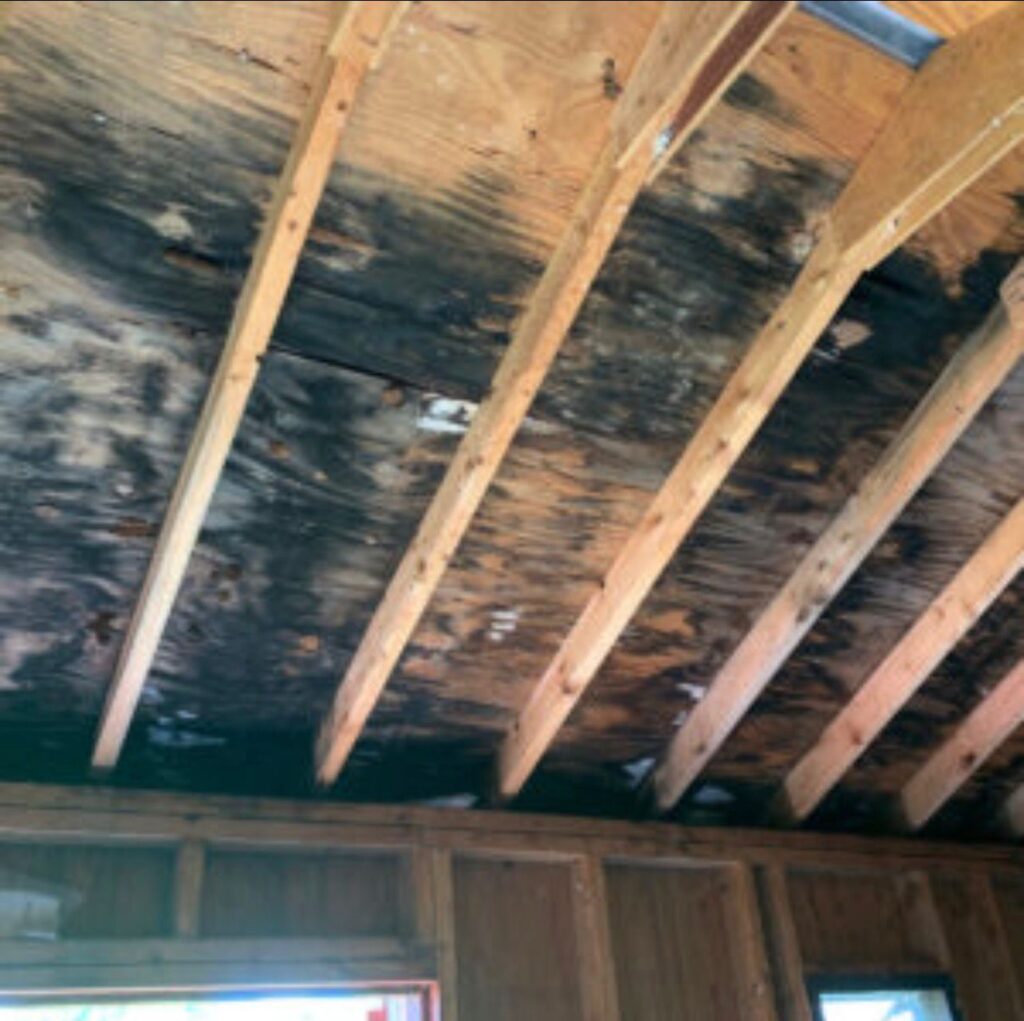
Mold in Attics in Cocoa Beach: What Homeowners in Brevard County Should KnowAttics are out of sight — and that’s exactly why mold problems there can get bad, ugly, and expensive before you even realize something’s wrong. In a humid, coastal climate like Cocoa Beach and greater Brevard County, moisture is everywhere. Combine that with high humidity, salty sea air, and long, hot summers, and you’ve got the ideal environment for mold to thrive.This deep-dive guide explains exactly what attic mold is, why it happens here, how to spot it early, and — most importantly — what to DO about it before it ruins your insulation, wood framing, and indoor air quality.⸻Why Attics in Cocoa Beach Are So Susceptible to MoldMold needs three main things to grow: 1. Moisture 2. Organic material (wood, insulation, paper) 3. Warm temperaturesIn Cocoa Beach and Brevard County, the first and third items are basically guaranteed year-round:🌴 Constant High Humidity • Florida’s humidity regularly stays above 70%, especially near the beach. • Warm, moist air naturally rises into the attic unless it’s properly sealed or ventilated.☀️ Warm Temperatures • Your attic easily gets hotter than the outside air, which speeds up moisture build-up and mold growth. • Unlike northern climates where attics can dry out in winter, here they rarely get a full drying cycle.🔄 Air Leaks from Living SpacesMoisture often travels from laundry rooms, bathrooms, kitchens, or poorly sealed ceilings into the attic. Once that warm, humid air hits cooler surfaces like roof sheathing, condensation forms — and condensation is mold’s best friend.⸻Common Signs of Attic MoldMold doesn’t always look like the fuzzy black stuff you see in movies. In attics, it can be subtle. Here’s what to look for:🔍 Visual Clues • Dark/black streaks or splotches on wood framing or roof sheathing • White powdery patches that look like dust (this can be mold spores too) • Mold on insulation paper facing • Mold near roof penetrations like plumbing vents, chimneys, or HVAC ducts👃 Smells • A musty odor in upstairs rooms, closets, or even in the attic hatch itself often signals mold.💧 Water Marks or Stains • Brown or yellow water stains indicate long-term moisture issues — prime conditions for mold.❄️ Insulation Issues • Compressed, damp insulation that feels heavy or clumps together • Loss of loft or fluffy texture⸻What Causes Mold in Attics in Brevard CountyThere’s no single cause, but a combination of these is typical:🏠 Poor VentilationAttics need airflow from soffits up to ridge vents or gable vents. Without it, warm, humid air gets trapped, creating condensation on cooler surfaces.💦 Air Leaks from the Living SpaceGaps around lights, attic hatches, recessed fixtures, and ductwork let moist air escape upward.🛠 Roof and Flashing LeaksEven small roof leaks from damaged shingles or failed flashing can drip moisture into attic spaces.❄️ HVAC in the AtticIf ductwork isn’t properly sealed or insulated, condensation forms on cool air ducts, dripping onto insulation and wood.⸻Why You Should Take Attic Mold SeriouslyMold in the attic isn’t just an eyesore — it’s a structural and health risk:🪵 Structural DamageMold digests organic material, including wood framing and paper insulation facers. Given enough time, this weakens structural integrity, which means costly repairs.🌫 Poor Indoor Air QualityMold spores travel. Even if the mold is in your attic, spores can circulate into living spaces through the HVAC system or ceiling leaks, contributing to: • Allergies and asthma flare-ups • Coughing, congestion, headaches • Eye irritation💸 Reduced Home ValueVisible attic mold can hurt resale value, especially when inspectors find it during a home sale.⸻DIY Steps You Can Take (Carefully!)Before calling in professionals, there are some things you can check or improve safely:🔹 Improve attic ventilation • Make sure soffit vents aren’t blocked by insulation • Ridge vents should be clear of debris • Cross-ventilation boosts moisture removal🔹 Seal air leaks • Use spray foam or caulk around penetrations like lights, plumbing stacks, and attic hatches🔹 Check insulation • Replace wet, compressed insulation • Add insulation to recommended levels without blocking vents⚠️ Do not power-wash or spray bleach on mold — this can spread spores and damage materials. Mold removal in attics is not like cleaning a bathroom wall.⸻When You Should Call a ProfessionalIf any of these apply, it’s time to bring in a mold remediation expert: • Extensive mold coverage (>10 sq. ft.) • Active roof leaks • Insulation soaked or moldy • Mold deep in wood framing • Mold returns after DIY attemptsProfessionals will:✔ Identify moisture sources✔ Test mold types if needed✔ Remove mold safely✔ Repair structural or ventilation issuesThey’ll also help prevent regrowth, not just clean the surface.⸻How Pros Fix Attic Mold in Brevard CountyHere’s what a typical professional mold remediation process looks like in this climate:1. Inspection & Moisture MappingTechnicians find all moisture sources — not just visible mold — using moisture meters and thermal imaging.2. Containment & Air FiltrationThe area is isolated to prevent spores from spreading into living spaces. HEPA filters clean the air.3. Mold RemovalMoldy materials that can’t be salvaged (like insulation) are removed. Surfaces are treated with safe, EPA-approved solutions.4. Drying & Ventilation CorrectionDehumidifiers, improved vents, and sealing fixes ensure the attic dries properly after treatment.5. Follow-Up ChecksSome companies offer return visits to make sure humidity and mold levels stay low.⸻Preventing Attic Mold in Cocoa BeachThe best strategy is prevention. Here’s how to keep mold away:🛠 Seal and Insulate Right • Air-seal penetrations • Insulate without blocking vents🌀 Keep It Ventilated • Ensure balanced intake (soffits) and exhaust (ridge/gable vents)💡 Monitor Moisture • Watch for condensation or “sweaty” attic surfaces • Consider an attic dehumidifier if humidity stays high📅 Routine Seasonal ChecksAt least once a year, walk your attic or have a pro check it — especially after heavy storms or hurricane season.⸻Final Thoughts: Don’t Ignore Attic MoldMold in your attic may start out hidden, but it rarely stays that way. In Cocoa Beach and all of Brevard County’s humid coastal climate, early detection and prevention are the keys to protecting your home’s structure and your family’s health.If you suspect mold or just want peace of mind, inspect your attic — or schedule a professional assessment. In this climate, waiting only makes it worse (and more expensive).Would you like a simple attic inspection checklist you can use today — step-by-step and printable? Just ask!